
The Story
Why it exists.
The beginning
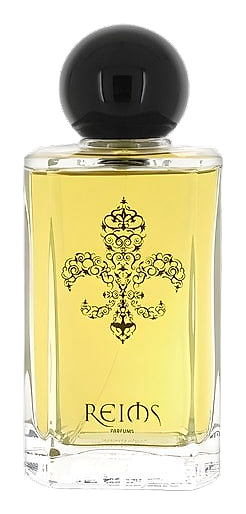
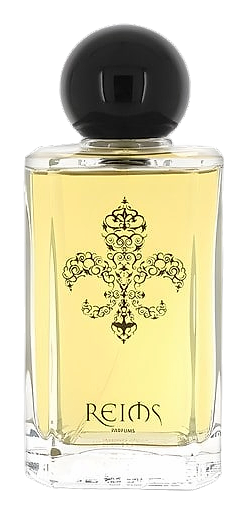
L'Eau des Sacres is a composition by Bertrand Duchaufour, who signed the formula as part of his work for the house of Reims. The scent draws on materials with centuries of presence in Western perfumery, ingredients that carry weight without spectacle. What sets Sacres apart in the Reims catalog is its willingness to hold restraint at the top and let richer materials do the talking once the first impression settles. Duchaufour's hand shows in the way the structure moves, favoring a cool, aromatic opening that deepens into something warmer and more resinous as the hours pass. The house has released other compositions in the same vein, like L'Eau Gothique and L'Eau de Reims, but Sacres holds a particular gravity within the lineup.
What makes the structure unusual is the conversation between top and base. Lavender and pink pepper arrive with a clean, almost monastic clarity, the kind of opening that signals restraint. Then the composition turns slowly toward honey and tonka, materials more associated with indulgence than ritual. The heart of frankincense and iris pulls the two halves into agreement, giving the resin a powdery, suede-like softness that keeps the indulgence from tipping into excess.
The evolution
The first ten minutes belong to lavender and pink pepper, with a cold, slightly mentholated lift that reads cleaner than expected. Frankincense enters fast, lemony and resinous, and the iris underneath gives the whole opening a powdery, suede-like softness that prevents it from feeling austere. By the thirty-minute mark, rose and orange blossom arrive, but they show up muted, almost whispered behind the resins. Around the two-hour point the honey becomes the center of gravity, sticky and golden, pulled into focus by tonka and warmed from below by sandalwood. The ambergris anchors everything in the final hours, giving the drydown a mineral, skin-like depth rather than a flat sweetness.
Cultural impact
L'Eau des Sacres reads as a continuation of a particular current in contemporary perfumery, one where classical materials are arranged with restraint rather than abundance. Wearers drawn to incense-driven florals, the slow unfurling of resin over hours, and the kind of drydown that pulls closer to the skin as the day goes on tend to find something to admire here. The piece does not behave like a trend statement. It behaves like a wardrobe piece, the kind of fragrance a wearer reaches for when they want something considered rather than decorative.