The Story
Why it exists.
The beginning
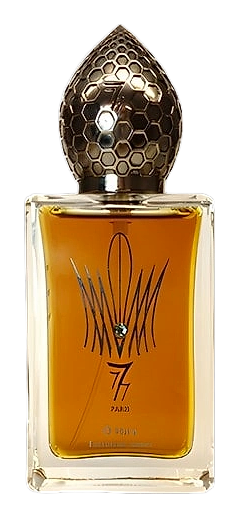
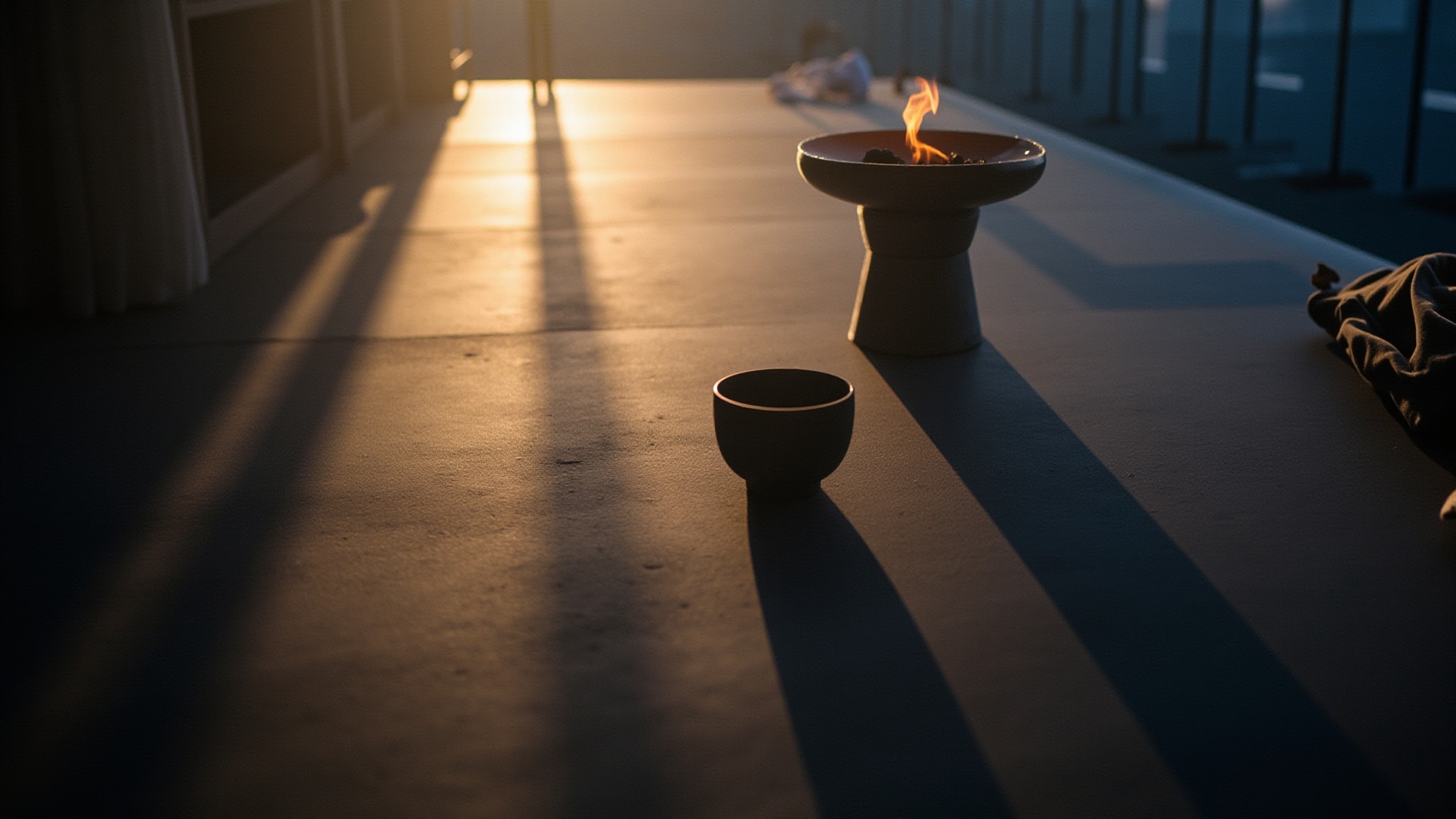
Bertrand Duchaufour approached this composition with a particular atmospheric sensibility, drawing on elements that accumulate over extended periods of time. The way light filters through spaces, the way certain materials absorb and retain traces of their environment, these become the raw material for something olfactory. The smell of incense, for instance, does not simply exist in a space but becomes embedded in surfaces, in fabrics, in the very texture of walls that have witnessed countless burnings. Duchaufour translated that sense of accumulated presence into the final scent, creating a fragrance with an inherent sense of weight and drama. The composition achieves something that makes the wearer acutely aware of scale, of time passing, of spaces that dwarf the individual.
What makes this composition unusual is the pairing of cool, almost medicinal iris with warm, sacred frankincense. Here, the bergamot and coriander open bright and slightly sour, with the coriander adding a faint herbal spice that lifts the citrus into something more complex. Then the iris arrives, powdery and ghostly, with a violet-like quality that seems to float above the other notes rather than blend into them. The carnation adds its strange, slightly indolic floral note, creating a duality that is simultaneously floral and something more challenging.
The evolution
It starts bright. Bergamot and coriander announce themselves with a citric sharpness that feels almost clinical, cold air meeting warm skin for the first time. Thirty minutes in, the frankincense arrives, and the temperature changes. Iris and carnation bloom beneath it, adding a powdery, slightly bitter floral layer that reads as ghostly rather than pretty. The overall effect is incense in a space that hasn't seen sunlight in centuries. By the second hour, the drydown asserts itself. Ambergris brings its marine-animalic warmth, benzoin adds honeyed resin, and the woody base, patchouli, cedar, sandalwood, settles close to the skin. The incense doesn't disappear. It deepens, becoming less ceremonial and more intimate, like the smell of walls that have absorbed centuries of prayer. On fabric, this lingers into the next day: a faint warmth, wood and amber, the ghost of something sacred.
Cultural impact
L'Eau Gothique occupies a distinctive space within niche perfumery, working primarily in the incense-resinous register with an atmospheric quality that sets it apart. Wearers who connect with this fragrance often describe it in terms of mood and sensory impression rather than listing individual notes, speaking instead about the overall feeling the scent creates. The iris-carnation combination in the heart phase generates strong reactions, with its slightly medicinal quality and indolic character challenging expectations of what incense fragrances should offer.