The Story
Why it exists.
The beginning
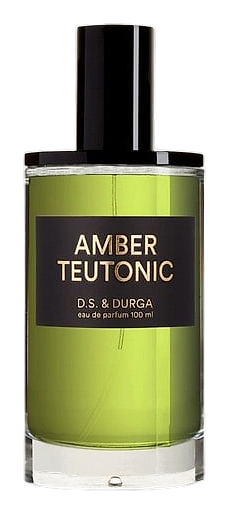
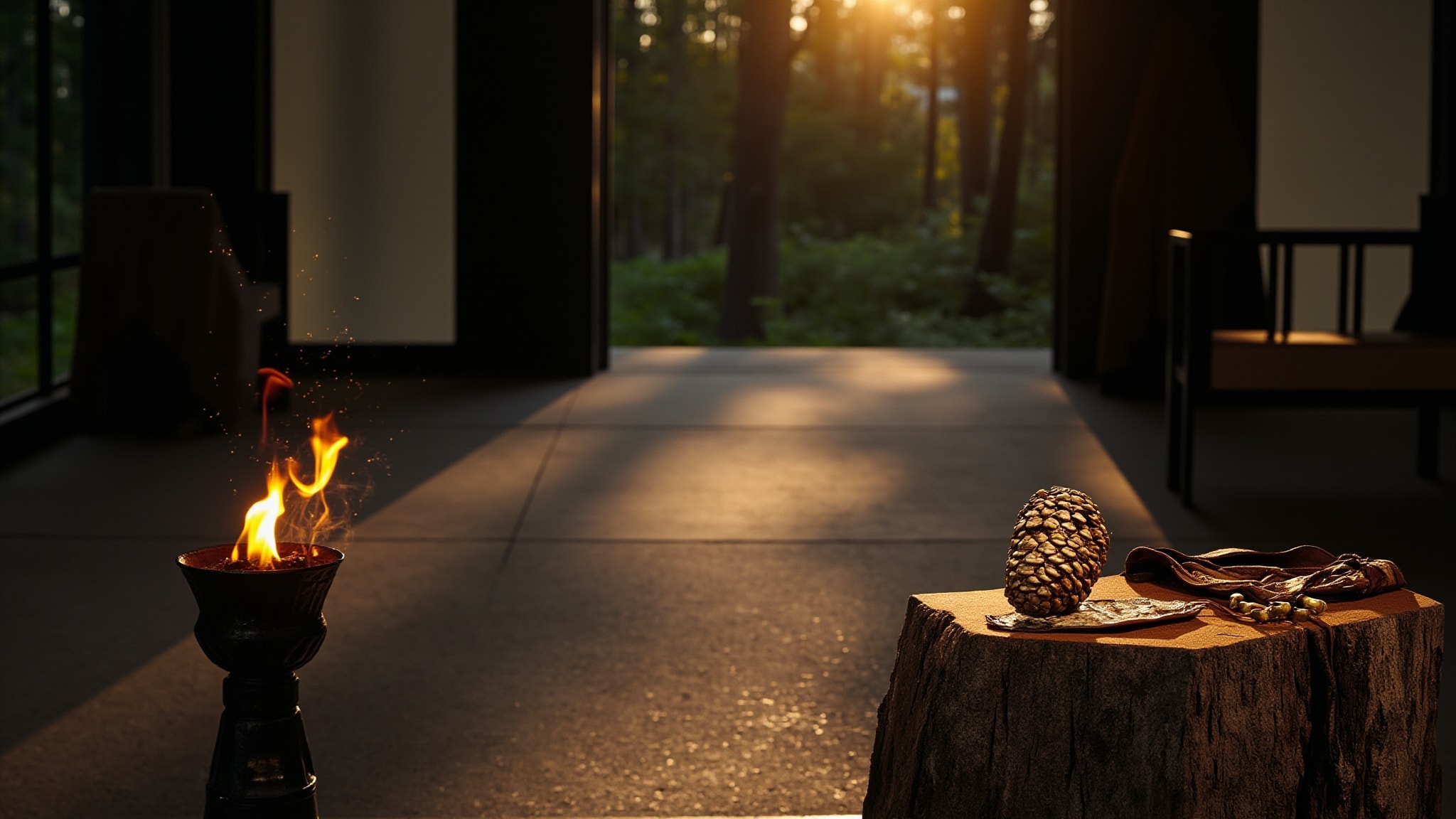
Amber Teutonic is named for the forest. Specifically, the Austrian Alps, one of Gustav Mahler's composing huts, where he wrestled the Fifth composition into existence. The search results cite the connection directly: a perfume imagining of the space where Mahler worked, all grandeur and unorthodox complexity. The Teutonic reference isn't decoration. D.S. Durga names their references precisely. This isn't 'inspired by nature' copy, it's a direct address to a mountain range, a composer, a specific hut. Mahler composed the Fifth in that Alpine forest, and the forest made it into the fragrance. Cold conifer air. Templin cone. The smell of a workspace carved into the trees.
Amber Teutonic takes a material that's usually warm and sweet, amber, resinous and balsamic by definition, and anchors it to something cooler. The conifer backbone doesn't complement the amber. It competes with it. The forest notes here aren't decorative pine. They're structural. Alpine cedar opens bright and sharp. Silver fir and European larch build a canopy that lasts through the heart. European black pine doesn't soften the forest, it deepens it. Opoponax is the pivot: warm, sweet-balsamic, but threaded through with the aromatic coolness of the conifer. Geranium adds a green-floral quality that keeps the heart from becoming a Christmas-tree accord.
The evolution
The opening arrives fast. Alpine cedar hits the skin with immediate, bright aromatics, cold air on pine needles, a bracing sharpness. Cardamom follows with its clean, slightly citrus spice. Green mandarin is the fleeting top note, a zippy flash of citrus that vanishes before the conifer settles in. Around the 30-minute mark, the heart takes over. Silver fir and European larch create the canopy, dense, green, slightly metallic from the geranium threading through. This is where the fragrance earns its name. Not a candle pine. Not a cleaning-product conifer. The actual smell of a forest with altitude. The drydown is where the amber earns its place. European black pine stays, the conifer structure holds through the end. But opoponax brings warmth, sweet-balsamic resin softening the sharp edges, and musk wraps it in something close to skin. The sillage is moderate throughout, but the longevity is real. Eight to ten hours, and the amber-opoponax drydown stays close. On fabric, it lingers until the next morning.
Cultural impact
Amber Teutonic divides opinion fiercely. Some enthusiasts find its realistic evergreen character utterly compelling, a cold-altitude forest captured in a bottle, while others recoil from its sharp, almost medicinal conifer intensity. This polarizing quality has earned it a fiercely loyal following, cherished by those who crave authenticity over comfort, and it remains a touchstone for fans of bold, non-mainstream fragrance artistry.