European Larch
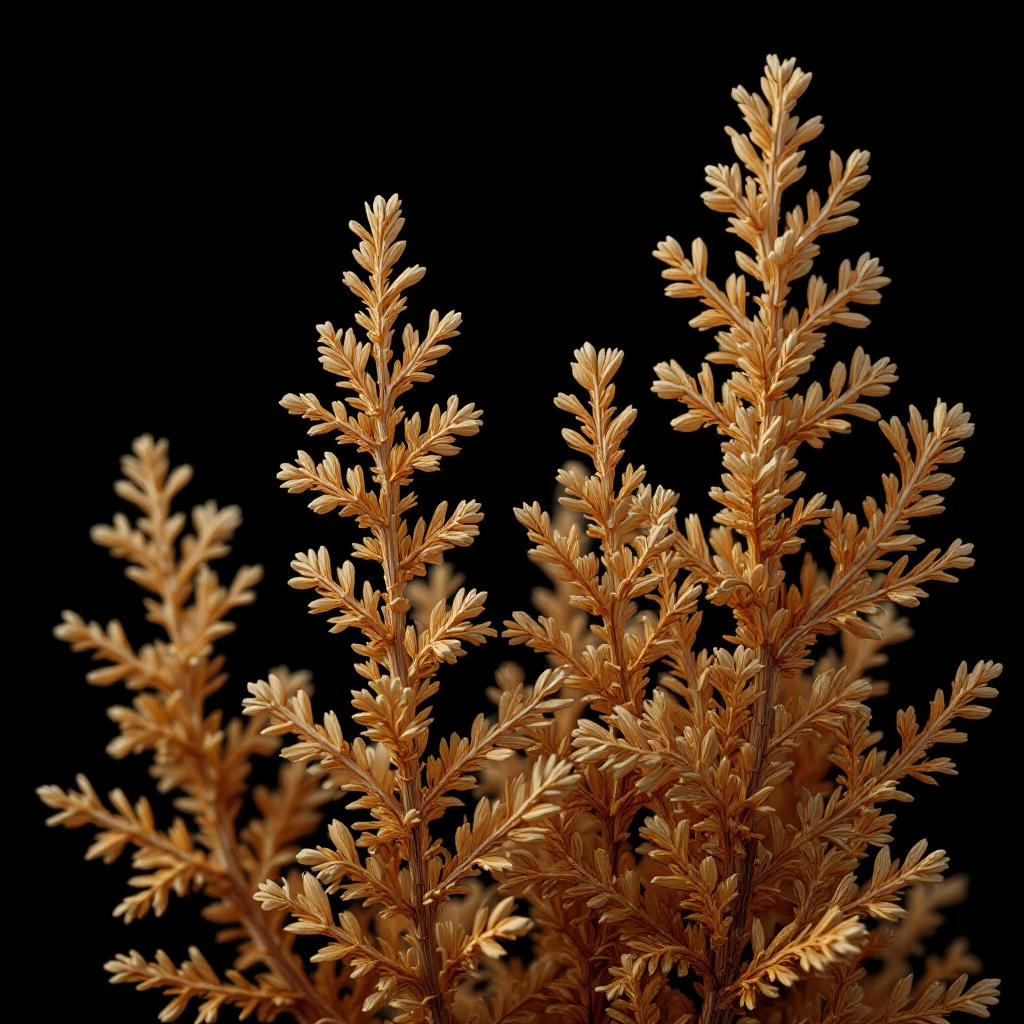
European Larch delivers a crisp, balsamic whisper of Alpine forests to perfumery, its essential oil capturing the sunlit resin and needle-fresh air of mountain conifers.
Character
How it smells
Alpine clarity in a bottle.
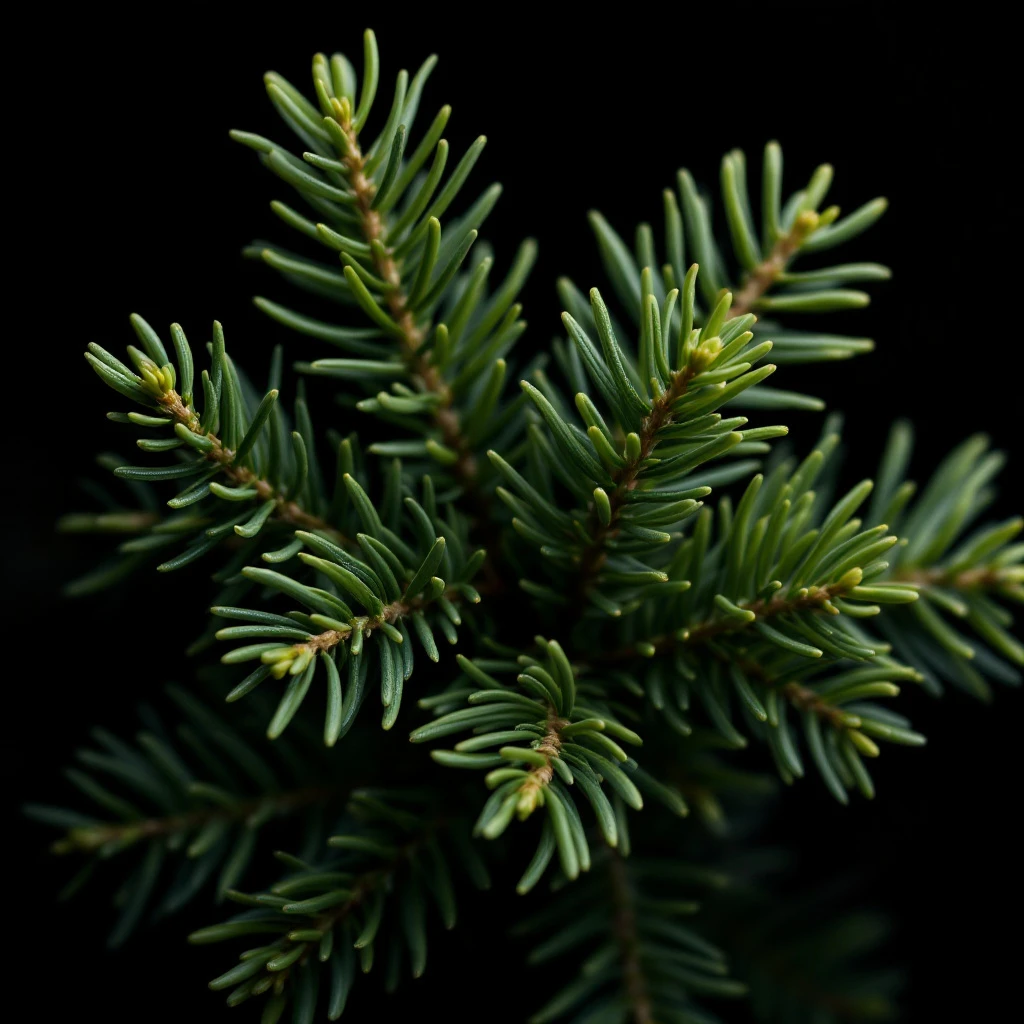
Larch is one of Europe's few deciduous conifers, dropping its needles each autumn before a snow-fresh return in spring.

Origin
Austria
European Larch has long occupied the borderlands between practical and aromatic use in Alpine cultures. Venetian merchants traded a resinous product called Venice turpentine, derived from Larix decidua, as a fixative and medicinal preparation across medieval Europe.
The tree itself was sacred in some Alpine traditions, valued for its resilience at extreme elevations where few other trees survive. Nineteenth-century perfumers began systematically exploring conifer needle oils as fragrance materials, drawn to their fresh, green character that mimicked the crisp air of mountain forests.
Today, European Larch remains a relatively rare perfumery ingredient, prized by artisans seeking authentic conifer notes that synthetic approximations cannot fully replicate. Its use signals a commitment to botanical sourcing and the olfactory heritage of European highland landscapes.
Wears it best
Fragrances featuring European Larch
Brands
Brands known for European Larch
Good to know
Questions, answered
The essentials on European Larch in perfumery: how it smells, where it comes from, and how it behaves on skin.
What does European Larch smell like?
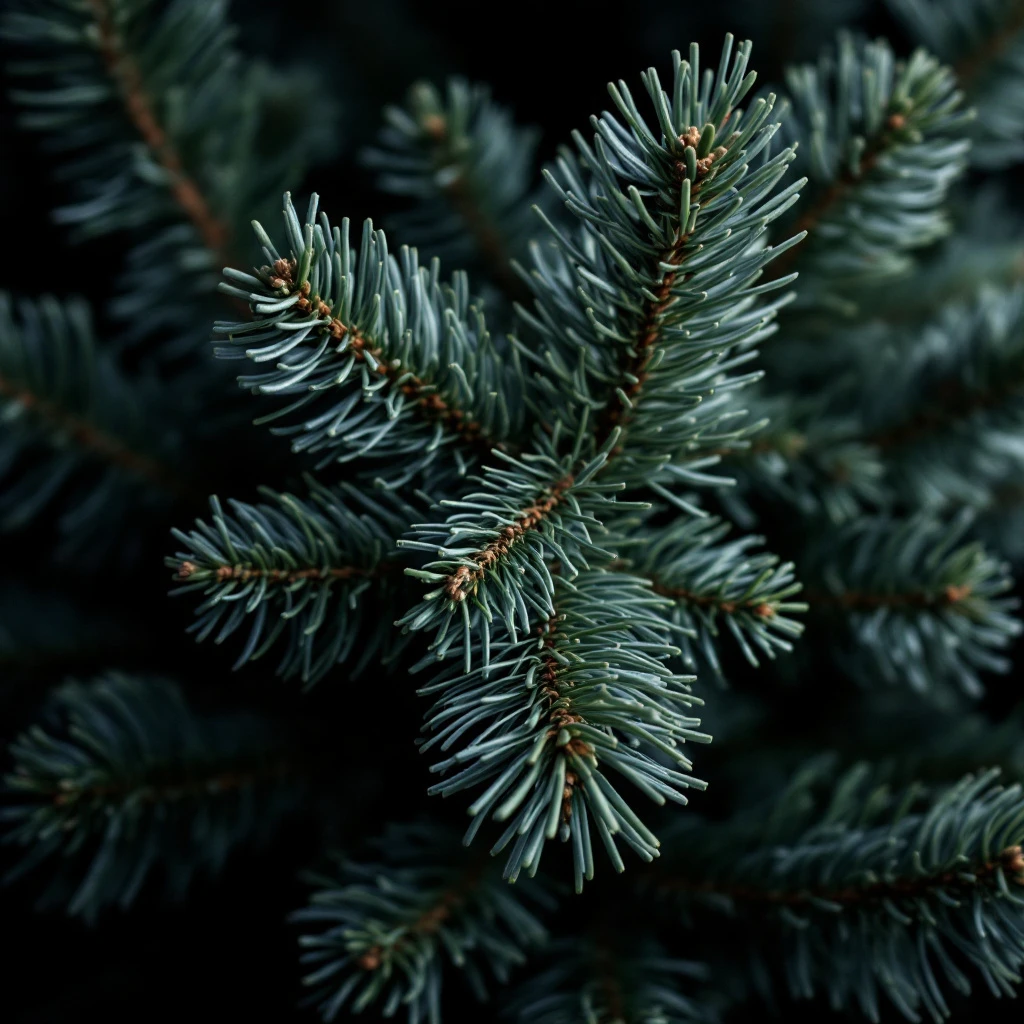
European Larch opens with a sharp, turpentine-like freshness followed by warm, balsamic undertones. The scent evokes standing among Alpine conifers on a sunlit afternoon, combining crisp needle air with subtle resinous depth. It works as a bridge between citrus freshness and woodsy warmth.
Is European Larch commonly used in perfumery?
European Larch appears less frequently than fir or pine in commercial fragrances but holds a dedicated place among natural perfumers. Its unique balance of sharpness and warmth makes it a特种 character ingredient when authentic conifer effects are desired.
What are the primary chemical constituents of European Larch oil?
The oil is dominated by monoterpenes, with alpha-pinene typically comprising 60-70% of the composition. Beta-pinene and limonene contribute the characteristic fresh, citrusy-woody character, while smaller quantities of sesquiterpenes add balsamic depth.
Can European Larch oil be synthesized artificially?
Individual constituents like alpha-pinene are commercially synthesized, but no artificial reconstruction captures the full complexity of natural European Larch oil. The synergy between multiple compounds in the natural extract produces effects that isolated molecules cannot achieve.
What type of fragrances pair well with European Larch?
European Larch complements other conifer materials such as cedarwood and cypress, as well as herbal notes like lavender and clary sage. It adds authenticity to masculine, fougère, and aromatic compositions, while pairing unexpectedly well with bright citrus and green tea accords.
Is European Larch oil sustainable to harvest?
European Larch grows abundantly across Alpine regions with responsible forestry practices in place. Essential oil production typically utilizes pruning waste and branch material rather than harvesting whole trees, making it a relatively sustainable botanical extract when sourced from managed forests.
How should European Larch oil be stored?
Store European Larch oil in dark glass bottles away from heat and light. Like most monoterpene-rich essential oils, it oxidizes relatively quickly when exposed to air. Sealing containers immediately after use and refrigerating can extend shelf life to approximately two years.
Where does European Larch grow naturally?
European Larch grows at elevations between 1,000 and 2,500 meters in the Alps and Carpathians. The harsh, cold conditions at these altitudes concentrate aromatic compounds in the needles, producing oil with a more intense and complex fragrance profile than lower-elevation conifer species.




