European black pine
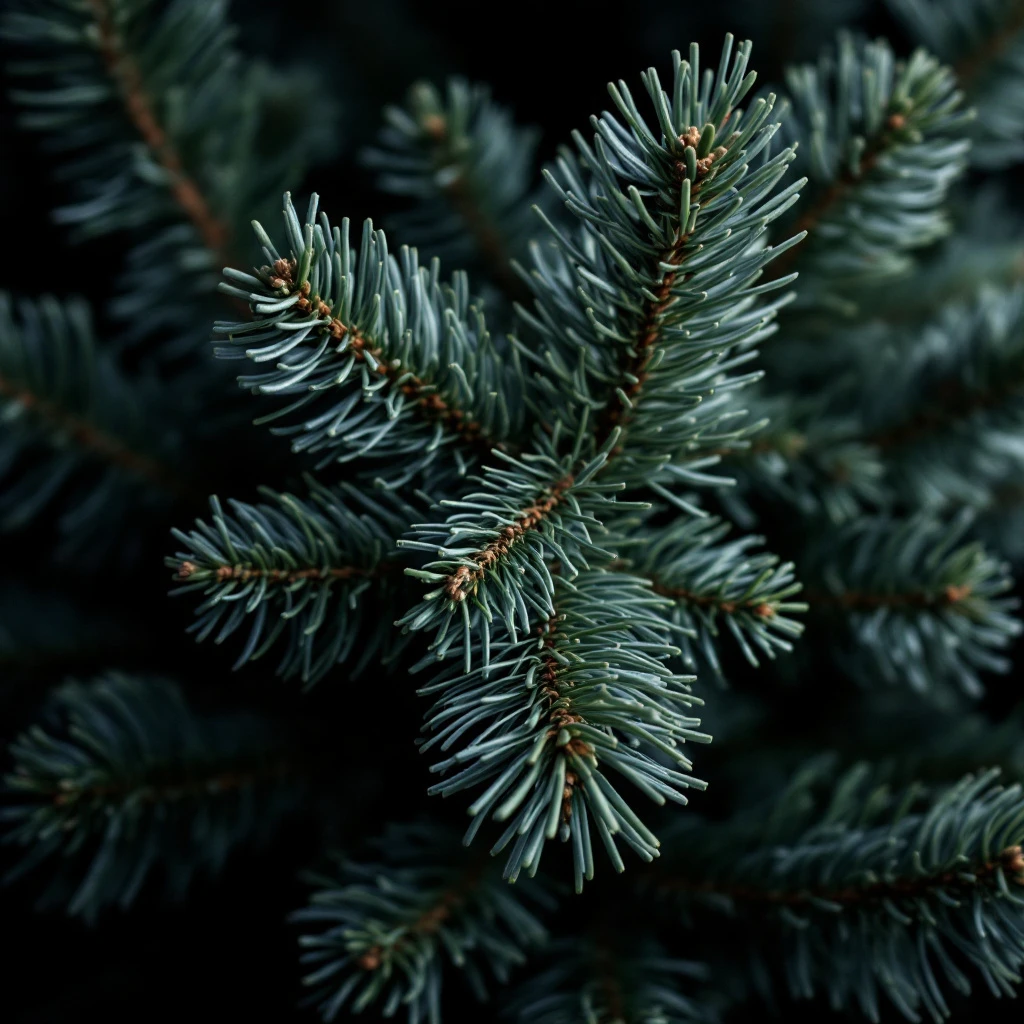
Cold air at altitude. Crisp needles releasing sharp terpenes. European black pine essential oil captures that first breath of winter forest: fresh, resinous, almost medicinal. A note that anchors masculine fragrances with raw outdoor clarity.
Character
How it smells
Sharp, resinous, cold forest air in a bottle.
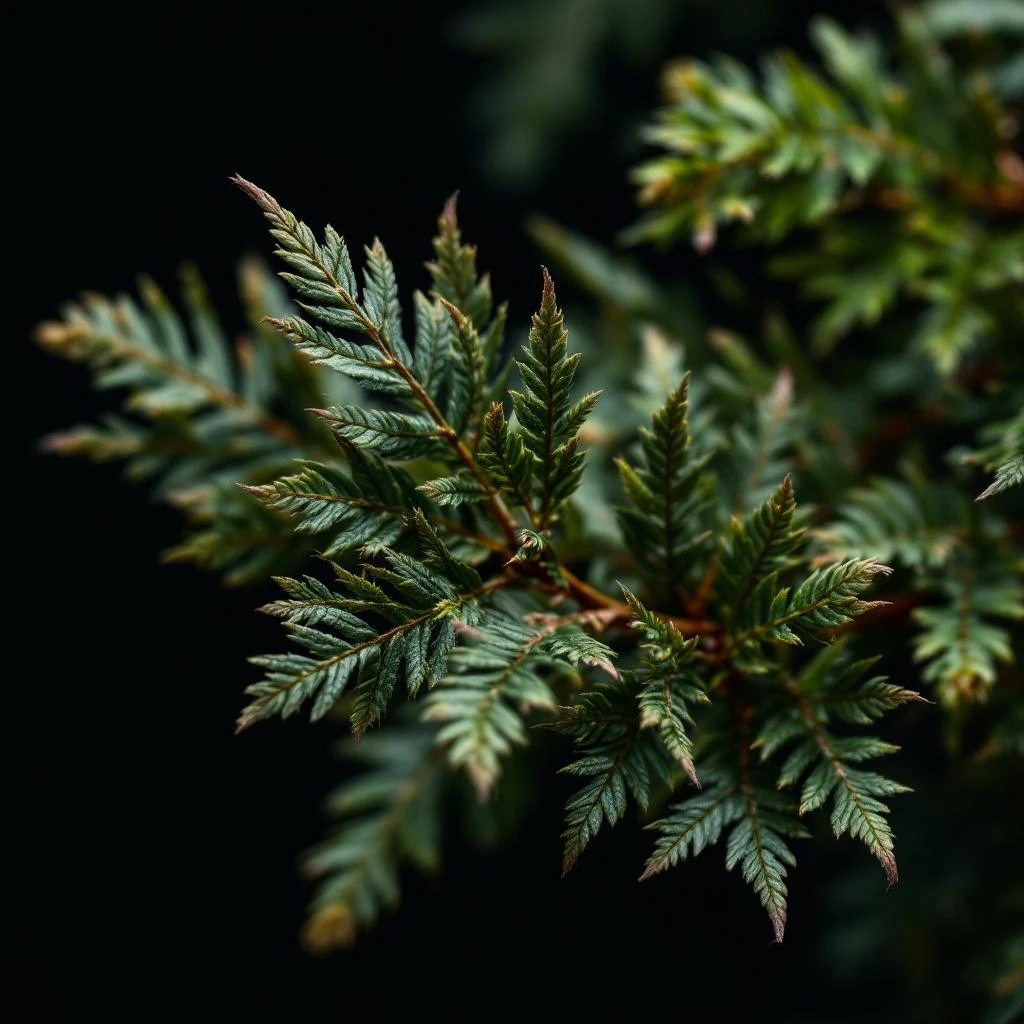
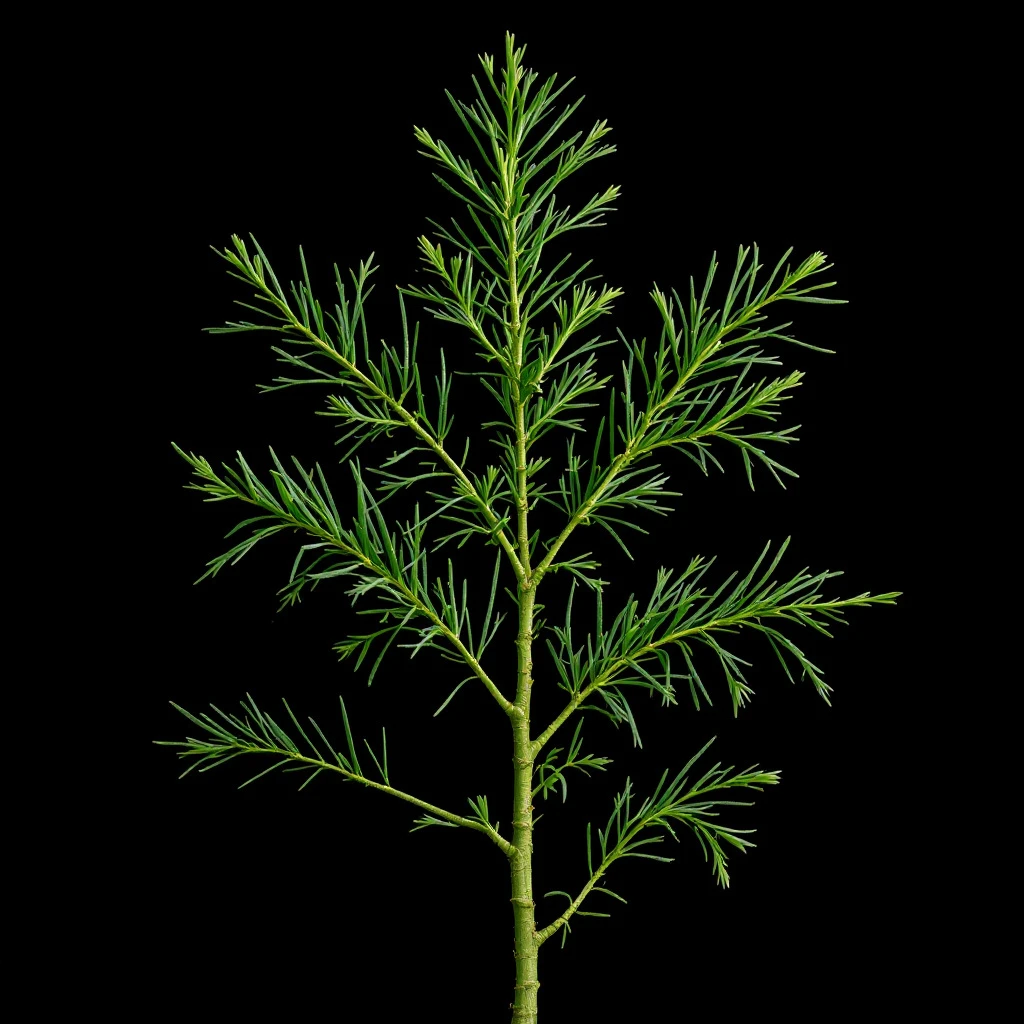
Austrian pine (Pinus nigra) thrives where other trees fail. It colonizes limestone cliffs and rocky ridges above 1,500 meters, developing a more concentrated needle oil than lowland specimens.



Origin
Austria
Pine resin was central to ancient Mediterranean perfumery. Egyptian embalming practices used pine pitch, and Roman physicians described pine needle preparations for respiratory ailments. The Greeks burned pine resin during religious ceremonies, creating some of the earliest documented aromatic rituals.
During the medieval period, Alpine communities developed organized pine needle harvesting tied to local medicine traditions. The invention of efficient steam distillation in the 19th century shifted pine from a raw resin to a refined essential oil. Austrian and Italian mountain regions became production centers by the early 1900s, supplying the growing European perfume industry with regional variations in scent profile tied to altitude and soil.
By the mid-20th century, Pinus nigra appeared in masculine compositions as a signature conifer note, valued for its persistence and sharp character.
Wears it best
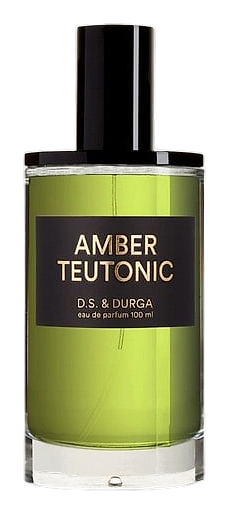
Fragrances featuring European black pine

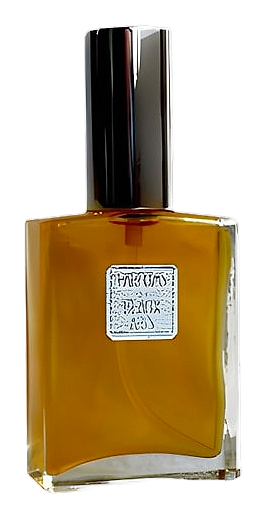
Brands
Brands known for European black pine
Good to know
Questions, answered
The essentials on European black pine in perfumery: how it smells, where it comes from, and how it behaves on skin.
What does European black pine smell like?
European black pine opens sharp and terpenous, like turpentine cut with fresh cut wood. The dry-down settles into dry, resinous wood with subtle green and camphorated undertones. It reads as cold, outdoor, and slightly medicinal.
How is European black pine oil extracted?
Steam distillation of fresh needles and twigs. Vapor carries the oil from the plant material, then condenses and separates from the hydrosol. The process preserves the monoterpenes that give pine its characteristic sharp, fresh character.
What regions produce the best European black pine oil?
Austrian and Italian Alpine sources, particularly stands above 1,200 meters elevation, produce oil with higher concentrations of bornyl acetate and a drier, more camphorated quality compared to lowland pine.
How does European black pine differ from Scots pine?
Scots pine (Pinus sylvestris) carries sweeter, more citrus-pineapple nuances. Black pine oil is sharper, more resinous, and has a drier, more medicinal quality that performs differently in fragrance compositions.
In which fragrance families is European black pine most commonly used?
Masculine and sport fragrances. It pairs naturally with juniper, cedarwood, and citrus. In chypre and fougere structures, it adds freshness and helps anchor dry woods.
Is European black pine oil sustainable?
Harvesting involves pruning existing trees rather than clear-cutting. Sustainable operations rotate collection areas and avoid stripping more than 30 percent of canopy per tree, allowing recovery within two to three years.
What makes high-altitude black pine oil different?
Stressed trees at elevation produce higher terpene concentrations as a defense mechanism. Oil from trees growing above 1,500 meters typically contains more camphor and a sharper, more persistent scent profile.
Is European black pine oil natural or synthetic?
It is naturally extracted via steam distillation of Pinus nigra needles and twigs. Synthetic pine-like compounds exist (like pinenes), but the natural oil contains hundreds of compounds that create its complex, layered character.