Cypress root
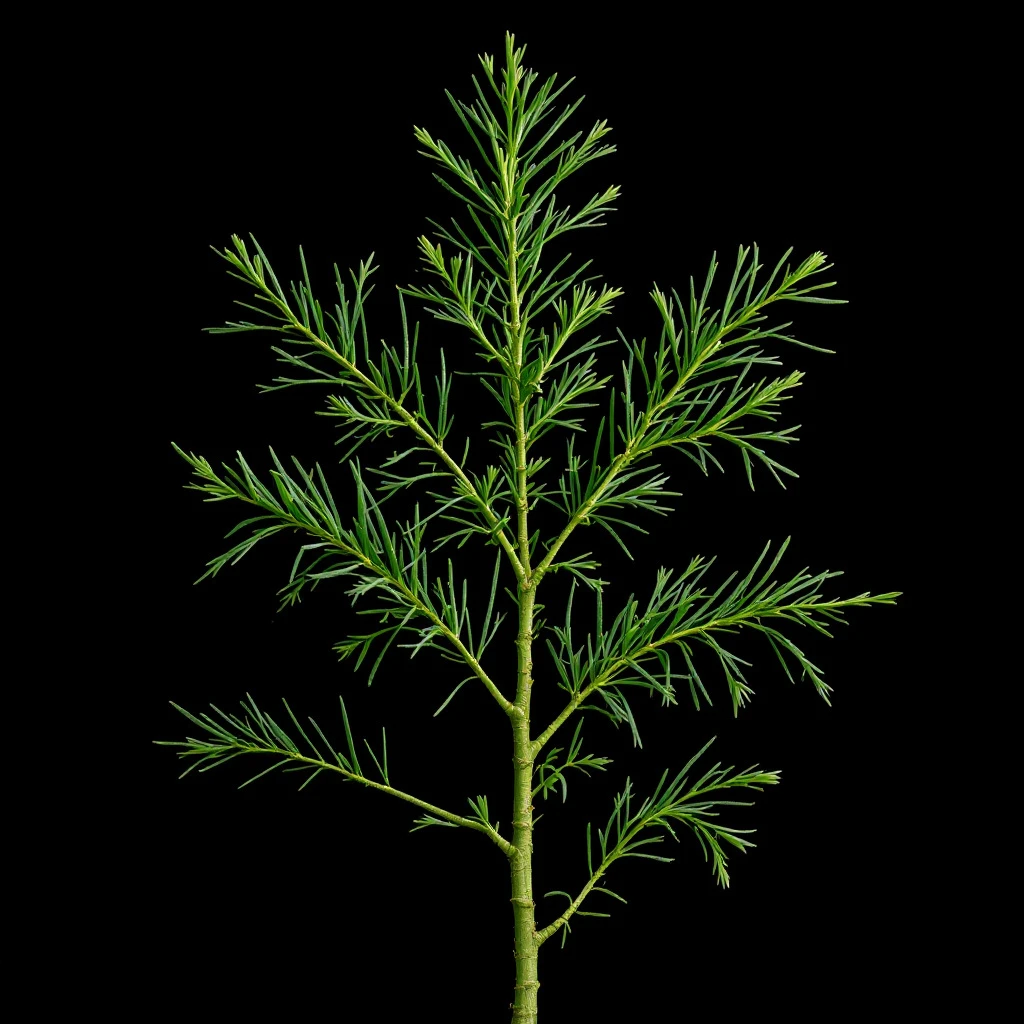
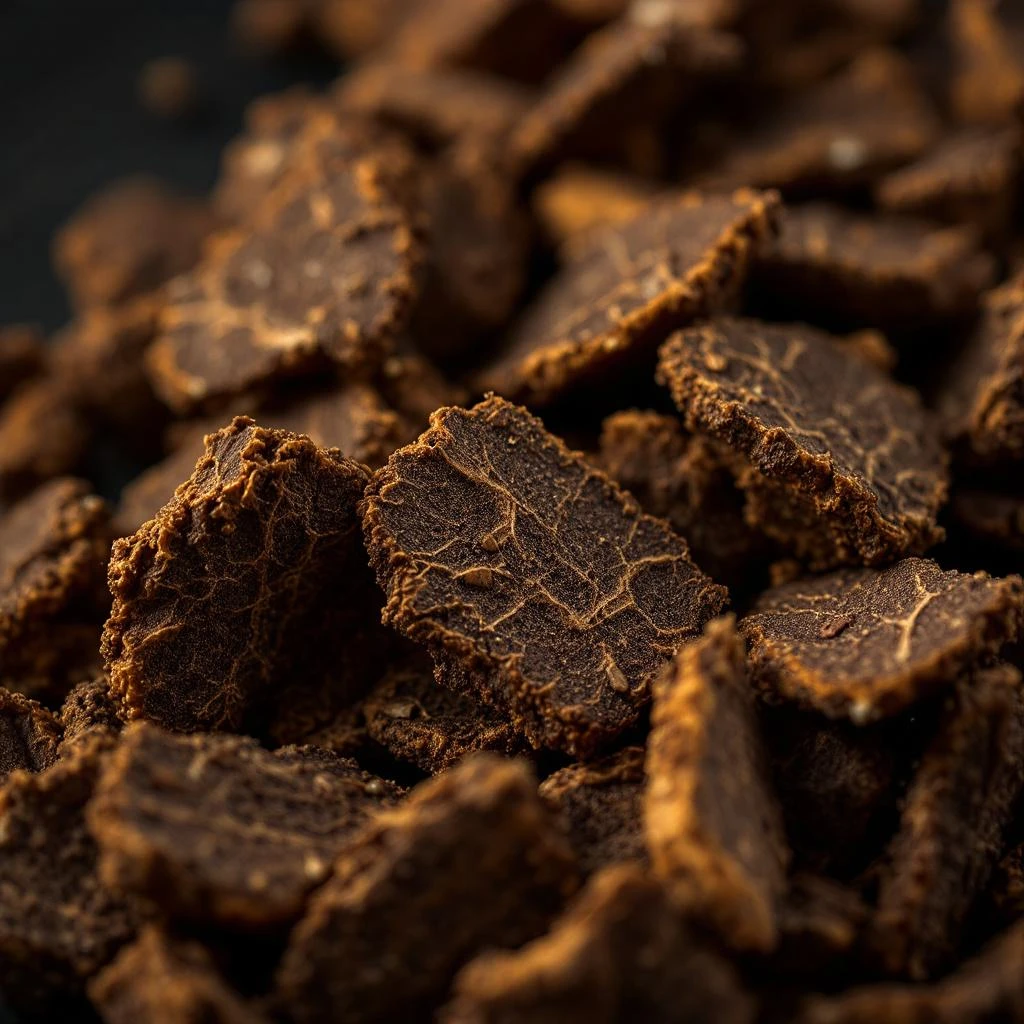
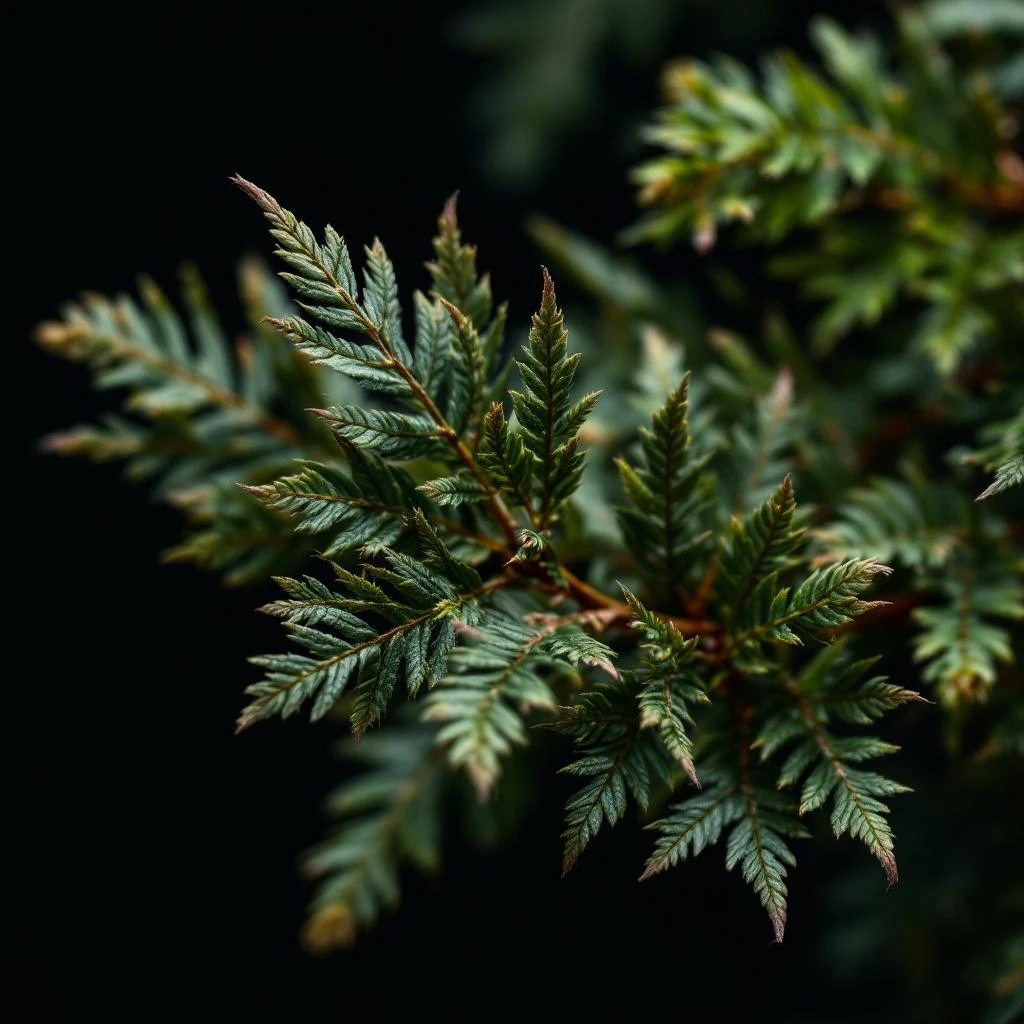
Cypress root anchors fragrance with its deep, resinous warmth. Beneath the Mediterranean cypress's noble silhouette lies a subterranean aromatic treasure that perfumers have prized for centuries.
Character
How it smells
Ancient Mediterranean wisdom distilled into woody depth.
Cypress roots from trees over 50 years old yield significantly more aromatic compounds, making age a critical factor in quality.


Origin
France
The Mediterranean cypress has held sacred significance across ancient civilizations. Egyptian priests used cypress-derived materials in temple rituals, while Greek mythology linked the tree to mourning, associating it with the underworld god Hades.
The Romans planted cypress groves around temples and tombs, valuing the tree's evergreen nature as a symbol of eternal life. Ancient perfumers likely discovered the aromatic potential of cypress roots through observation of how the wood burned and released scent during funeral rites.
Throughout the centuries, Mediterranean cultures incorporated cypress root preparations into medicinal remedies before its application in perfumery became established. By the Renaissance, French and Italian perfumers began systematically using aromatic plant roots, including cypress, as fixatives that extended fragrance longevity on skin.
Wears it best
Fragrances featuring Cypress root

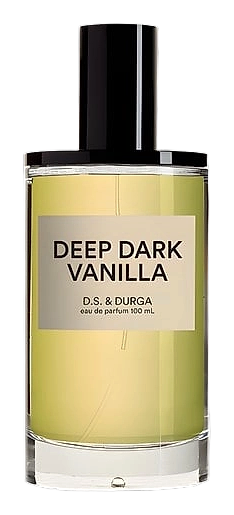
Brands
Brands known for Cypress root
Good to know
Questions, answered
The essentials on Cypress root in perfumery: how it smells, where it comes from, and how it behaves on skin.
What does cypress root smell like?
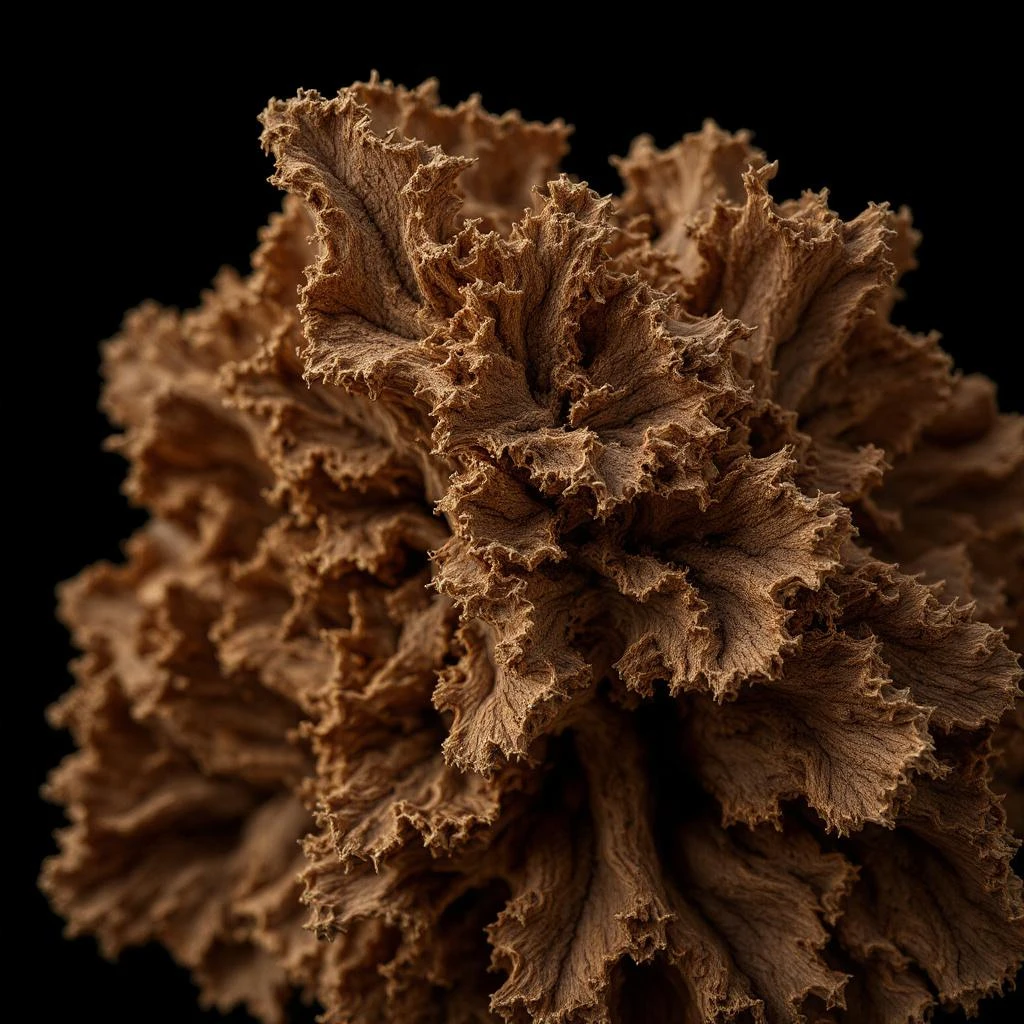
Cypress root carries a deep woody, earthy scent with subtle balsamic and resinous undertones. The aroma includes hints of fresh pine needle and a slight camphor quality that distinguishes it from other woody materials.
Is cypress root extraction sustainable?
Sustainable harvesting requires removing entire trees, which limits production. Suppliers typically source from cultivated cypress plantations rather than wild populations to maintain ecological balance.
How does cypress root compare to cypress leaf in perfumery?
Cypress root offers greater depth and warmth compared to the lighter, fresher leaf. Root extracts provide earthier, more resinous qualities that work better as fixatives in base notes.
What fragrance families pair well with cypress root?
Cypress root complements chypre, woody, and fougere compositions. It pairs naturally with bergamot, labdanum, oakmoss, and vetiver in men's fragrances and certain gender-neutral scents.
How old must cypress trees be before root harvest?
Perfumery-grade cypress root comes from trees at least two to three years old. Older trees, particularly those over 50 years, produce roots with significantly higher aromatic compound concentration.
Does climate affect cypress root quality?
Mediterranean climate with hot, dry summers produces the most aromatic roots. Trees grown in optimal conditions develop higher concentrations of the sesquiterpenes that give cypress root its characteristic scent.
Can synthetic alternatives replace natural cypress root?
No single synthetic reproduces cypress root's complete aromatic profile. Chemists combine multiple aromatic molecules to approximate its woody-earthy character, but natural extracts remain preferred for complex compositions.
Which countries produce the best cypress root for perfumery?
France, Italy, and Spain lead production of perfumery-grade cypress root. French Provence and the Italian Mediterranean coast produce trees particularly valued for their aromatic root profiles.