Spanish prickly pear
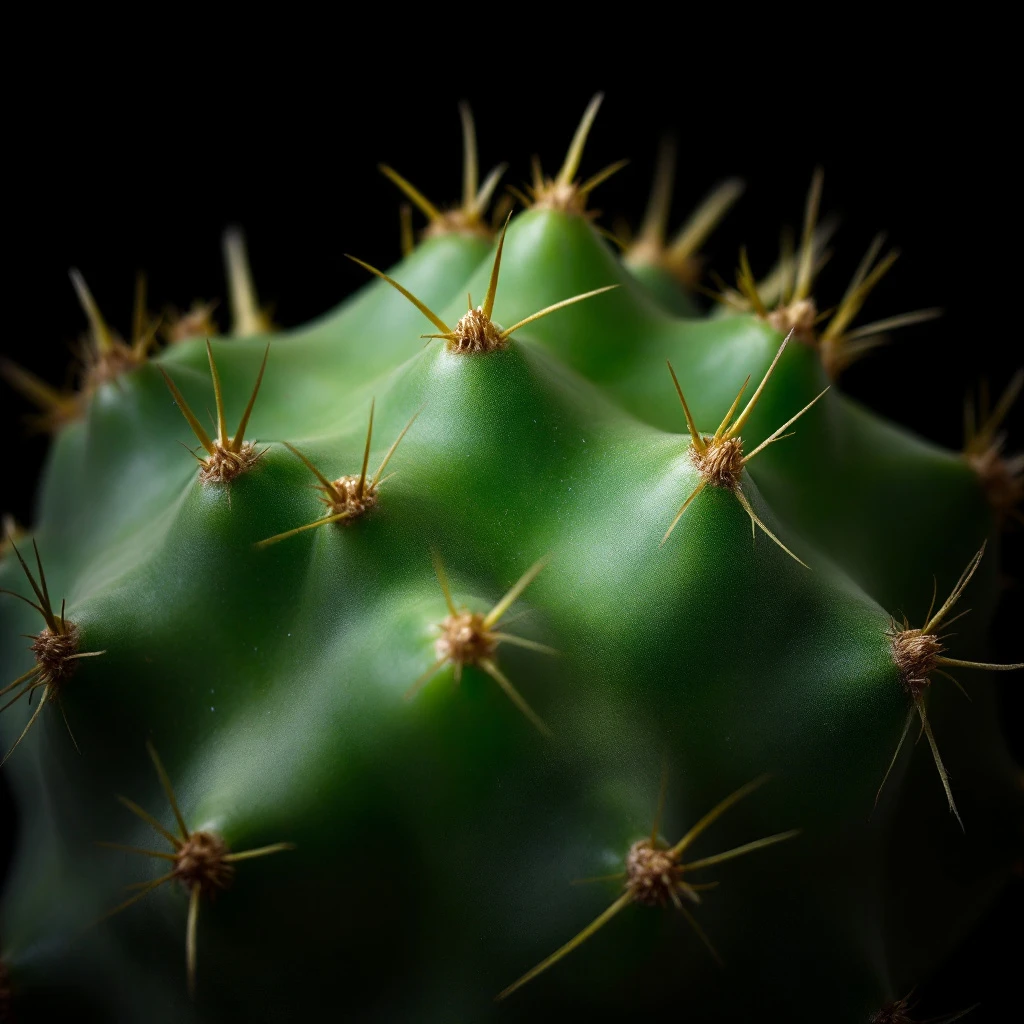
Spanish prickly pear brings sun-baked Mediterranean character to fragrance, offering a unique blend of green, slightly tart and subtly sweet aromatic qualities drawn from the fruit and seeds of the Opuntia cactus that thrives across the Iberian peninsula.
Character
How it smells
Mediterranean cactus fruit with a subtly sweet, green character.
A single prickly pear fruit contains around 250 seeds, making seed oil one of the most labor-intensive botanical extracts in perfumery.


Origin
Spain
Prickly pear (Opuntia ficus-indica) originated in the Americas but arrived in Spain and the broader Mediterranean during the 16th century following Spanish colonial expansion. The plant quickly adapted to the dry, sunny climate of the Iberian peninsula and North Africa, becoming naturalized across vast territories. Spanish botanical texts from the 17th century document its spread through Andalusia and Catalonia.
The cactus played multiple roles in Mediterranean culture, from food source to folk medicine, long before perfumers recognized its aromatic potential. The two-way exchange of botanical knowledge between Spanish colonizers and Mexican cultures during the conquest period made prickly pear a bidirectional traveler, moving both east and west across the Atlantic.
Wears it best
Fragrances featuring Spanish prickly pear

Brands
Brands known for Spanish prickly pear
Good to know
Questions, answered
The essentials on Spanish prickly pear in perfumery: how it smells, where it comes from, and how it behaves on skin.
What does Spanish prickly pear smell like in fragrance?
Spanish prickly pear offers a fresh, green aromatic profile with subtle sweetness and slight tartness. It delivers a clean, slightly aquatic quality reminiscent of cut stems combined with ripe fruit notes.
How is prickly pear oil produced for perfumery?
Prickly pear seed oil comes from cold-pressing the small seeds contained within the fruit. Around one ton of fruit yields only 40-50 liters of oil, making it a labor-intensive botanical material.
Where does prickly pear grow in Spain?
The plant thrives across southern Spain, particularly in Andalusia, where dry summers and well-drained soils create ideal growing conditions. Morocco and Tunisia also serve as production origins.
Is prickly pear a sustainable fragrance ingredient?
The plant requires minimal water once established and grows well in marginal agricultural land, making it relatively sustainable. Seed oil production adds value to fruit farming without requiring additional land.
What part of the prickly pear is used in perfumery?
Perfumers use both the fruit (pulp and peel) for aromatic extraction and the seeds for oil production. The fruit provides aromatic compounds while seeds yield the prized cosmetic and fragrance oil.
How did prickly pear reach the Mediterranean?
Spanish colonizers brought Opuntia from the Americas during the 16th century. The plant spread rapidly across the Iberian peninsula, North Africa, and the broader Mediterranean region within decades.
Can prickly pear be synthesized or is it always natural?
Natural prickly pear materials exist alongside synthetic versions that replicate its fresh, green character. However, natural extracts capture a complexity that synthetic alternatives often cannot fully match.
What fragrances traditionally feature prickly pear?
Prickly pear appears in modern fresh and marine fragrance compositions where its green, slightly sweet profile complements citrus, aquatic, and green tea notes. It remains relatively uncommon in classic perfumery.