
The Story
Why it exists.
The beginning
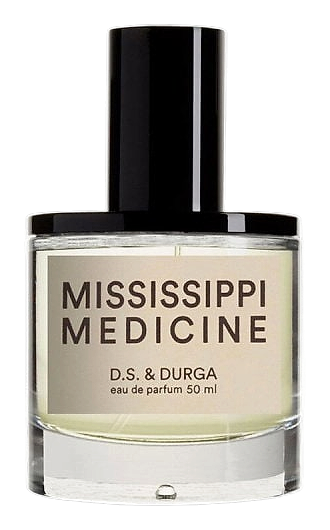
Mississippi Medicine draws from the rituals of the proto-Mississippian death cult, active in the 1200s. These communities practiced mortuary rites at sacred tree sites, burning offerings and using pine resin and birch tar in ceremonies. David Seth Moltz built the fragrance around that atmosphere, not the romantic version, but the real one. The smoke, the medicine, the green that comes before decay. The name references the actual healing traditions of that era, when priests performed rites at the same time they practiced medicine.
The cascarilla and cypress root combination is what sets this apart from other smoky fragrances. Cascarilla is a bitter, aromatic bark used in traditional tinctures. Cypress root brings earth and structure. Together, they keep the smoke from being merely atmospheric, it becomes structural. The aldehydes don't brighten here. They lift, giving the opening a waxy, slightly chemical quality that makes the whole thing feel ancient rather than fresh. The result is a fragrance that smells both medicinal and old.
The evolution
The opening announces itself immediately, aldehydes first, sharp and assertive, followed by green pine and something medicinal. The birch tar doesn't wait. It arrives with the top notes, building smoke that dominates the first hour. In the heart, the cascarilla and cypress root emerge, grounding the smoke in something herbal and root-like. The green doesn't disappear, it deepens, becoming more bitter and resinous as the pine intensifies. The drydown is where this lives or dies. The smoke eventually settles, but the birch tar stays close, mingling with frankincense and that Spanish prickly pear note for a finish that lingers on skin for 6-8 hours on most people. Some wearers report catching it the next day, a quiet, resinous trace that wasn't there when they went to sleep.
Cultural impact
Mississippi Medicine occupies a specific corner of the smoky-woody category. It's not for everyone, and that's intentional. The people who love it describe it as addictive, ritualistic, and unlike anything else they've worn. The divisive elements (strong birch tar, medicinal pine, astringent opening) are what draw wearers who want something that isn't safe. It sits apart from mainstream smoky fragrances and appeals to those seeking folkloric intensity.