The Story
Why it exists.
The beginning
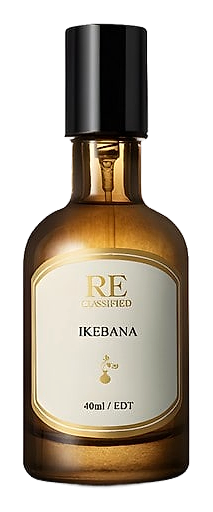
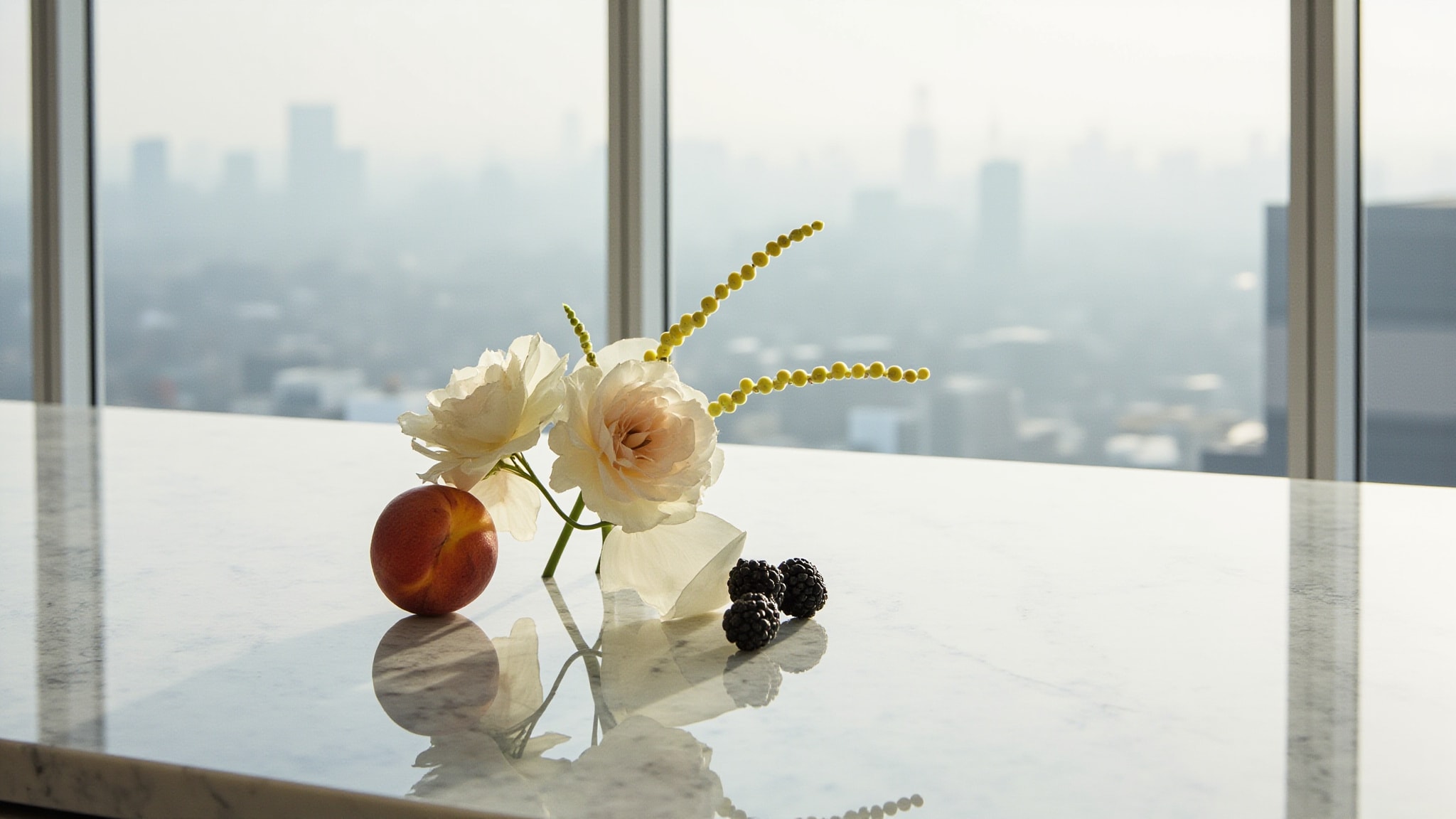
Ikebana takes its name from the Japanese art of arranging living flowers, branches, and natural forms with deliberate restraint. The source notes frame that practice as more than decoration: color, line, silhouette, and negative space become a study of harmony between people and nature. RECLASSIFIED’s Ikebana carries this contemplative spirit into scent through jasmine, neroli, Bulgarian rose, blackcurrant, apple, peach, patchouli, sandalwood, and white amber. The fragrance opens with a clean floral radiance, gradually gaining brighter fruit accents before settling into a warmer, earthy base. As the petals fade, patchouli lends damp soil and green depth, sandalwood rounds the composition with a creamy texture, and white amber leaves a gentle warmth in the final trail.
What makes Ikebana interesting is the way its structure resembles an arrangement rather than a single bouquet. Jasmine, Bulgarian rose, and neroli create three distinct expressions of white floral brightness. Blackcurrant, apple, and peach introduce crisp fruit and a polished sweetness, while patchouli, white amber, and sandalwood stop the composition from floating away. That earthy turn matters. It gives the floral accord weight, making the scent less like a decorative arrangement and more like one with roots.
The evolution
The first impression is clean and radiant, with jasmine and neroli lending a polished white floral glow before Bulgarian rose brings a deeper petal texture. Fruit arrives next, turning the arrangement sweeter and brighter as blackcurrant, apple, and peach lend a crisp, mouthwatering edge. Their lively fruit character sits lightly over the florals, bringing definition without obscuring the soft white-flower accord. Then patchouli changes the temperature. It introduces a dark, earthy thread beneath the flowers, keeping the composition from becoming too sweet. As the fragrance develops, sandalwood smooths that contrast into a creamy, polished trail, while white amber leaves a gentle warmth close to skin. The floral character remains the focus through the opening, but the drydown feels more grounded as the bright fruits recede and the base notes become more distinct.
Cultural impact
Ikebana places Japanese floral-arrangement philosophy within the fragrance’s composition, inviting attention to deliberate line, balanced form, and the role of empty space. That sense of restraint appears in the scent itself. Jasmine and neroli create a clean floral opening, Bulgarian rose adds depth, and blackcurrant, apple, and peach introduce bright fruit notes. Patchouli then brings an earthy counterpoint, while sandalwood and white amber soften the transition into a warm finish. The result reads like a composition rather than a simple bouquet, with each note adding shape, contrast, and a distinct place within the arrangement.