The Story
Why it exists.
The beginning
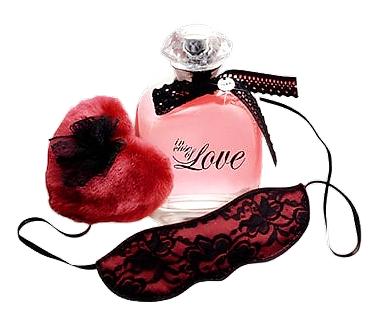
In Case of Love arrived in 2010 as part of Pupa's Real Seduction Kit, a coordinated trio of fragrance, powder, and body product built around a single mood. The name is direct. The intent is direct. This is a fragrance for someone who already knows what she wants, not someone still browsing. Pupa designed it to function as a complete sensory gesture, not just a scent but an atmosphere, one that lingers after the wearer has moved on to the next room, the next hour, the next evening.
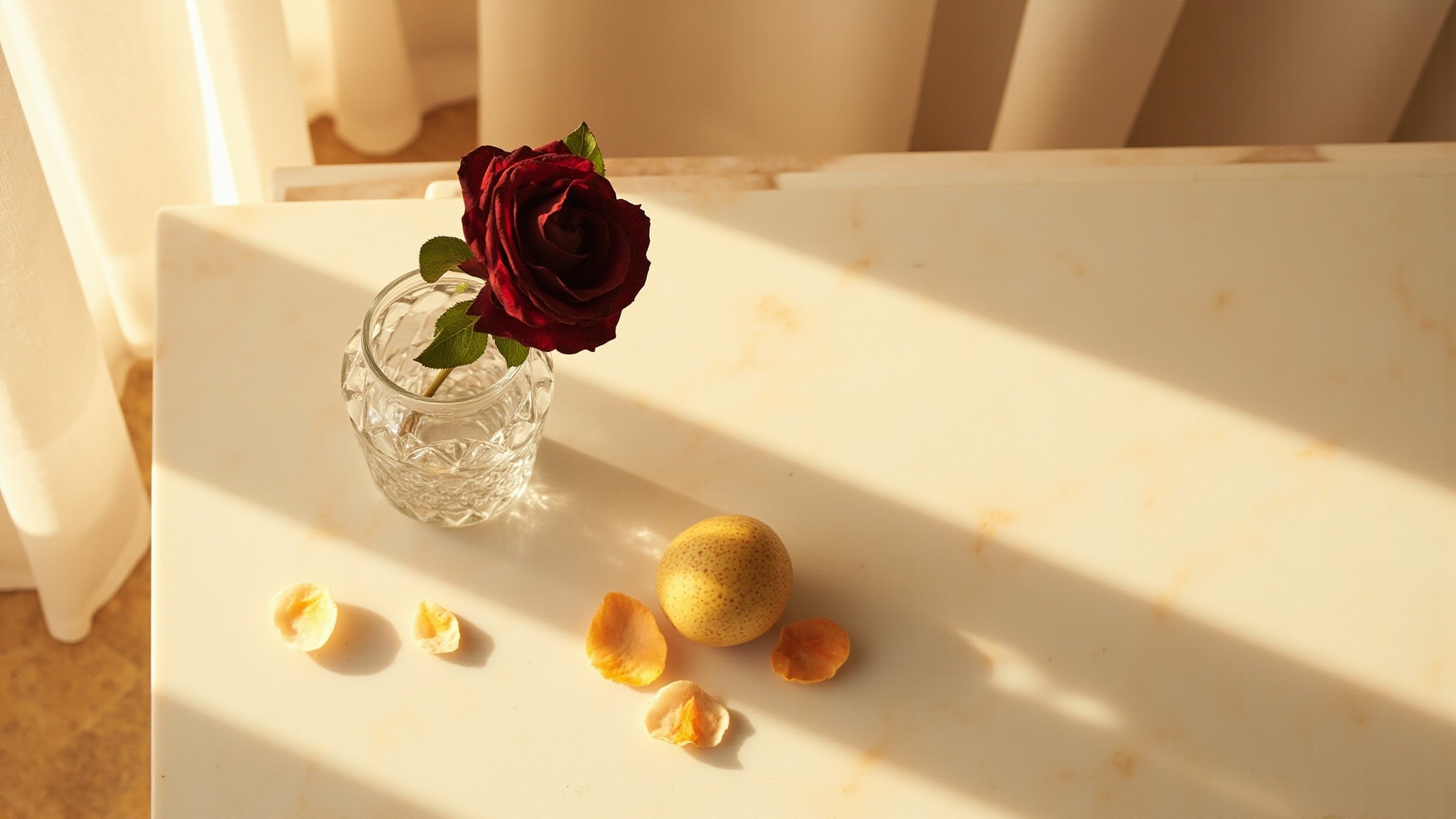
The black rose in the heart is the most deliberate choice here. It is not a different flower, it is the same rose, reinterpreted through perfumery's darker vocabulary. Real rose reads bright and clean. Black rose reads warm and velvety, with a depth that shifts the entire heart from girlish to something more considered. The freesia and cyclamen support without competing, adding texture rather than volume. The base is where most fruity-florals fall apart, sweet and thin. Here, mahogany and patchouli give weight. The vanilla does not arrive immediately. It builds slowly, patient, the last thing your skin remembers.
The evolution
The first ten minutes are all fruit, mandarin and pear arrive before peach has finished settling, overlapping in a way that feels effervescent rather than cluttered. Bergamot threads through, keeping the sweetness from tipping into confection. By the thirty-minute mark, the florals begin their takeover. Freesia goes first, then cyclamen, then the black rose, which does not announce itself so much as it occupies. The base notes arrive in a staggered formation over the next two hours: mahogany first, dry and warm; patchouli following, earthy but not rough; musk as a bridge to skin. The vanilla is last. It does not burst. It softens everything around it, turning the drydown into something intimate and close, the kind of scent someone notices when you are already in the same room, leaning in.
Cultural impact
In Case of Love arrived in 2010 during a peak period for accessible fruity-florals across European beauty markets. The Italian fragrance landscape at that time saw brands like Pupa competing with larger houses by offering approachable scents that introduced younger consumers to mainstream perfumery. The Real Seduction Kit positioning reflected a broader trend of cross-category beauty marketing, where fragrances were bundled with complementary products to create a complete sensory experience rather than sold as standalone items. This approach resonated with women in their early twenties who were building their fragrance identity and valued the ritualistic aspect of the kit format.