    Brand Profile

    Pupa is an Italian fragrance and cosmetics house that grew out of a small Milanese workshop in the mid‑1970s. Founded by Gabrielle Pupa, the…More

    Italy·Est. 1976·Site

    3

    Fragrances

    3.7

    Rating

    48
    Vert Printemps by Pupa
    Best Seller
    4.3

    Vert Printemps

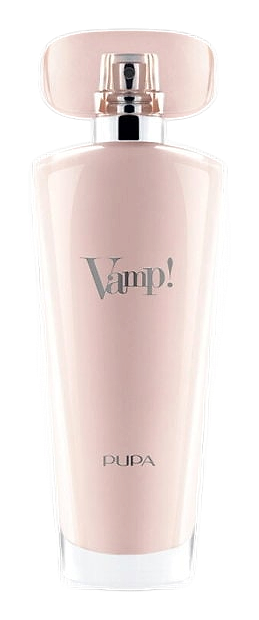
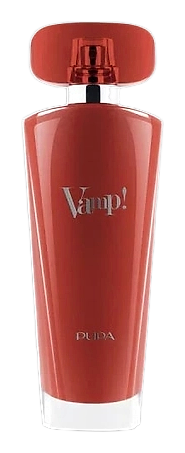
    Vamp! Red by Pupa – Eau de Parfum
    4.0

    Vamp! Red

    Eau de Parfum

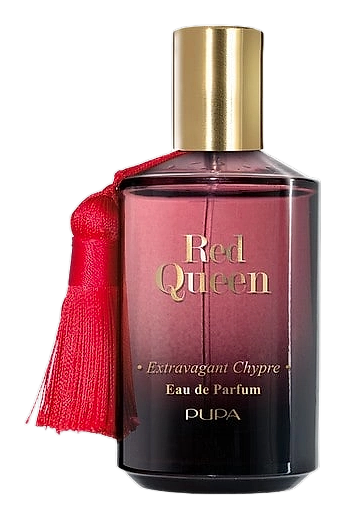
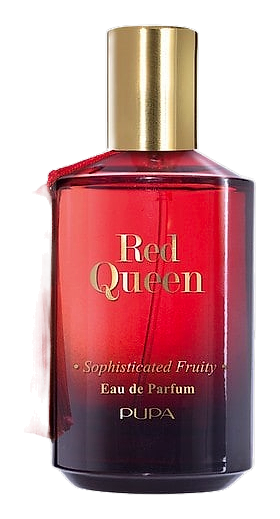
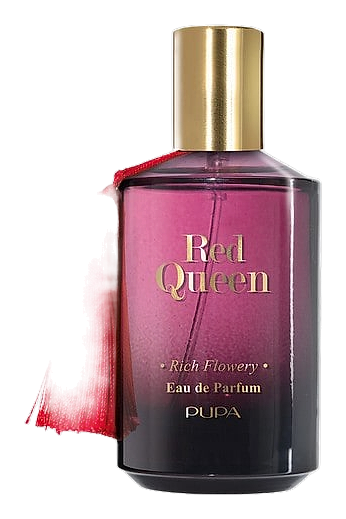
    Red Queen Extravagant Chypre by Pupa
    2.7

    Red Queen Extravagant Chypre

    Orange Tropical by Pupa
    Best Seller
    4.6

    Orange Tropical

    Air de Fio No 1 by Pupa
    Best Seller
    4.5

    Air de Fio No 1

    Air de Fio No 5 by Pupa
    4.3

    Air de Fio No 5

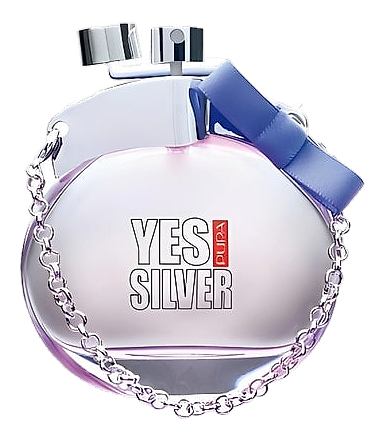
    Yes Silver by Pupa
    4.3

    Yes Silver

    Air de Fio No 4 by Pupa
    4.3

    Air de Fio No 4

    Rose Nuage by Pupa
    4.3

    Rose Nuage

    Very Flower Orchidea by Pupa
    4.3

    Very Flower Orchidea

    Air de Fio No 6 by Pupa
    4.3

    Air de Fio No 6

    Miss Princess - Confetti Di Zucchero by Pupa
    4.2

    Miss Princess - Confetti Di Zucchero

    1 of 4

    The Heritage

    The Story of Pupa

    Pupa is an Italian fragrance and cosmetics house that grew out of a small Milanese workshop in the mid‑1970s. Founded by Gabrielle Pupa, the brand first earned a reputation for vivid makeup palettes before extending its expertise to scented creations. Today, Pupa offers a portfolio that includes the airy “Air de Fio” series, the floral “Rose Nuage”, and the playful “Miss Princess – Confetti Di Zucchero”. The company balances a distinctly Italian sense of style with a commitment to approachable luxury, delivering scents that feel both contemporary and rooted in tradition. Its products are sold in boutique stores across Italy and in selected international retailers, where they are recognised for bright packaging and a focus on quality ingredients.

    Heritage

    The story of Pupa begins in 1976, when Gabrielle Pupa opened a modest cosmetics studio on Via Monte Napoleone in Milan. Initially, the workshop produced hand‑mixed powders and lip colours for a handful of local clients. By the early 1980s, word of mouth and a series of fashion‑week collaborations propelled the brand into Italy’s emerging beauty scene. In 1990, Pupa launched its first full‑range makeup line, introducing over 30 shades of eye shadow that were praised for their pigment and affordability. The 1990s also saw the opening of the first dedicated Pupa boutique in Milan, a space designed to showcase the brand’s playful aesthetic. A decisive shift occurred in 2011 when Pupa entered the fragrance market with the “Air de Fio” collection, a series of light, citrus‑driven scents that reflected the brand’s ethos of breezy elegance. The launch was accompanied by a limited‑edition campaign featuring Italian photographer Francesco Carrozzini, underscoring Pupa’s willingness to blend art and commerce. Subsequent releases such as “Vert Printemps” (1997) and “Very Flower Orchidea” (2008) expanded the olfactory portfolio, each fragrance anchored by a clear narrative and a distinct bottle silhouette. Throughout the 2010s, Pupa reinforced its presence in Europe and began exporting to Asia, where its colorful packaging resonated with younger consumers. In 2018 the company opened a flagship store in Tokyo’s Shibuya district, marking its first permanent location outside of Europe. By 2023, Pupa celebrated its 47th anniversary with a retrospective exhibition at the Triennale di Milano, highlighting archival sketches, original formulations, and the evolution of its visual language. The brand’s longevity reflects a consistent ability to adapt to shifting beauty trends while retaining the founder’s original commitment to creativity and quality.

    Craftsmanship

    Every Pupa fragrance begins in a modest laboratory in the Lombardy region, where a team of perfumers—often independent artisans hired on a project basis—translate a brief into a scent profile. The brief typically outlines a mood, a seasonal inspiration, and a target demographic, after which the perfumer selects a blend of natural extracts and synthetically derived aroma molecules. Natural ingredients such as Sicilian bergamot, Tuscan lavender, and Calabrian orange blossom are sourced from certified growers who adhere to EU organic standards. Synthetic components, including iso e super and hedione, are procured from reputable chemical manufacturers in Germany and France, ensuring consistency and compliance with REACH regulations. Once a formula is finalized, it undergoes a three‑stage stability test: a 30‑day accelerated aging at 40 °C, a 12‑month real‑time storage test, and a skin‑compatibility panel involving volunteers from the brand’s loyalty program. Successful batches are then transferred to a stainless‑steel mixing tank where the perfume oil is diluted in a precise ethanol‑water solution. The mixture rests for a minimum of six weeks to allow the notes to harmonise, a practice Pupa describes as “the quiet maturation of scent”. Bottling takes place at a family‑owned glassworks in Murano, Venice, where artisans hand‑blow each vessel to exact specifications. The brand favors clear or lightly frosted glass to showcase the colour of the perfume, and caps are machined from brushed aluminium to convey a modern yet tactile feel. Quality control inspectors verify each bottle for weight, seal integrity, and visual defects before the product is boxed in recyclable cardboard printed with soy‑based inks. Pupa’s commitment to craftsmanship also includes a limited‑run “artisan series” where select fragrances are produced in batches of fewer than 5,000 units, each accompanied by a signed certificate from the perfumer. This approach allows the brand to experiment with niche accords—such as a rare accord of Bulgarian rose and Japanese yuzu—while maintaining the rigorous standards applied to its mainstream lines.

    Design Language

    Visually, Pupa embraces a graphic language that blends retro pop‑art motifs with contemporary minimalism. The brand’s logo—an angular, lowercase “pupa” rendered in a bold sans‑serif typeface—appears on packaging in a palette of saturated hues: electric pink, teal, and sunshine yellow. Bottle designs for the fragrance line echo this approach; the “Air de Fio” series features slender, cylindrical flacons with a subtle gradient that shifts from translucent amber at the base to a soft rose at the neck, suggesting the transition from day to evening. Secondary packaging often incorporates textured paper with embossed patterns reminiscent of 1970s Italian poster art, creating a tactile experience that invites the consumer to linger. In retail environments, Pupa stores are arranged like colour studios, with bright backlit shelves and modular display units that can be reconfigured for seasonal launches. The brand’s advertising campaigns, frequently shot by emerging Italian photographers, favour candid, lifestyle‑oriented imagery over staged glamour, reinforcing the message that beauty is an everyday act. Digital assets follow the same visual grammar: the website uses generous white space, bold colour blocks, and interactive scent‑pairing tools that let users explore fragrance families. Social media posts often feature close‑up shots of product textures—powdery makeup, glistening perfume droplets—paired with short, witty copy that reflects the brand’s conversational tone. This cohesive aesthetic, from bottle to billboard, positions Pupa as a modern Italian atelier that values both design integrity and approachable charm.

    Philosophy

    Pupa’s creative vision rests on three pillars: colour, accessibility, and authenticity. The brand treats colour as a language, using bold palettes to invite personal expression rather than prescribe a single ideal. This philosophy extends to fragrance, where scents are crafted to be instantly recognizable yet adaptable to individual skin chemistry. Pupa believes that beauty products should be within reach of a broad audience, so it maintains price points that align with its production efficiencies without compromising ingredient standards. Transparency informs every step of the development process. Formulations are disclosed on the company’s website, and the brand routinely publishes ingredient sourcing reports that detail the origins of essential oils, synthetic aromachemicals, and botanical extracts. Sustainability is framed as a practical responsibility: Pupa employs recyclable packaging, offers refill stations in select boutiques, and partners with Italian farms that practice organic cultivation. Community engagement also shapes the brand’s ethos. The Pupa Academy, launched in 2015, provides free workshops for aspiring makeup artists and perfumers, fostering a pipeline of talent that reflects the brand’s inclusive outlook. By positioning creativity as a shared resource, Pupa cultivates a loyal following that views the brand as a partner in personal style rather than a distant luxury label.

    Key Milestones

    1976

    Gabrielle Pupa opens a small cosmetics studio on Via Monte Napoleone, Milan.

    1990

    Launch of Pupa’s first full‑range makeup line, introducing over 30 highly pigmented shades.

    1997

    Release of the fragrance "Vert Printemps", marking the brand’s early foray into scent.

    2011

    Debut of the "Air de Fio" fragrance collection, establishing Pupa as a perfume house.

    2015

    Opening of the Pupa Academy, offering free workshops for aspiring beauty professionals.

    2018

    Inauguration of the flagship store in Shibuya, Tokyo, expanding the brand’s global footprint.

    At a Glance

    Brand profile snapshot

    Origin

    Italy

    Founded

    1976

    Heritage

    50

    Years active

    Collection

    3

    Fragrances released

    Avg Rating

    3.7

    Community sentiment

    Release Rhythm

    2021
    3
    2019
    6
    2015
    1
    2013
    6
    2011
    7
    2010
    1
    2009
    1
    2008
    6
    pupa.com

    Did You Know?

    Interesting Facts

    Distinctive details and defining moments that shape the house personality.

    01

    Pupa’s name is the founder’s surname, but the brand deliberately uses the lowercase styling to evoke a sense of modesty and approachability.

    02

    The "Air de Fio" bottles are manufactured in Murano, Venice, a region historically known for glassmaking, linking the fragrance to a centuries‑old Italian craft.

    03

    Pupa introduced a refill‑station program in 2017, allowing customers to reuse glass bottles and reduce packaging waste by up to 30 %.

    04

    The brand’s "Miss Princess – Confetti Di Zucchero" fragrance was inspired by a childhood memory of the founder’s daughter blowing sugar‑coated confetti at a birthday party.

    The Artisans

    The Perfumers