The Story
Why it exists.
The beginning
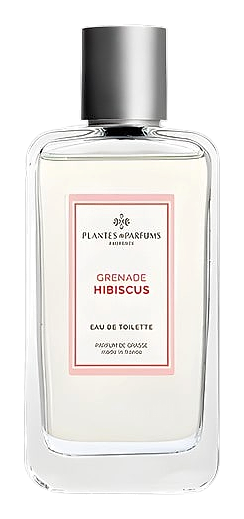
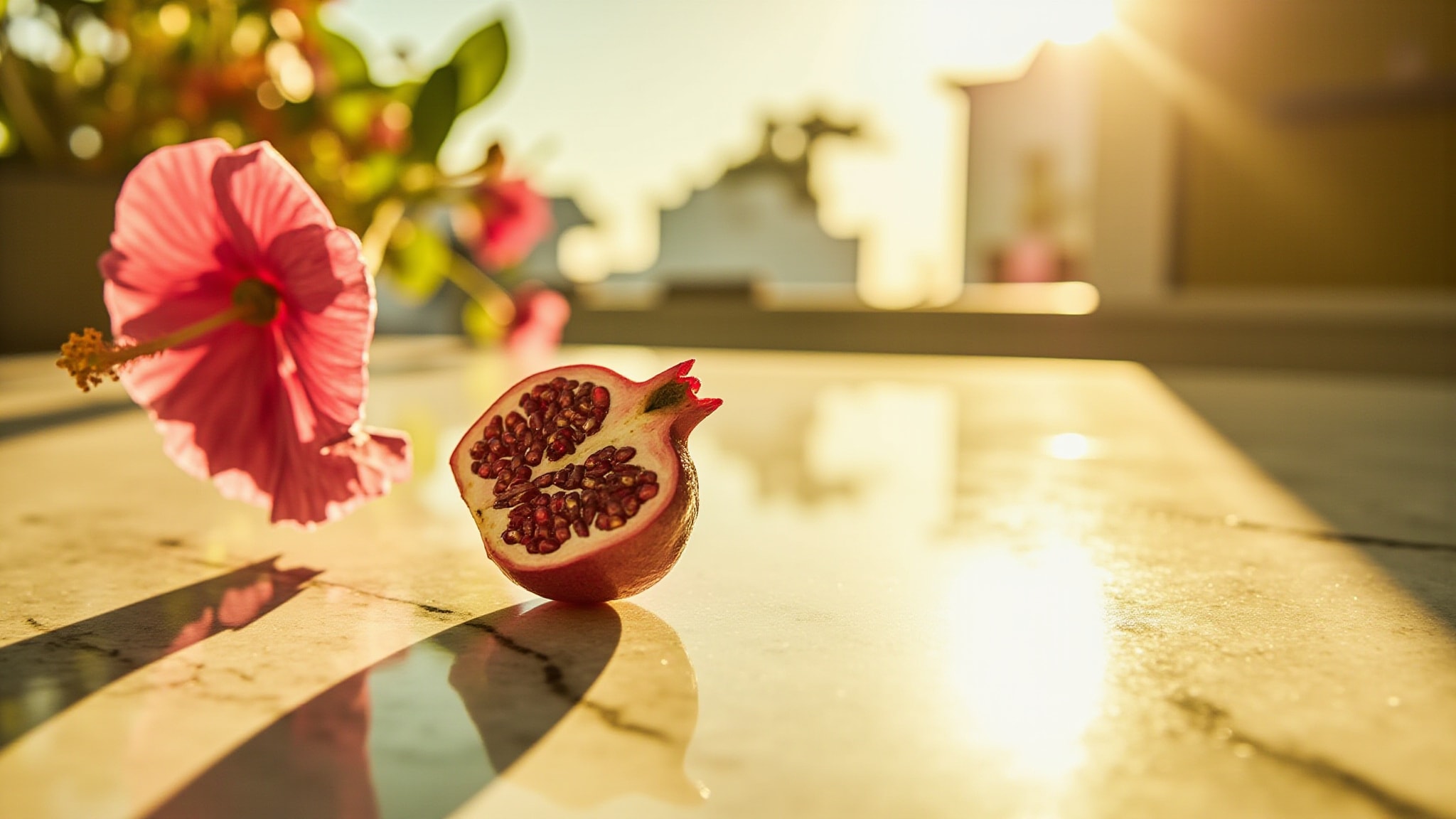
Grenade Hibiscus takes its name from the pairing at its center: pomegranate and hibiscus, fruit and flower held in the same composition. No launch year or perfumer is documented, but its structure speaks clearly. Peach, lemon, and lime create a lively opening, while hibiscus, jasmine, and pomegranate give the scent its generous floral-fruity character. That brightness settles over vanilla, cedar, sandalwood, and patchouli rather than disappearing into plain sweetness. The result presents a clear fruit-and-flower idea with bright citrus at the front, a floral heart, and a warm woody base, inviting closer attention to how each group of notes meets the next.
The unusual pleasure lies in that tension. Pomegranate brings a fruitiness beside hibiscus's floral character, while jasmine adds a soft petal accent rather than a heavy powder note. Peach and citrus make the opening generous and immediately readable. Then cedar, sandalwood, and patchouli pull the composition toward the ground, giving the fruit enough structure to move beyond a simple sweet impression. Vanilla softens that structure without flattening it.
The evolution
At first, peach, lemon, and lime bring a quick flash of ripe brightness, joined by dragon fruit. The composition then hands that shine to hibiscus, jasmine, and pomegranate. Floral notes meet fruit notes, creating a contrast that keeps each sniff changing. As the heart settles, patchouli joins cedar and sandalwood in the base, giving the composition a grounded character. Vanilla arrives last as a layer that rounds the sharper fruit without erasing it. The structure moves from a bright opening into a floral-fruity middle, then toward a base defined by vanilla, woods, and patchouli, with each note adding its own presence to the composition.
Cultural impact
Grenade Hibiscus centers on a single fruit-and-flower pairing through hibiscus and pomegranate, giving the composition a direct and readily understood identity. Its notes move between sparkling citrus, peach, dragon fruit, jasmine, hibiscus, and pomegranate before reaching vanilla, cedar, sandalwood, and patchouli. The balance of bright fruit and grounded woods gives it a versatile character, suited to the exploration of contrasting olfactory families without relying on any claim about where the fragrance belongs or who it was made for.