
The Story
Why it exists.
The beginning
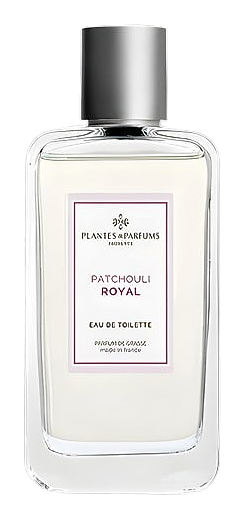
Patchouli Royal takes its name literally. Not as a marketing gesture, as a positioning statement. The house builds each fragrance around one botanical, letting that ingredient lead. Patchouli, with its weight and earthiness, needed something to keep it from becoming a heavy monologue. The answer came from the top: orange. Not sweet orange, not candied, the bright, slightly bitter peel that cuts through and lifts. Cedar follows to give the patchouli somewhere warm to land, and the base layers in vanilla and tonka to soften the edges into something that wears well over hours, not minutes.
What makes this structure work is the cedar. In most patchouli compositions, the base notes arrive like an afterthought, warmth to round things out. Here, cedar shares the heart equally with patchouli. They're in conversation, not competition. And vanilla pod, not absolute, suggests depth without syrupy weight. It's a composed fragrance. Nothing fights for attention. Everything arrives on time.
The evolution
The orange opens bright and clean, almost sharp. Then patchouli arrives, earthy, slightly bitter, but somehow not heavy. The cedar arrives alongside it, warm and dry, and together they push the citrus into the background. You can still smell it, but it's not the point anymore. This is the fragrance's identity, patchouli and cedar in equal measure, the orange a memory, the base a suggestion. The drydown arrives quietly. Musk and tonka soften everything into powder. The vanilla doesn't dominate, it extends, like a warm exhale. On fabric, the vanilla sticks around longest. This is a fragrance that doesn't announce its departure. It just gradually stops being there.
Cultural impact
Patchouli Royal fits a specific niche: the wearer who wants patchouli's complexity without its heaviness. It's not the incense-laden patchouli of counterculture, nor the polished patchouli of luxury houses. It's patchouli reframed through a Provençal lens, botanical specificity and restraint as the point. The house's approach to transparency and single-ingredient focus has attracted collectors who find complexity in clarity rather than in layering.