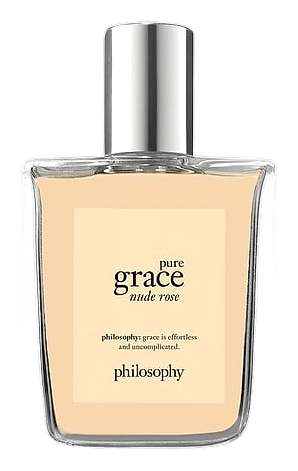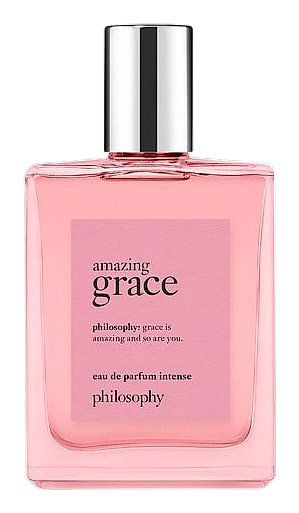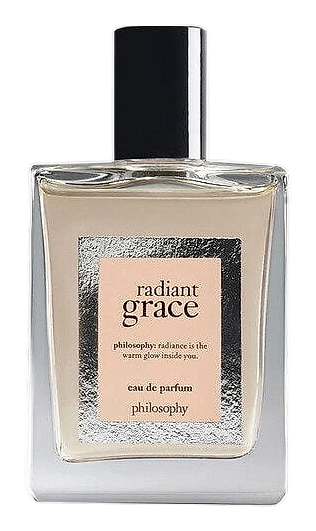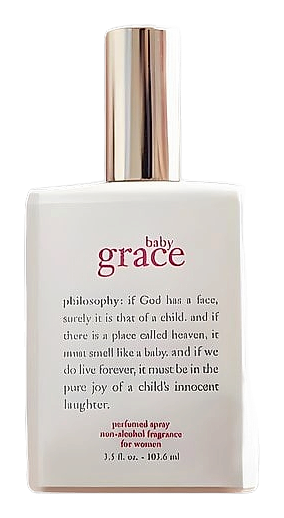

The Story
Why it exists.
The beginning
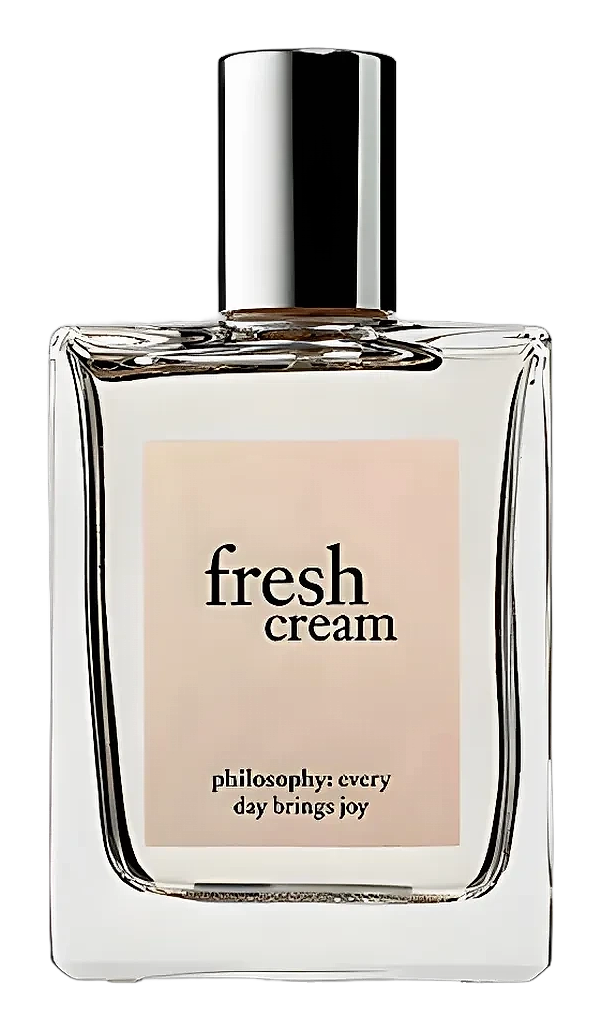
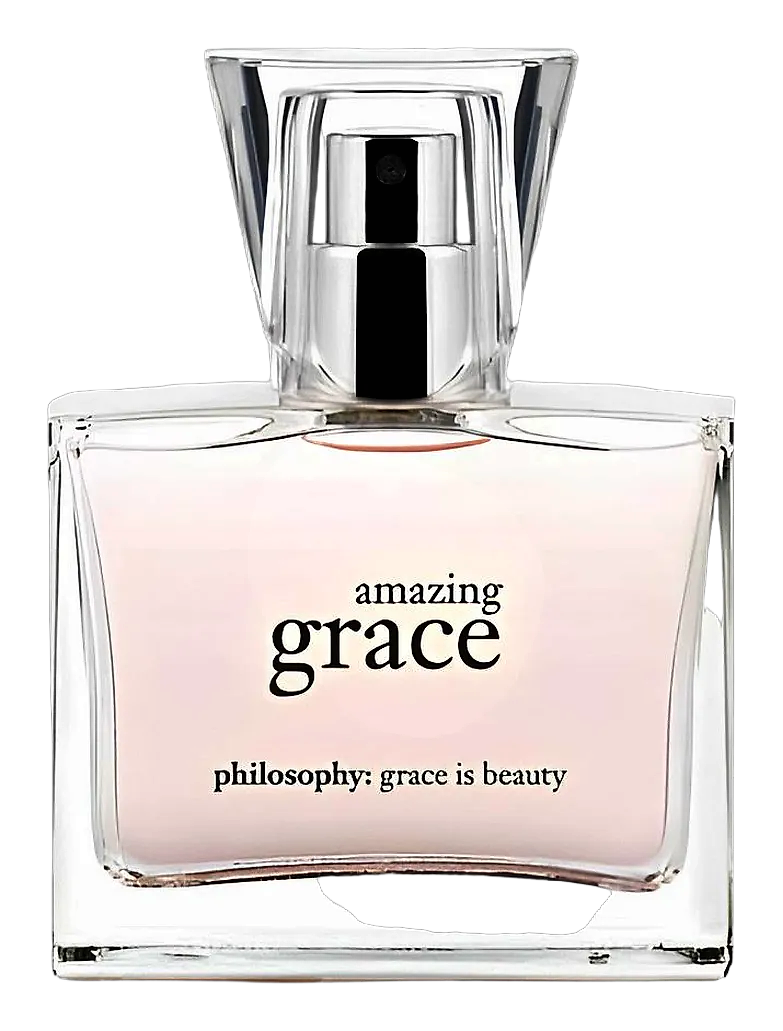
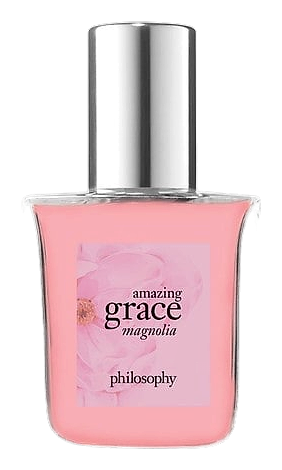
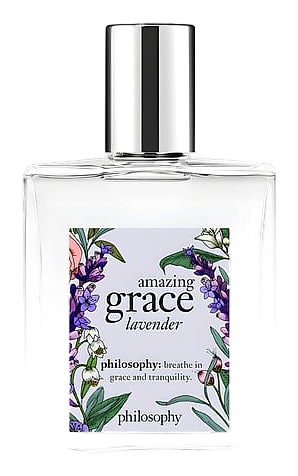
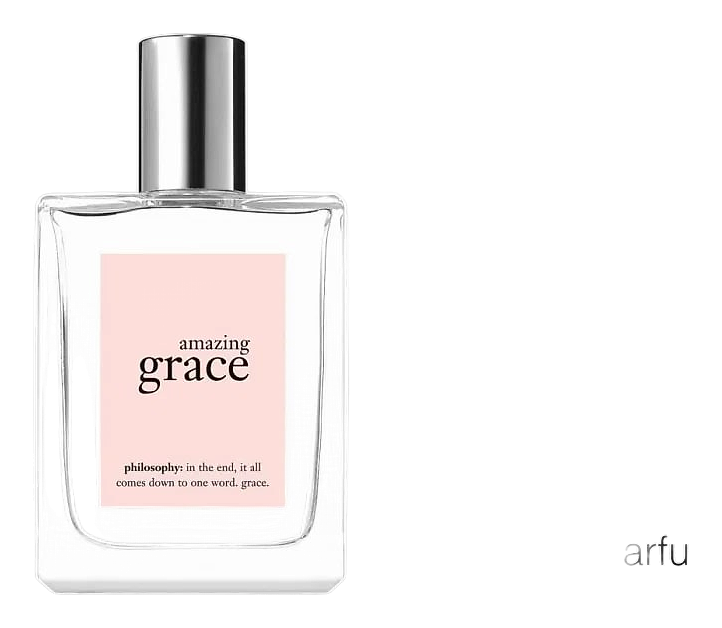
Amazing Grace arrived in 1996, the same year Philosophy launched. The first fragrance to carry the Philosophy name marked a notable moment for the brand, entering a crowded market with a composition that prioritized a different kind of restraint. The bottle itself, a rounded apothecary-style flask topped with a simple silver cap, signals the aesthetic before the scent even touches skin. Inside, bergamot and grapefruit lift the opening with a clear, citrus brightness, while mandarin orange adds a softer sweetness underneath. The composition moves quickly toward a floral heart built on freesia, rose, and jasmine, each note present but never competing for attention.
What makes this composition quietly radical for 1996 is its restraint. Bergamot, grapefruit, and mandarin orange open with citrus clarity, but the heart quickly settles into freesia, rose, and jasmine at a whisper. There is no loud floral statement, no dense oriental base waiting at the bottom. The musk in the drydown does almost all the heavy lifting, keeping the overall composition featherlight and approachable. The structure prioritizes wearability and skin-feel over projection, allowing the wearer to feel softly scented rather than heavily perfumed.
The evolution
The first fifteen minutes are all citrus, bright bergamot and grapefruit mingling with a sweeter mandarin edge. It reads almost like a cologne splash, which surprises people expecting powder from the first spray. By the thirty-minute mark the freesia and jasmine have taken over, but quietly, like someone turning down the volume until you have to lean in to catch them. The rose appears here too, but as a suggestion rather than a declaration. Nothing competes for attention. Around the two-hour mark the musk begins its slow takeover. It does not arrive with fanfare. It simply becomes the scent of your own skin, warmer, softer, slightly soapy in the best possible way. The drydown settles into a clean, comforting warmth that clings close without demanding notice. The florals never fully disappear; they linger beneath the musk like a memory, softening the overall impression as the hours pass.
Cultural impact
Amazing Grace built a devoted following through its quietly effective composition, drawing wearers who wanted a fragrance that felt personal rather than performative. The musk-heavy structure offered something different from the louder florals and orientals of its era, carving out a space for softer, skin-close scents within the broader market. For a certain generation of wearers, it remains a trusted everyday choice, a bottle kept close at hand for the routine moments of daily life. Its longevity on shelves speaks to a lasting connection with consumers who return to it again and again.
The House
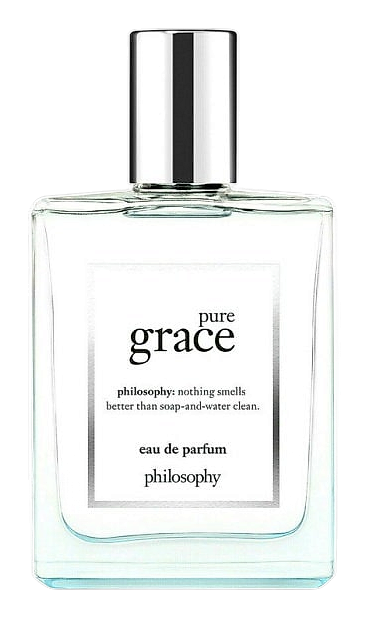
PhilosophyPhilosophy entered the fragrance world as an extension of its dermatological skincare expertise, bringing a clinical precision to scent creation that set it apart from traditional perfume houses. Founded by Cristina Carlino in 1996 as a Phoenix-based skincare brand, Philosophy leveraged its background in skin science to develop fragrances that prioritized skin compatibility alongside olfactory artistry. The brand gained recognition for its signature scent families, particularly the popular Pure Grace and Amazing Grace collections, which became cornerstone offerings in its fragrance portfolio. These lines showcased Philsophy's ability to translate simple, recognizable accords into elevated sensory experiences. Over time, the brand expanded its scent offerings to include seasonal limited editions and themed collections, often centered around evocative concepts like summer landscapes, winter imagery, and floral gardens. Philosophy occupies a distinctive position in the fragrance market by positioning itself at the intersection of beauty science and accessible luxury, appealing to consumers who value both efficacy and emotional resonance in their scent choices.
The Creator
Cécile Hua a.k.a. Cécile KrakowerCécile favors natural materials and technical innovation. She pioneered the first natural passion fruit extract in perfumery using a proprietary CO2 extraction technique, a testament to her willingness to push boundaries in ingredient development.