
The Story
Why it exists.
The beginning
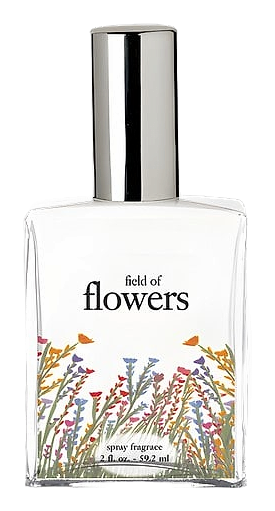
Philosophy introduced Field of Flowers in 2010 as part of an extended collection, Field of Flowers Orange Blossom, Violet Blossom, Magnolia Blossom, each a variation on the same idea. The concept was literal: a fragrance built from the experience of standing in a flower field, not from isolated notes extracted and reconstructed. Peony took center stage, a flower often relegated to supporting roles in other compositions. The green notes weren't filler, they were the stems and leaves that grounded the florals, keeping the whole thing from floating away into abstraction. Philosophy designed this for wearers who wanted floral without the performance.
What makes Field of Flowers work is the restraint. Peony can tip into something overly soft or almost plastic in poorly executed compositions, here, the green notes act as a corrective, keeping the floral honest. It's the difference between peony extract and peony in a garden: one is a single note, the other is the whole plant. The 2010 launch positioned it as an accessible everyday option within Philosophy's broader fragrance portfolio, part of a strategy to offer variations on recognizable themes rather than singular statement pieces.
The evolution
The opening arrives quickly, green and immediate, like cutting stems. Within minutes, peony takes over, soft and round without being saccharine. There's no sharp transition; the green notes don't disappear so much as deepen, becoming the underside of the florals rather than their counterpoint. By the second hour, Field of Flowers settles into something quieter, the peony rounds out, loses its edges, and what remains is that skin-warm floral quality that whispers rather than projects. On fabric, it lasts into evening. On skin, plan for reapplication after six hours if you want it to hold through dinner.
Cultural impact
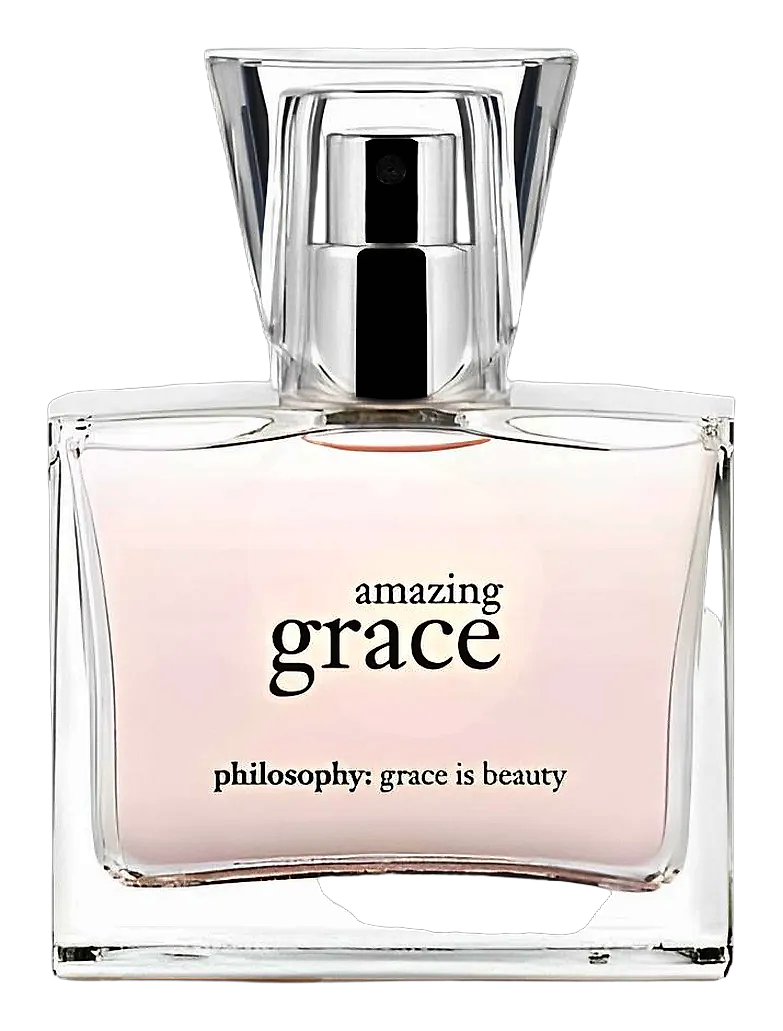
Field of Flowers never reached the iconic status of Pure Grace or Amazing Grace, but it carved out a quiet space as an approachable daily wear for those who wanted florals without statement power. Its discontinuation suggests it served a specific audience rather than a broad one, the wearer who wanted scent to be present but not announced.