
The Story
Why it exists.
The beginning
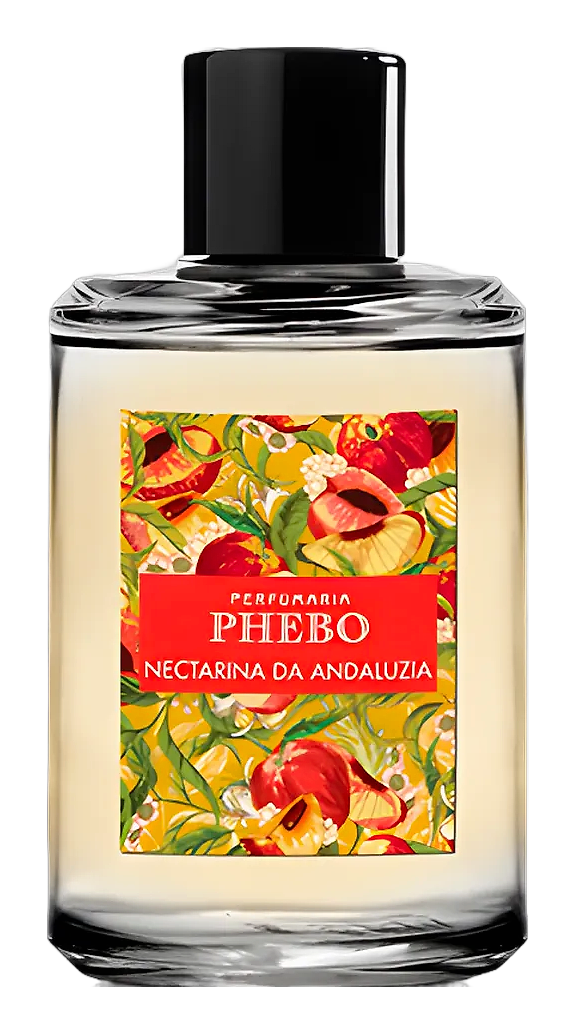
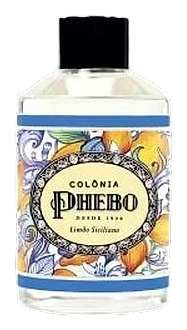
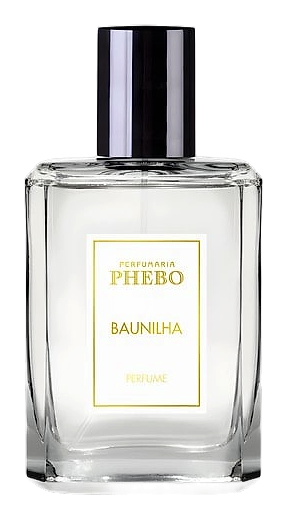
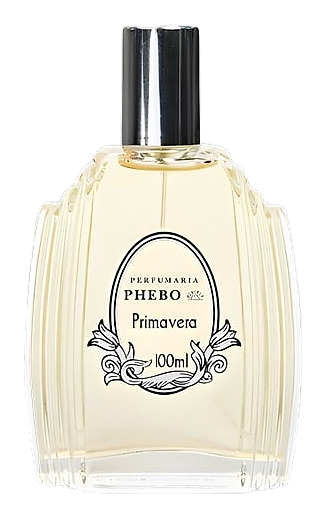
Primavera arrived in 2014 as part of Phebo's Perfumaria Fina collection, a Brazilian house reaching for something refined without shedding its roots. The name means spring in Portuguese, and the scent matches: bright, green, full of promise. Phebo built its catalog on Amazonian botanicals and classical French structure, and Primavera sits squarely in that tradition. A white floral built on citrus and cedar, designed to feel like morning light in the garden rather than a jungle expedition.
What makes Primavera interesting is its restraint. White floral fragrances often lean heavy, Tuberose Extrait territory, overwhelming at noon. Primavera counters that instinct with pink pepper and blackcurrant, keeping the florals from becoming dense. The cedar base anchors the composition without darkening it. The result is a scent that feels appropriately seasonal without disappearing into background noise. It wears like something considered, not compiled.
The evolution
The bergamot opens bright and stays bright for about fifteen minutes, a clean citrus kick that announces the fragrance without crowding the room. Then the lily of the valley arrives, green and delicate, followed closely by jasmine and orange blossom. The handoff is seamless. No gap, no awkward phase where the top notes die before the heart wakes up. The pink pepper is the tell, present but never sharp, adding a warmth that keeps the florals from reading as sweet. By hour three, the cedar and musk take over. The florals don't disappear; they deepen, settling close to the skin. The drydown lasts another two to three hours, skin-close and warm, the kind of scent someone notices when you're standing close. On fabric, it lingers until the next morning, faint, clean, present.
Cultural impact
Primavera sits in the accessible end of the white floral category, not entry-level, but not intimidating either. The citrus-spice opening makes it approachable for someone wary of heavy florals, while the heart holds enough complexity to reward repeat wearing. It occupies similar territory to fragrances like Lancôme Trésor or Narciso Rodriguez For Her, though with a greener, more restrained character. The 2014 launch placed it in a moment when Brazilian fragrance houses were gaining international attention, though Phebo remains under-the-radar outside its home market.