The Story
Why it exists.
The beginning
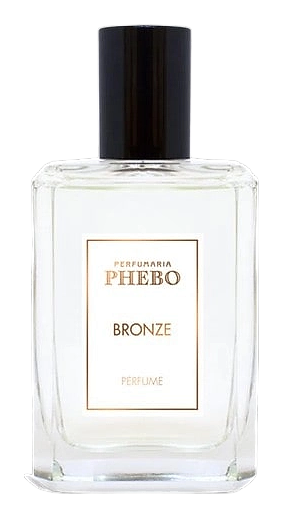
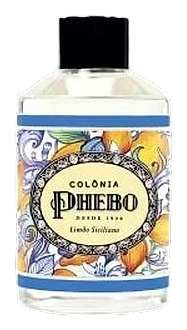
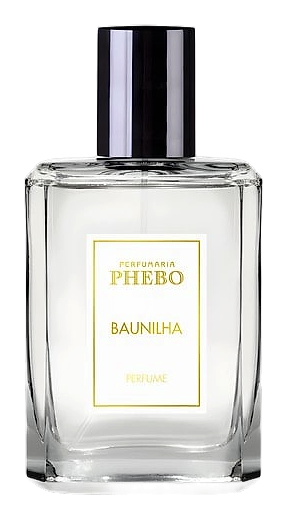
Baunilha means vanilla in Portuguese, simple enough. But Phebo built this scent for a specific kind of wearer: someone who wants warmth without weight, sweetness that doesn't announce itself. The 2015 launch came at a moment when powdery florals were making a quiet comeback, and the brand saw an opening. Not a statement fragrance. A companion scent, the kind you reach for when you want to smell good without effort.
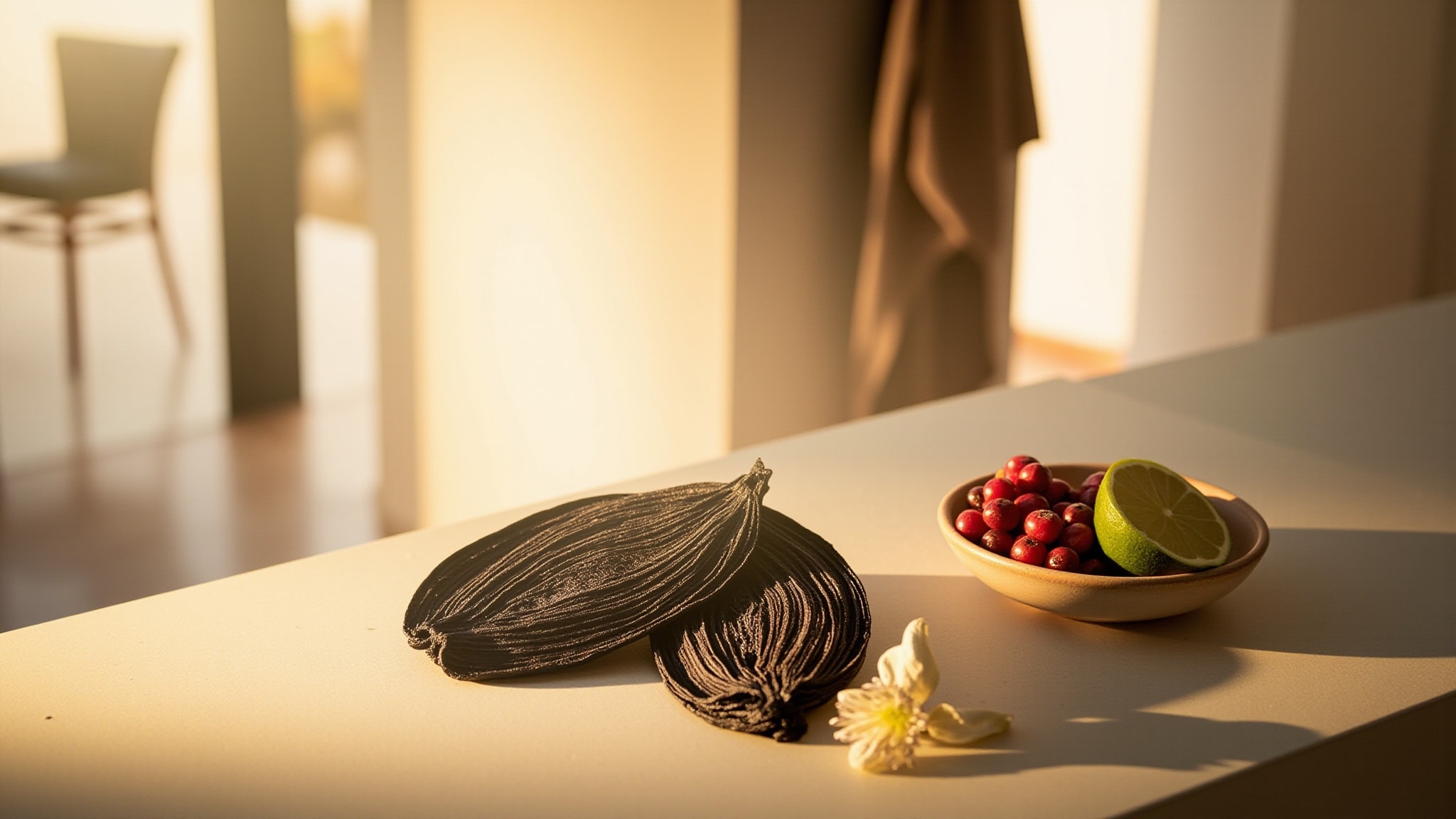
What makes the pyramid interesting is the hand-off between the citrus top and the powdery heart. Bergamot and lime give you maybe twenty minutes of brightness before the freesia and iris take over, and that transition is where Baunilha earns its name. The violet adds a waxy, slightly sweet depth that rounds the floral into something almost creamy. Then the benzoin arrives to anchor everything. It's the balsamic backbone that stops the powder from going too far into nostalgia.
The evolution
The opening hits with a tart-sweet citrus burst, lime and red fruits together, like someone squeezed fresh juice while you weren't looking. Bright, immediate, then gone within the hour. The heart takes over without drama. Freesia and iris arrive quietly, bringing that powdery quality that defines the fragrance. The violet adds a delicate, almost waxy sweetness that rounds the florals into something softer. By the third hour, the benzoin and vanilla are running the show. Warm, resinous, skin-close. The drydown stays close to the body, intimate rather than announcing. On fabric, the vanilla lingers into the next morning.
Cultural impact
Phebo's Baunilha became a best-seller in Paris through Granado Pharmácias, a Brazilian fragrance finding favor in one of perfumery's capitals. It found an audience among those seeking accessible, powdery-oriental comfort without the designer markup. The kind of fragrance that fragrance people recommend when someone asks for something warm and wearable.