
The Story
Why it exists.
The beginning
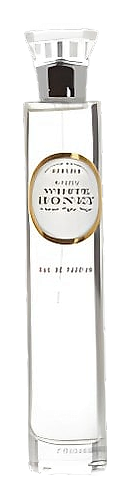
White Honey is Perlier's take on treating sweetness with intention. The fragrance draws on Mediterranean botanical traditions where honey is used as a genuine material rather than a fleeting note. The composition combines honey with white florals, opening with bright citrus fruit that immediately catches attention. The citrus and florals blend naturally, with the sweet warmth building gently beneath. Cedar provides a grounding element that keeps the composition balanced and honest. The overall effect is warm and inviting, a scent that feels comfortable and familiar without ever becoming predictable.
What makes this composition work is the way the honey behaves. Rather than arriving loud and announcing itself, it seeps in beneath the orange blossom and lily of the valley, quiet, golden, patient. The florals don't compete with it; they frame it. The citrus top notes (tangerine, lemon, pear) do the essential work of keeping the opening bright and tart, so the sweetness never turns cloying. Cedar in the base is the structural decision that holds everything together, smooth, warm wood that prevents the whole thing from drifting into softness. It's a composition that understands restraint.
The evolution
The opening is bright and immediate, raspberry sorbet and tangerine creating a lively first impression. Beneath the citrus sparkle, the florals begin to stir. The orange blossom has been building quietly underneath, growing in presence without ever announcing itself. The honey arrives next, not as a wave but as a warmth, slow and golden. It integrates into the composition rather than dominating it. As the fragrance develops, vanilla and cedar become more prominent. The cedar does something interesting: it smooths out, becoming less sharp and more creamy, like polished wood in afternoon light. The drydown lingers close to the skin through the evening, intimate rather than announcing. On fabric the next day, a trace of honey and cedar remains, quiet and warm.
Cultural impact
White Honey sits comfortably in the overlap between fruity-floral and gourmand. It is the fragrance someone reaches for when they want warmth without heaviness, sweet without syrup, floral without powder. The honey note serves as a key differentiator from more typical fragrance families. Rather than the loud amber of traditional orientals, or the heavy sillage of certain modern styles, this honey reads as approachable rather than performative. White florals provide delicate elegance while the honeyed warmth adds a sweetness that feels refined and nuanced, striking a balance that is increasingly hard to find in contemporary fragrance.