Raspberry sorbet
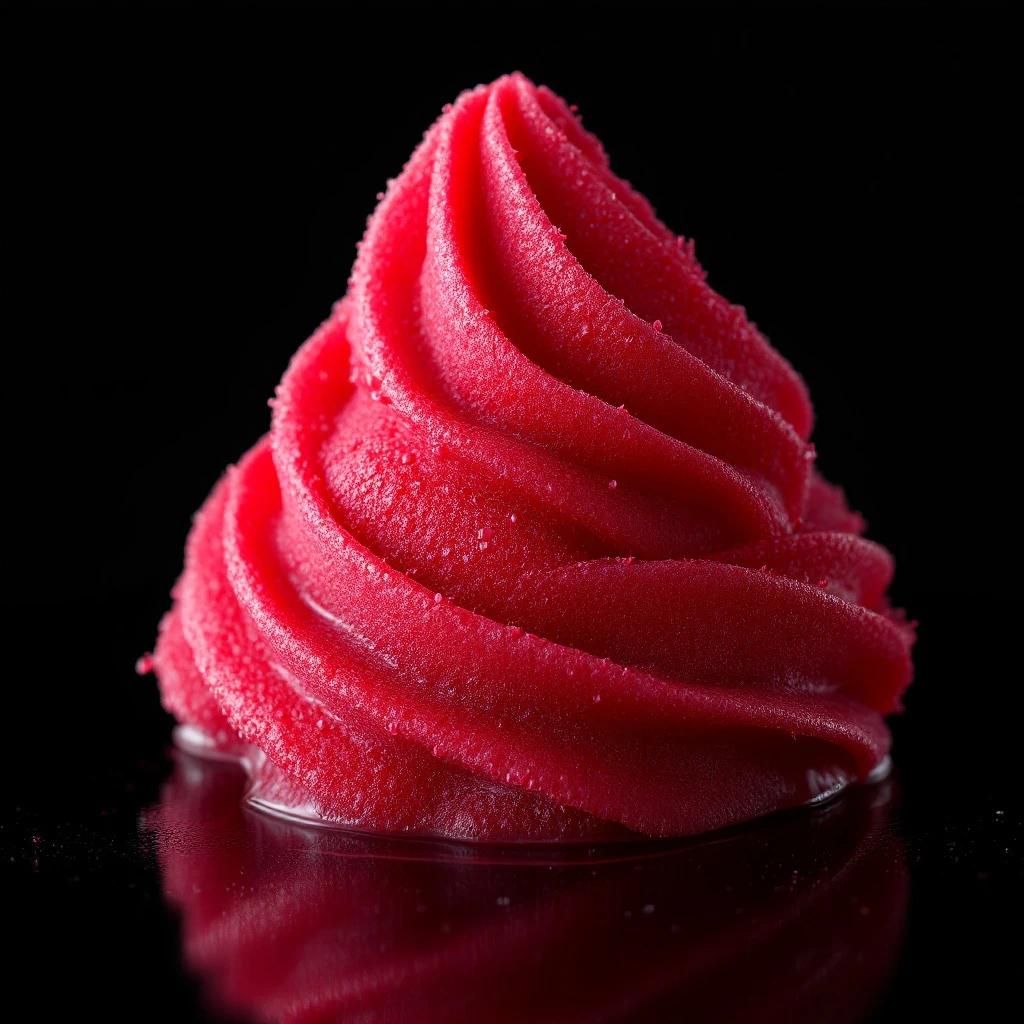
Raspberry sorbet captures the bright, jammy sweetness of ripe raspberries with a frosty, frozen dessert coolness. In perfumery, this note brings youthful energy and gourmand warmth, bridging fruity and floral compositions while adding a refreshing lift that makes fragrances feel lighter on the skin.
Character
How it smells
Bright berry sweetness meets frozen elegance in every spritz.
Raspberry ketone, the compound that gives raspberries their distinctive aroma, represents less than 1% of the fruit's weight, making it far more valuable than the fruit itself.







Origin
United States
Raspberries have occupied a curious position in perfumery's history: admired for their beauty and taste for centuries, yet largely absent from serious fragrance work until the twentieth century. Ancient Romans used raspberries medicinally and for flavor, but the fruit's delicate aromatic profile made it difficult to capture through the extraction methods available before modern chemistry.
The breakthrough came with the synthetic era of perfumery. As fragrance chemists learned to isolate and replicate individual aromatic molecules during the late nineteenth and twentieth centuries, raspberry became achievable, first as a simple fruity note and later as the more complex, multidimensional sorbet accord.
Today, raspberry ranks among the most popular fruit notes in new fragrance launches, appearing across genders and categories. The sorbet interpretation, which adds that distinctive frosty, frozen quality, emerged as perfumers sought to create lighter, more refreshing compositions during the 2000s and 2010s as consumer preferences shifted away from heavy, oriental-style fragrances toward something more transparent and everyday-wearable.
Wears it best
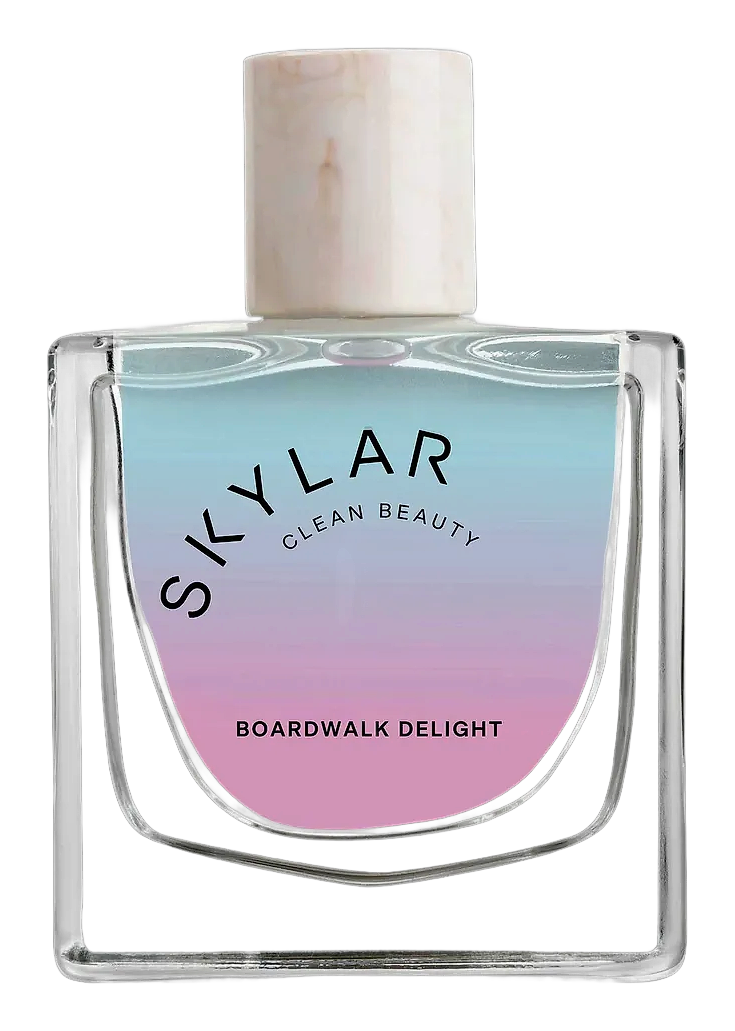
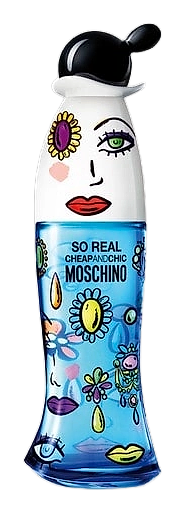
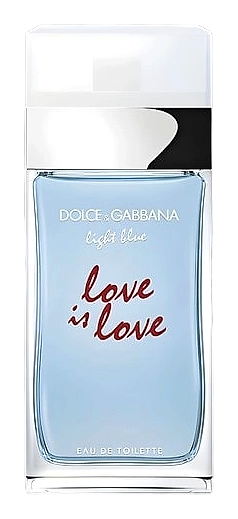
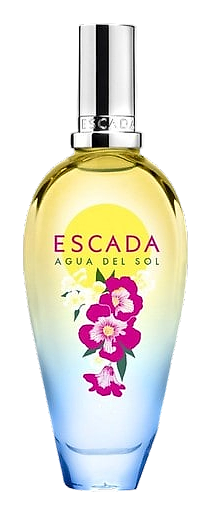
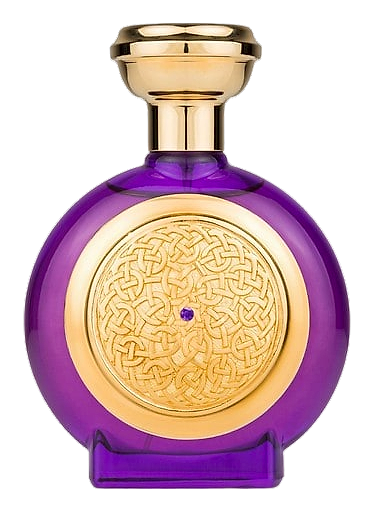
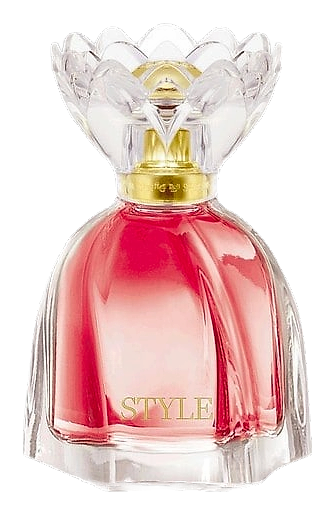
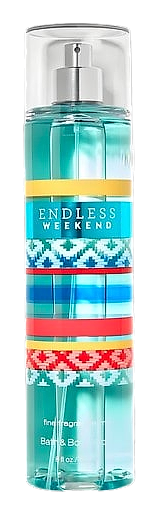
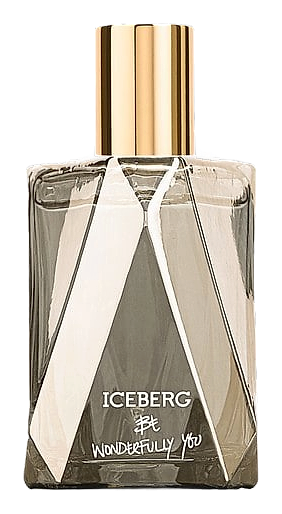
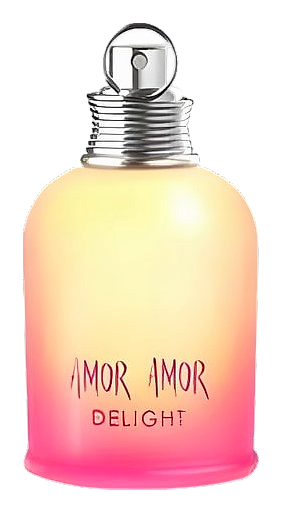
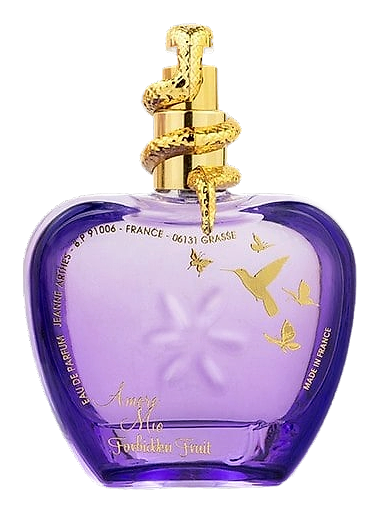
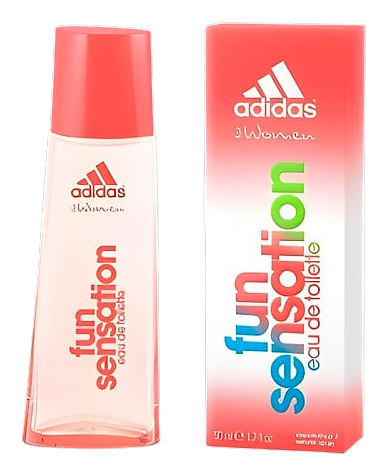
Fragrances featuring Raspberry sorbet
Brands
Brands known for Raspberry sorbet
Good to know
Questions, answered
The essentials on Raspberry sorbet in perfumery: how it smells, where it comes from, and how it behaves on skin.
What does Raspberry sorbet smell like in perfume?
Raspberry sorbet smells like the bright, jammy sweetness of ripe raspberries with a cool, frosty undertone. It combines the fruit's natural tartness with a clean, almost icy quality that evokes frozen dessert rather than fresh fruit. The effect reads as refreshing, youthful, and transparent on the skin.
Why is Raspberry sorbet used in perfumery?
Raspberry sorbet adds fruity brightness and a refreshing lift to fragrances without heaviness. It bridges the gap between gourmand and fresh categories, making compositions feel approachable and modern. This note has driven significant fragrance launches, with fruity variants growing by 23% in new perfumes over the past decade.
Is Raspberry sorbet in perfume natural or synthetic?
Raspberry sorbet in perfume is primarily synthetic. While natural raspberry ketone exists, it occurs at concentrations below 4mg per kilogram of fresh fruit, making natural extraction impractical for most fragrance applications. Modern raspberry sorbet accords are constructed from blends of esters, aldehydes, and pyrazines.
What famous perfumes contain Raspberry sorbet?
Raspberry sorbet appears in numerous contemporary fragrances including Chloe Eau de Parfum (which showcases raspberry prominently in its opening), Dior Miss Dior Blooming Bouquet (adding fruity brightness to its floral heart), and Viktor & Rolf Flowerbomb (contributing to its modern gourmand character). The note's versatility has made it a staple across many successful lines.
Is Raspberry sorbet a top note, heart note, or base note?
Raspberry sorbet typically functions as a top to heart note in perfumery. Its bright, volatile character means it registers most strongly during the first hour of wear, delivering immediate fruity impact. In some formulations with heavier base materials, the note may extend into the heart phase while remaining most prominent at application.
What notes pair well with Raspberry sorbet in perfume?
Raspberry sorbet pairs naturally with florals like rose, peony, and jasmine, which soften its edges and add elegance. It also complements citrus oils, bergamot, and green tea for a fresher effect, or vanilla, white musk, and amber for richer, sweeter compositions. The pairing depends entirely on whether the fragrance aims for airy or indulgent.
Where does Raspberry sorbet come from?
The raspberries used for natural ketone extraction in perfumery come primarily from Poland, the world's largest raspberry producer with annual harvests exceeding 100,000 metric tons. However, most raspberry sorbet notes are synthesized in European and American fragrance laboratories using carefully combined aromatic chemicals rather than grown raspberries.
Is Raspberry sorbet used in men's or women's fragrances?
Raspberry sorbet appears in both men's and women's fragrances, though usage patterns differ. It dominates in women's fruity-floral and fresh fragrance categories but has become increasingly common in gender-neutral and masculine compositions, particularly in aquatic, fougere, and modern chypre structures where it adds unexpected brightness and modernity.