The Story
Why it exists.
The beginning
Amor Amor Delight arrived in 2010 as a limited edition from Cacharel, part of the house's ongoing love affair with the Amor Amor line, which had been building romantic, accessible scents since the early 2000s. The brief this time was summer: bright, effervescent, uncomplicated joy in a bottle. Three perfumers worked on it, Anne Flipo, Véronique Nyberg, and Carlos Benaïm, and their collaboration produced something that felt like a cold drink on the hottest day of the year. The grapefruit opens sharp and clean, the kind of citrus that reads as optimism. Then the heart does what fruity hearts do: sweetens, softens, and makes everyone around you smile without knowing why.
What's interesting here is the pineapple skin note. Not just pineapple, the skin, the slightly tart edge of the fruit before you get to the sweet flesh. Combined with raspberry sorbet (the frozen, almost dairy-like cold sweetness of it), the heart avoids the generic tropical trap. It's fruit as sensation, not fruit as concept. The rose is the quiet anchor, Cacharel's signature move since Anais Anais, threading femininity through the sweetness without tipping into floral overload. The base is where Cacharel's democratic philosophy shows: amber and patchouli and musk, warm, familiar materials that make the scent feel approachable rather than precious. Not an ode to rarity. An ode to wearing it.
The evolution
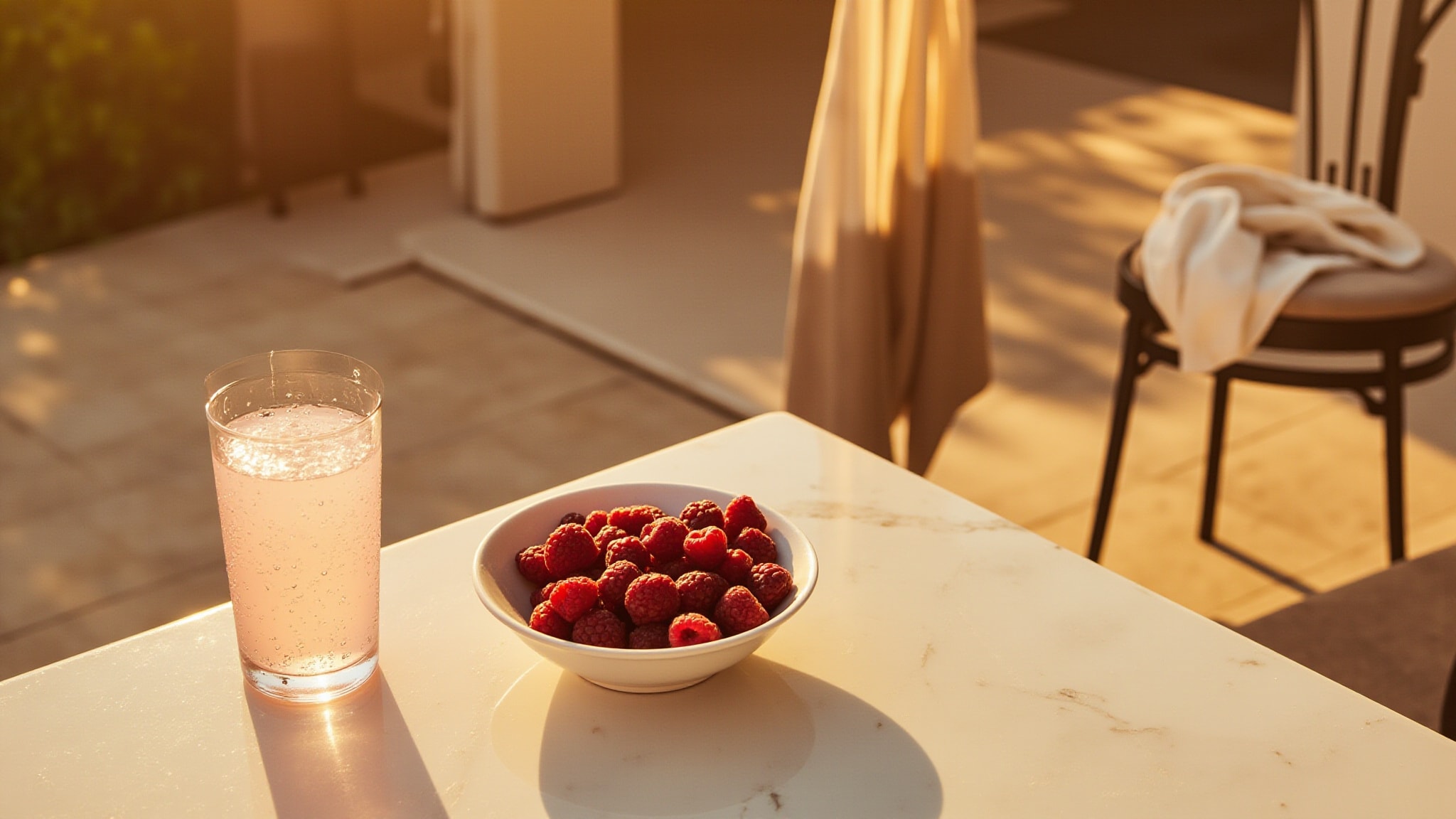
It opens bright. Grapefruit hits first, tart, citrus-punched, the kind of clean that smells expensive for about five minutes before the fruit moves in. Then the raspberry sorbet takes over. That cold, sweet, slightly frozen quality. Pineapple skin adds a tropical wink without going full piña colada. The rose arrives quietly, cushioning the sweetness so it doesn't cloy. An hour in, the grapefruit is gone but the raspberry lingers, softened by the rose. The base builds slowly: amber first, warm and honeyed, then patchouli grounding it, then musk settling close to the skin. By hour three, it's skin-warm and intimate, the kind of scent someone leans in to notice. Lasts four to six hours on most. Projects moderately, announces briefly, then stays close. This is a summer afternoon fragrance, bright at the start, warm by the end.
Cultural impact
Cacharel built its identity on accessible luxury and youthful optimism, beginning with the iconic 1972 Anais Anais launch that redefined what a fragrance could represent for a generation. The Amor Amor line, introduced in 2002, captured the energy of early-2000s youth culture with its fruity, optimistic DNA. Amor Amor Delight arrived in 2010 as a limited summer edition, positioned as a tropical evolution of that legacy. The 2010 launch aligned with Cacharel's broader strategy of seasonal limited editions that generated renewed interest in the brand without diluting core pillar products. The sunset-colored limited-edition flacon became a collector's item, representing Cacharel's commitment to fragrance as a sensory experience tied to memory and seasonality.