Pineapple Skin
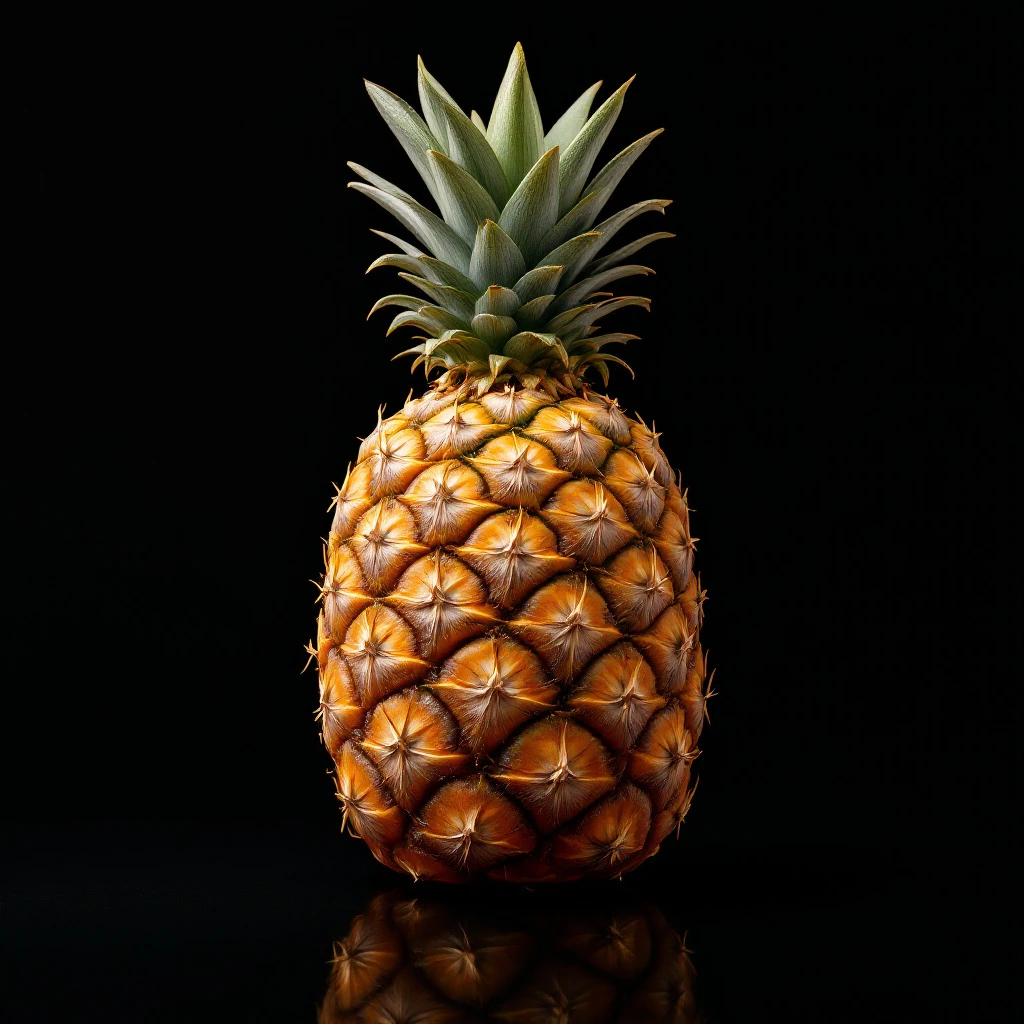
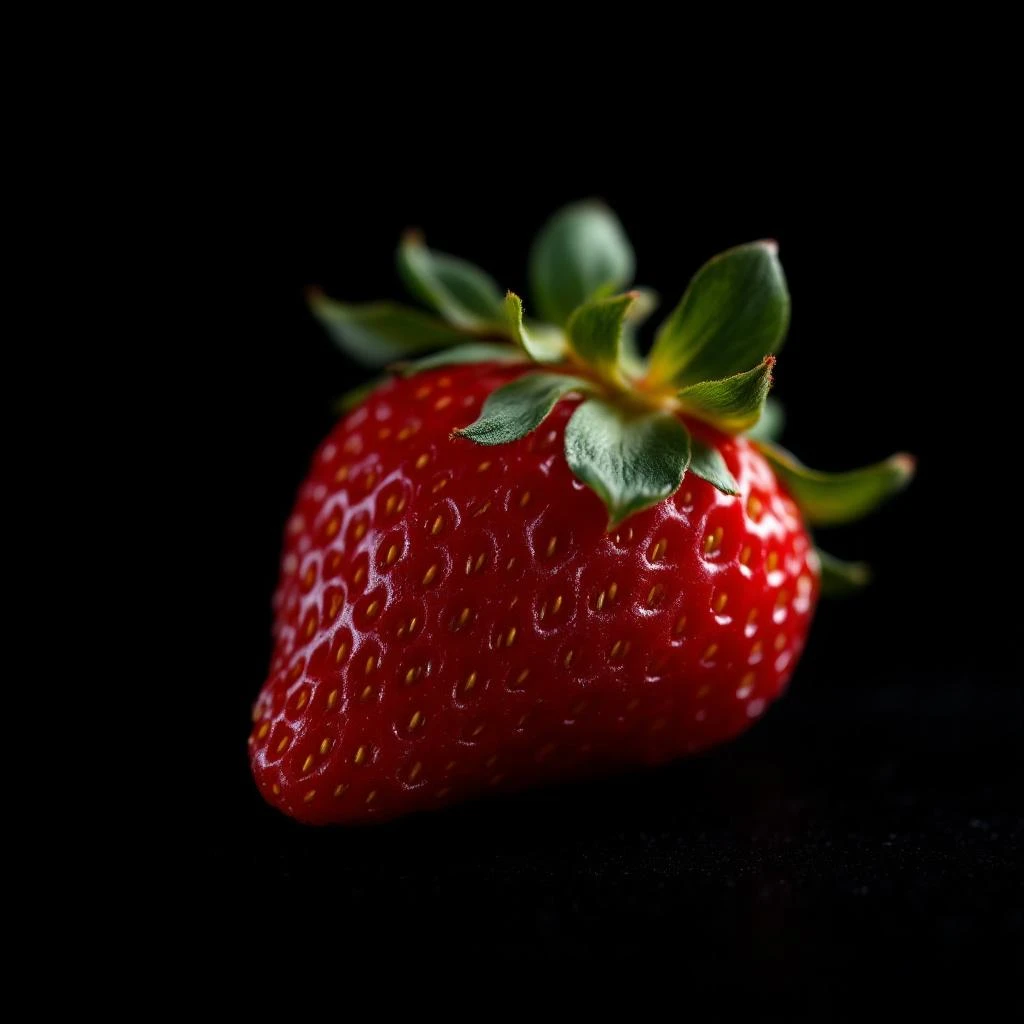
Fresh-cut pineapple with a waxy, green edge. Pineapple Skin captures the bright tartness of tropical flesh and the subtle bitterness of rind, a duality perfumers exploit for complexity and depth.
Character
How it smells
The tropical tang of flesh and the green bite of rind.
Over 300 volatile compounds create a pineapple's scent, yet perfumers distill its essence down to just a handful of key esters and aldehydes.




Origin
Brazil
Pineapple's olfactory history runs parallel to its spread across the globe. Native to South America, the fruit featured in indigenous cultures for centuries before European contact. Christopher Columbus encountered it in 1493 and brought it back to Europe, where its bold fragrance and flavor made it a sensation among royalty and aristocracy.
By the 1700s, wealthy collectors grew pineapples in elaborate stoves just to display them as status symbols. The fragrance industry took notice of this tropical icon, but replicating its complex scent required advances in organic chemistry that did not arrive until the 19th century. When scientists finally identified the key aromatic compounds in pineapple, perfumers gained access to a versatile accord that could evoke freshness, sweetness, and exoticism simultaneously.
The distinction between flesh and skin became a deliberate creative choice, with the green peel dimension adding contrast and realism to tropical fragrance compositions.
Wears it best
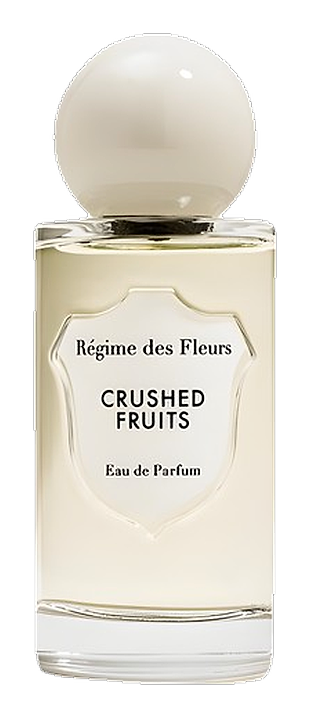
Fragrances featuring Pineapple Skin
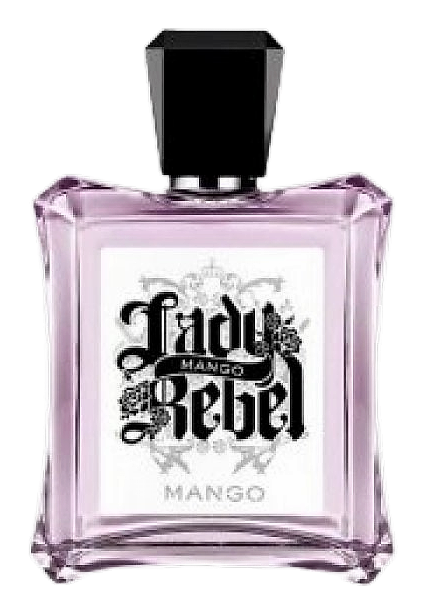
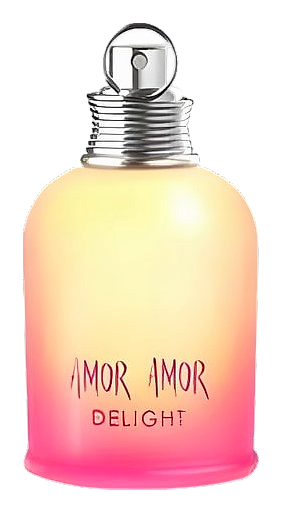
Brands
Brands known for Pineapple Skin
Good to know
Questions, answered
The essentials on Pineapple Skin in perfumery: how it smells, where it comes from, and how it behaves on skin.
Is pineapple used as a natural ingredient in perfumery?
Most pineapple fragrance is synthetic. The fruit's aromatic compounds do not survive conventional distillation. Perfumers instead combine aroma chemicals like ethyl butyrate and aldehydes to recreate the full pineapple effect, including the waxy skin dimension.
What does Pineapple Skin specifically add to a fragrance?
Pineapple Skin adds a green, waxy quality that contrasts with the sweet flesh note. This peel dimension provides tropical freshness, subtle bitterness, and structural complexity that makes the overall fruit impression feel more complete and realistic.
What aroma chemicals create pineapple's scent?
Ethyl butyrate drives the signature sweet juiciness. Methyl butyrate adds tart brightness. Aldehydes C-8 through C-12 introduce a metallic, waxy quality that mimics the peel's texture. Linalool and geraniol contribute subtle floral tropical undertones.
Can pineapple peel be used to make natural fragrance?
Researchers extract fragrance oils from pineapple peel using Soxhlet extraction and enzymatic hydrolysis. This process turns agricultural waste into usable material, though natural pineapple peel oil remains uncommon in mainstream perfumery.
Why do perfumers choose synthetic pineapple over natural extracts?
Synthetic reconstruction delivers consistency, potency, and the complete scent profile that natural extraction cannot achieve. It also avoids the spoilage and cost issues associated with fresh tropical fruit in commercial fragrance production.
What does pineapple smell like in fragrance?
Pineapple in fragrance combines juicy sweetness, tropical florals, and a metallic tang. The note often reads as fresh and bright rather than just sweet. In tropical accords, it blends with coconut, mango, and passion fruit for a full exotic effect.
How do perfumers build the pineapple accord?
Perfumers layer esters and aldehydes for precision. Ethyl butyrate provides the sweet base. Aldehydes add waxy complexity. Trace tropical elements round the accord. The "skin" quality comes from higher aldehyde levels, giving the note a green, slightly bitter edge.
Where does pineapple originate botanically?
Pineapple (Ananas comosus) originates from the tropical regions of South America, specifically Brazil and Paraguay. It spread through indigenous trade routes across the continent long before European contact. Spanish and Portuguese explorers then distributed it globally from the 1500s onward.