Raspberry Seed
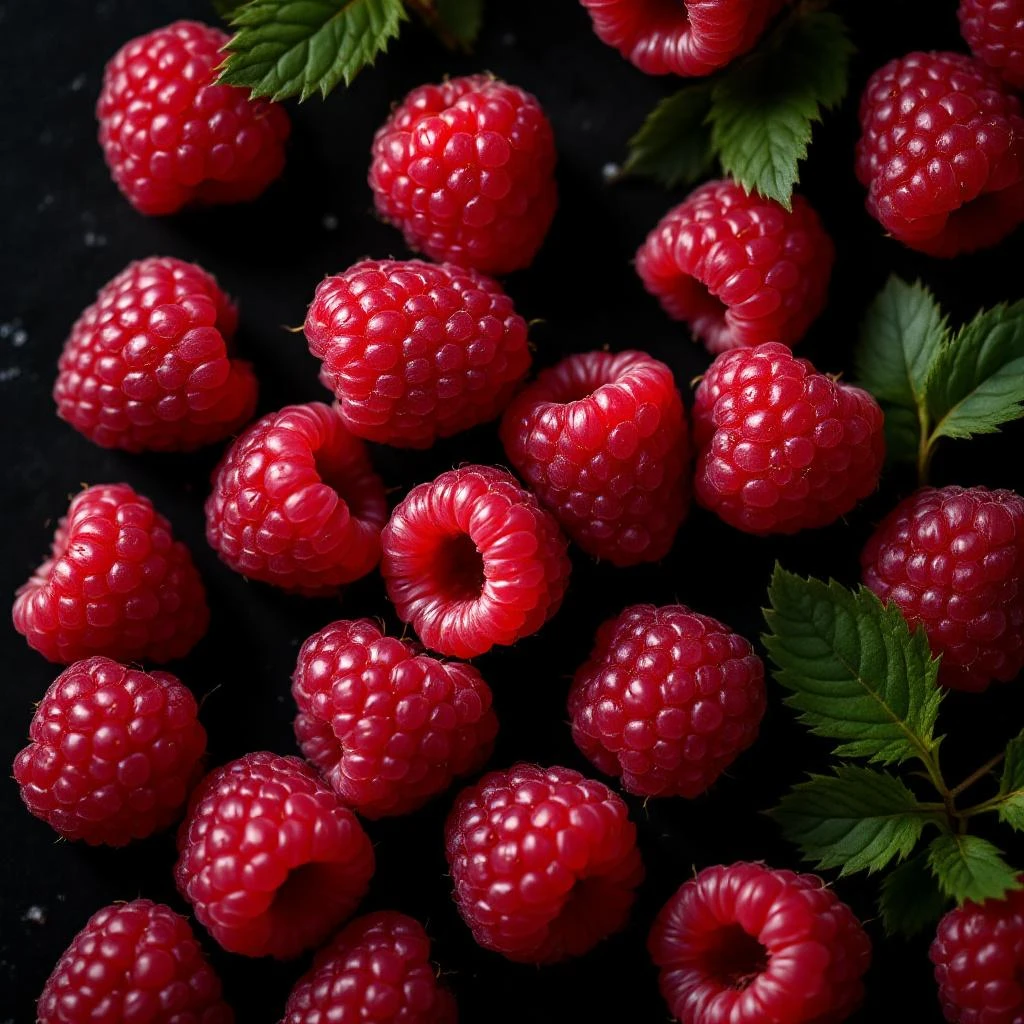
Cold-pressed from the seeds of Rubus idaeus, raspberry seed oil brings a subtle, nutty-berry warmth to perfumery. It grounds bright fruit notes and adds a sophisticated finish that feels unexpectedly refined.
Character
How it smells
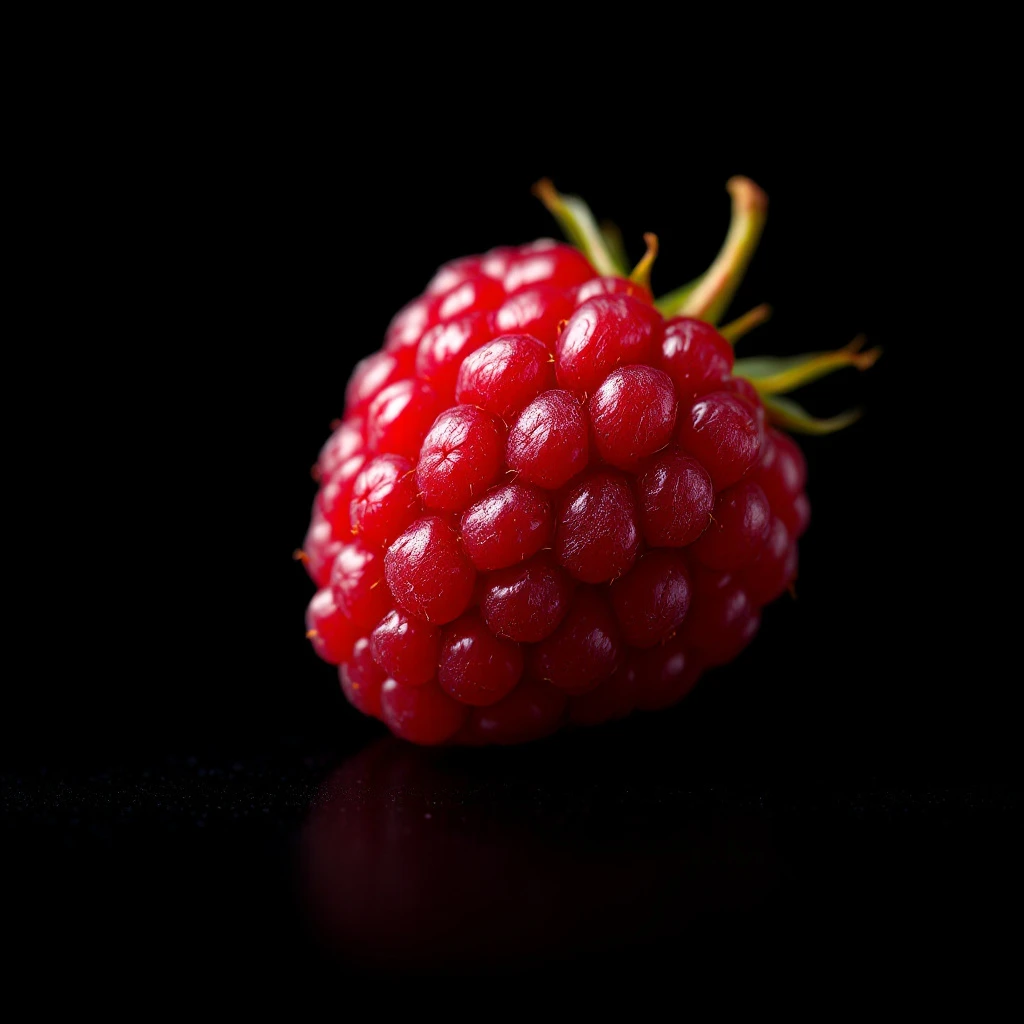
Subtle berry warmth from tiny seeds
A single raspberry contains roughly 100 to 120 seeds, yet each seed yields only trace amounts of usable oil through cold-pressing.


Origin
Poland
Rubus idaeus, the European red raspberry, has grown wild across temperate Europe and Asia for centuries. While apothecaries historically prized raspberry leaves and fruit for medicinal preparations, perfumers showed limited interest in the seed until modern extraction techniques emerged in the late 20th century. The United States and Poland now lead commercial raspberry cultivation, with Poland recognized as Europe's largest producer.
Fragrance houses began incorporating raspberry seed oil primarily for its fixative properties and subtle fruity undertones rather than dominant berry impact. Today, it serves a quiet supporting role, adding realistic depth to berry and stone fruit accords that synthetics alone cannot replicate.
Wears it best
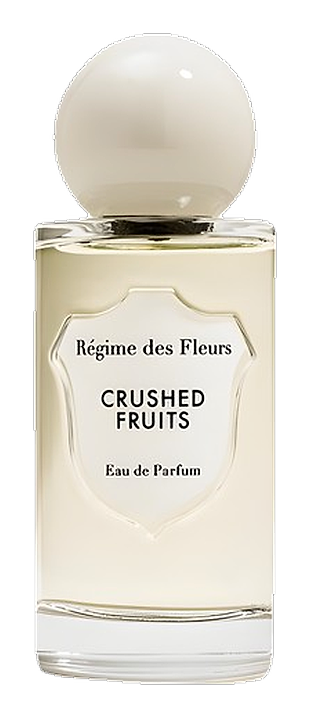
Fragrances featuring Raspberry Seed
Brands
Brands known for Raspberry Seed
Good to know
Questions, answered
The essentials on Raspberry Seed in perfumery: how it smells, where it comes from, and how it behaves on skin.
Is raspberry seed oil used for its scent or its functional properties in perfume?
Both. The oil provides a subtle nutty-berry warmth that enriches fruity fragrance accords, while its fatty acid content acts as a natural fixative that slows fragrance evaporation.
Does raspberry seed oil smell like fresh raspberries?
No. The oil smells faintly sweet and nutty with a gentle fruit undertone. Fresh raspberry aroma comes primarily from synthetic esters like ethyl hexanoate.
What makes raspberry seed oil unusual among fragrance ingredients?
Each tiny seed contains so little oil that commercial production requires substantial quantities of seeds, making it a relatively scarce natural material compared to other fruit-derived ingredients.
How does raspberry seed oil perform in fragrance formulations?
It works best as a supporting note that grounds top fruity accords. The oil adds realism and depth without overpowering lighter berry or citrus elements in a composition.
Is raspberry seed oil considered natural or synthetic in perfumery?
It is fully natural, extracted from seeds of cultivated raspberries. However, perfumers typically combine it with synthetic raspberry materials to achieve the recognizable berry scent consumers expect.
Which fragrance families use raspberry seed oil most frequently?
Fruity, gourmand, and fresh floral compositions most commonly incorporate this material. It appears in both feminine and gender-neutral fragrances that feature bright berry openings.
How does raspberry seed oil differ from raspberry ketone in perfumery?
Raspberry ketone is a single synthetic molecule that delivers intense fruity scent. Raspberry seed oil is a complex natural material with milder aroma but richer textural qualities and fixative benefits.
Where are raspberry seeds for oil production sourced?
Commercial production relies on seeds from processed raspberries, primarily from Poland and the United States, where raspberry cultivation for food markets generates abundant seed byproducts.