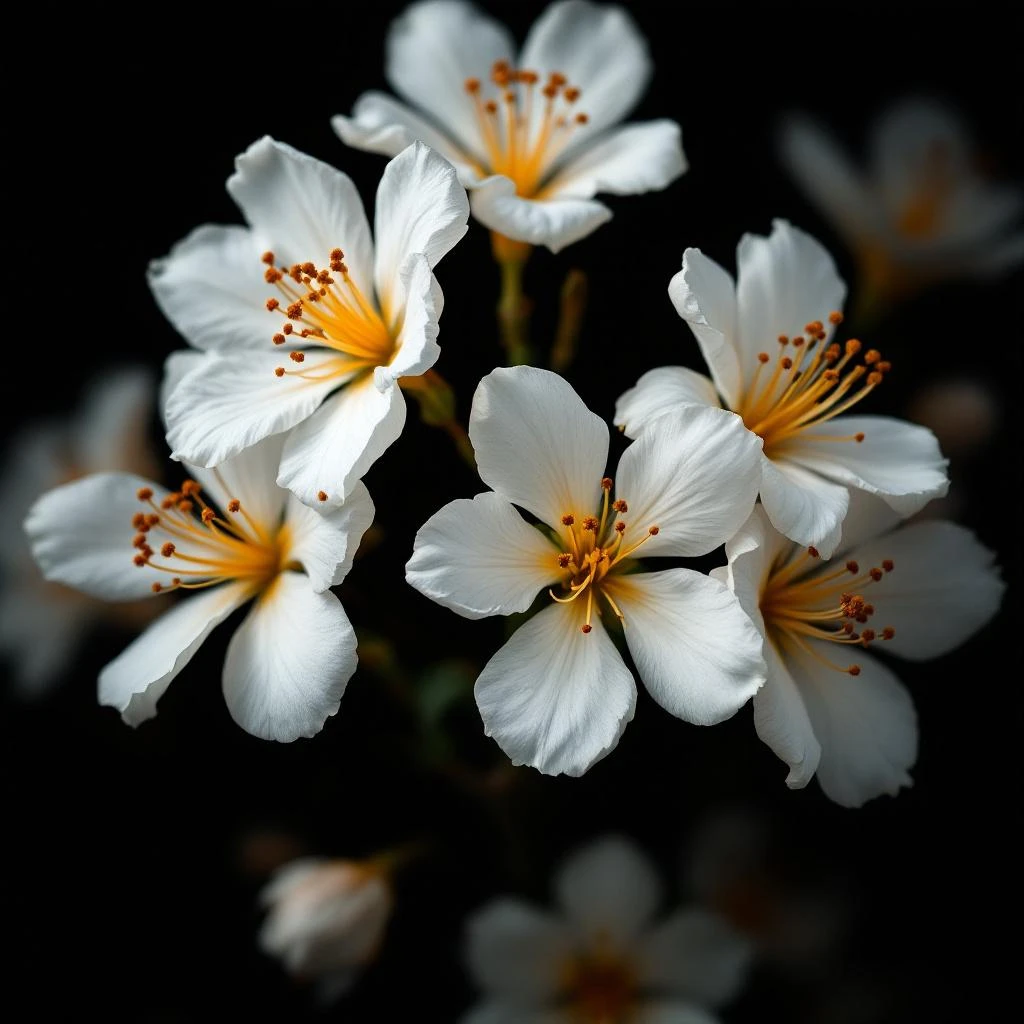
Bitter Orange Tree
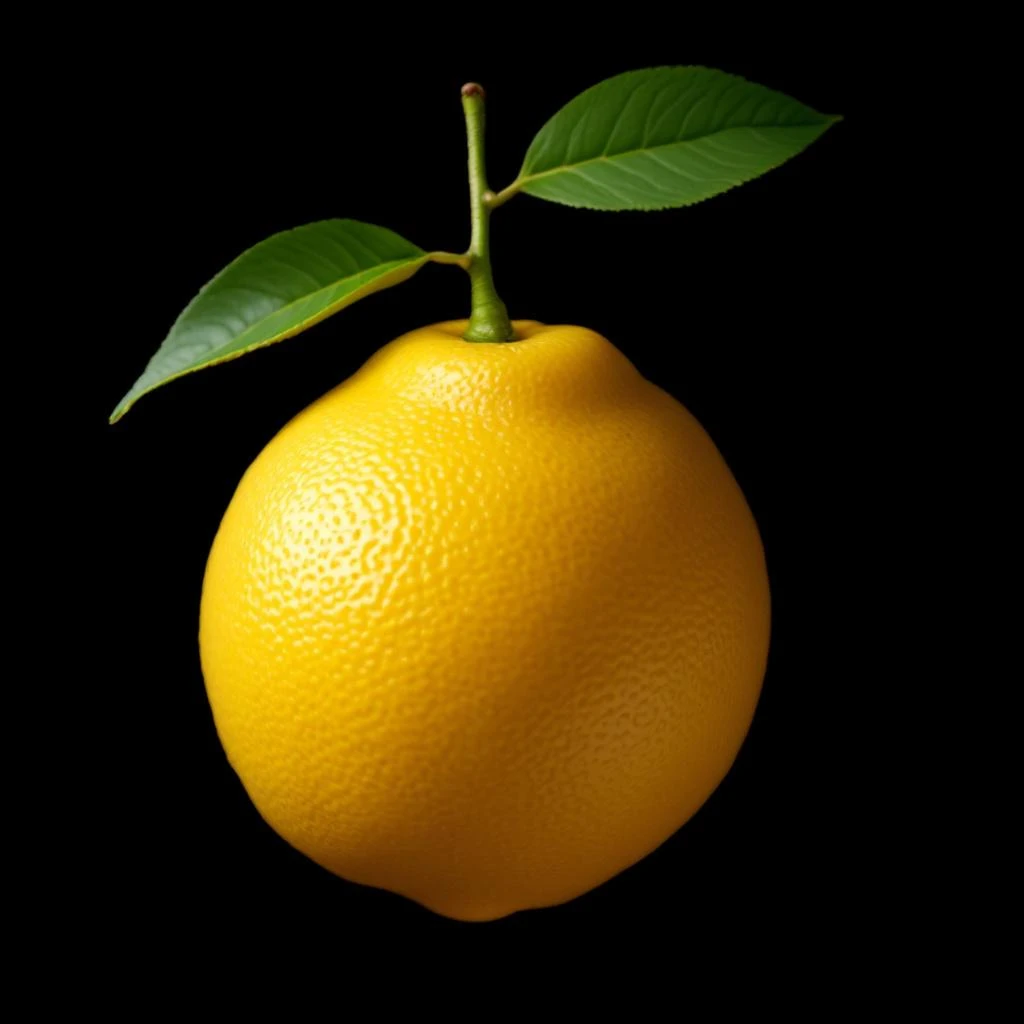
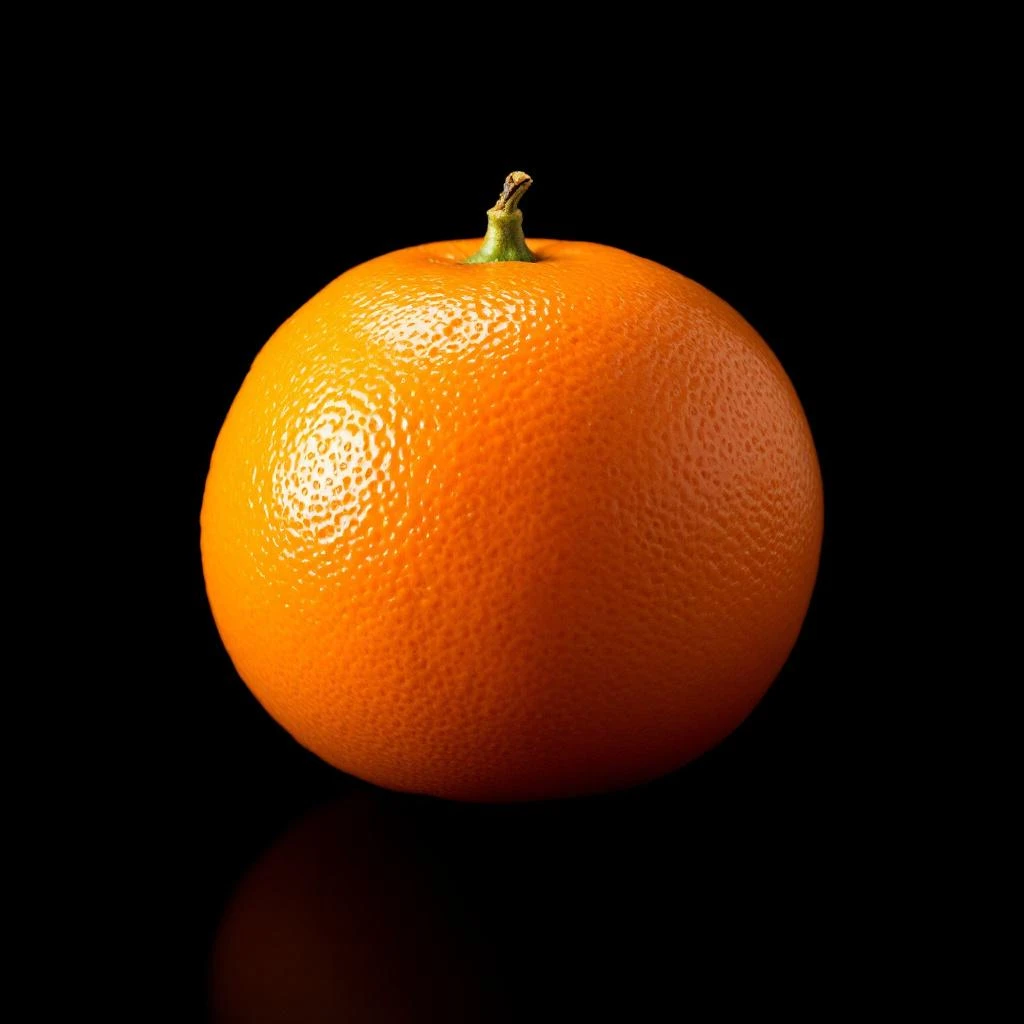
Bitter orange yields three distinct aromatic materials from a single tree: petitgrain from the leaves and twigs, neroli from the blossoms, and orange blossom absolute from the flowers. Each carries its own character, yet all share the same green, sunny soul.
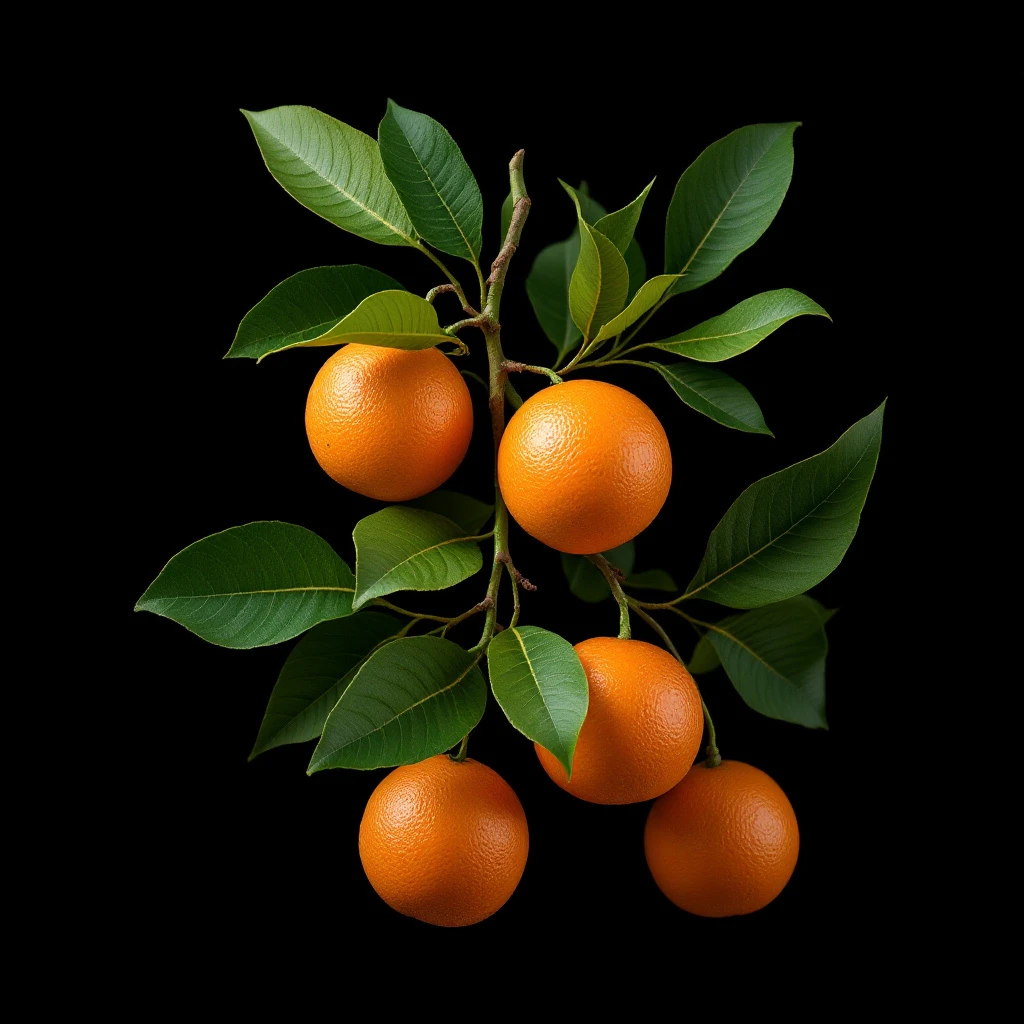
Character
How it smells
One tree. Four aromatic souls.
Neroli oil takes its name from an Italian princess, Anne-Marie de La Trémouille, who in the 17th century popularised the fragrance in Paris society.


Origin
China
Bitter orange travelled a long path before becoming a perfumery staple. First domesticated in China, the tree spread to India, Syria and Egypt before the Crusaders introduced it to the Mediterranean. By the 16th century, Seville had become its European heartland, and the bitter orange trees lining the city's courtyard gardens became a defining image of Andalusian fragrance culture.
The orange blossom water of that era was both a perfumery ingredient and a practical scent worn in court. French and Italian distillers standardised the production of neroli by the 17th century, and it quickly became a cornerstone of the newly codified Eau de Cologne formula.
Wears it best
Fragrances featuring Bitter Orange Tree
Brands
Brands known for Bitter Orange Tree
Good to know
Questions, answered
The essentials on Bitter Orange Tree in perfumery: how it smells, where it comes from, and how it behaves on skin.
What products does the bitter orange tree yield for perfumery?
The tree yields three aromatic materials: petitgrain from the leaves and twigs, neroli from the distilled blossoms, and orange blossom absolute via solvent extraction. Each material carries a distinct character, from green and bitter to radiant and floral.
Where does neroli oil originate?
Neroli is produced primarily in Italy, Spain, Morocco and Tunisia. The Mediterranean climate provides ideal growing conditions, and Moroccan and Tunisian productions have long supplied the global fine fragrance industry with consistent quality.
How is neroli oil extracted from the blossoms?
Neroli is extracted by hydro-distillation, soaking the freshly picked blossoms in water and then applying gentle heat. The steam carries the aromatic compounds upward where they condense and separate from the water, yielding the essential oil.
What does bitter orange smell like?
The profile shifts by material. The peel offers a tart, zesty citrus; petitgrain adds a green, slightly bitter intensity; neroli brings radiant white-floral warmth with honeyed edges. Combined, they read as sunny, fresh and undeniably complex.
What is orange blossom absolute?
Orange blossom absolute is produced by volatile solvent extraction of the bitter orange flowers. It captures a deeper, more animalic dimension of the blossom than neroli, with a rich, indolic character that adds body and persistence to fragrance compositions.
Is bitter orange used in men's or women's fragrances?
Bitter orange materials are entirely gender-neutral in modern perfumery. Neroli and petitgrain appear in masculine colognes, feminine florals and unisex compositions with equal frequency, valued for their brightness and versatility.
What is the historical origin of bitter orange?
Bitter orange (Citrus aurantium) was first cultivated in China and spread along ancient trade routes to India, Syria and Egypt. Crusaders brought it to the Mediterranean, where it became firmly established in Spain and Italy by the Renaissance.
Why is bitter orange important in perfumery?
A single tree provides three aromatic materials, each offering a different facet of citrus and floral character. This versatility, combined with the quality of neroli and orange blossom absolute, makes bitter orange one of the most multi-dimensional ingredients in the perfumer's palette.