
The Story
Why it exists.
The beginning
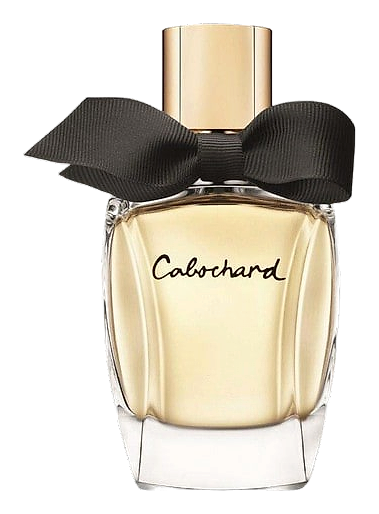
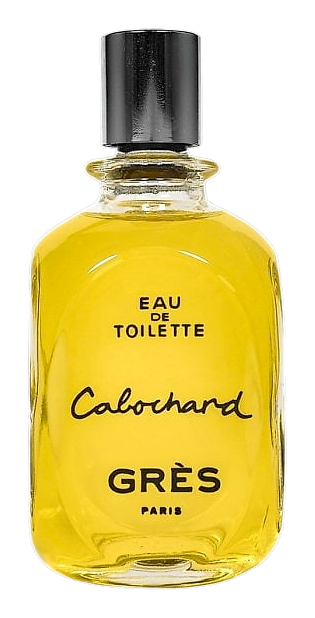
Bernard Chant composed Cabochard in 1959 for Parfums Grès, and the name itself is the brief. Cabochard is French for stubborn, obstinate, the kind of refusal that doesn't announce itself so much as refuse to leave. Madame Grès designed the bottle, and the fragrance that lives inside carries an architecture of its own: a chypre built on contrast from the aldehydes up. Aldehydes open cold and bright, then sage and asafoetida drag the temperature down further, into herbal, almost mineral territory. The heart blooms anyway, but it's a controlled bloom: rose and jasmine and ylang-ylang arranged like a structured collar, not a cascade. There's geranium and orris threaded through the middle as well, lending a green and powdery facet that keeps the florals from drifting into sweetness.
The asafoetida is the unusual tell. Where many classic chypres reach for citrus and oakmoss to build their framework, Chant turned to a resinous, almost onion-like bitterness that reads as confidence on skin. Pair it with tarragon, another sharp herbal outlier, and the opening refuses to behave like a polite floral entry. There's something savory in the first minutes that borders on confrontational, a funk that polarizes wearers and admirers alike. Coconut appears in the base, listed among the deeper notes alongside leather, tobacco, and oakmoss.
The evolution
The opening is almost confrontational. Aldehydes flash cold and metallic, sage cuts in green and astringent, and asafoetida adds that strange savory funk that some people love and some people flinch from. It smells like a clean room that someone's been thinking hard in. The citrus oils underneath keep it from going grim, but they don't soften the edges, they just lift them. Bergamot and the brighter oils add lift without warmth, a brightness that catches light but never melts. Then the florals arrive, and this is where the composition earns its reputation. Rose, jasmine, geranium, orris, ylang-ylang, all at once, but compressed rather than sprawling. It reads as a single floral gesture, not a bouquet. The sharpness from the opening hasn't entirely left; it lingers beneath, an undertow that keeps the florals from tipping into prettiness.
Cultural impact
Cabochard sits in a small, stubborn category of late-1950s chypres that still read as wearable today. It carries the reputation of a fragrance that rewards patience and repays attention. Wearers tend to describe it as the scent of someone who has never needed permission to take up space, a composition that announces itself through structure rather than volume. It has aged into a reference point: when writers and enthusiasts discuss what a chypre can be at its most disciplined, Cabochard comes up. The fragrance holds its place in vintage collections and perfume history courses alike, treated as a touchstone for the form.