The Story
Why it exists.
The beginning
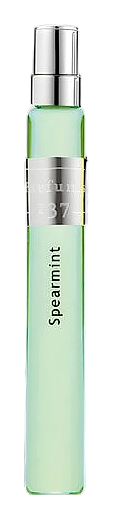
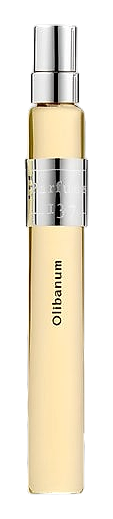
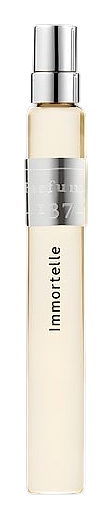
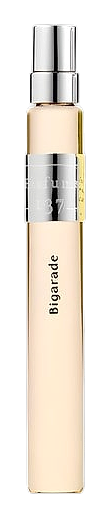
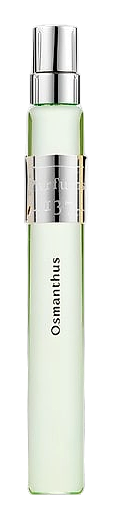
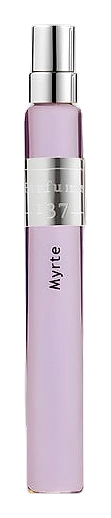
Myrte arrived in 2013 as part of Parfums 137's founding catalogue, a house that believed a fragrance could reveal its character when stripped of unnecessary layers. The brand's first year brought six single-note studies: Olibanum, Immortelle, Bigarade, Osmanthus, Myrte, and Spearmint. Each one framed as a meditation on a single botanical. Corinne Cachen worked with myrtle harvested from the Italian Mediterranean coast, collected early morning to preserve the volatile compounds that give the plant its distinctive green clarity. The idea was simple: let the ingredient speak, and trust the wearer to listen.
Myrtle has been carrying meaning for centuries, dedicated to Aphrodite in Greek mythology, woven into bridal wreaths from the Mediterranean to Eastern Europe, a symbol of virginity and love that lasts. That mythological weight is part of why the note resonates beyond its olfactory character. It's not just green; it's green with history. In the Parfums 137 composition, that heritage is honored without being invoked directly. The myrtle leads because it earned the position. Everything else, the thyme, the orange, the eventual amber and vanilla, supports rather than competes. It's a composition that trusts silence between the notes.
The evolution
The opening hits within seconds: myrtle and thyme, green and herbaceous, with a flicker of orange that catches the light. It's clean without being clinical, the kind of clarity that feels intentional, not economical. Around the twenty-minute mark, the heart takes over. The jasmine and cedar arrive together, the resinous depth of labdanum pulling them toward something warmer and more textured. The green myrtle doesn't disappear, it recedes, becoming a quiet baseline rather than the headline. The drydown is where Myrte earns its keep. Amber and vanilla settle close to skin, soft and powdery, with a musky warmth that lingers without projecting. Four to six hours on most skin types, closer to skin than room on the sillage. The next morning there's a trace, amber and something faintly sweet, like the memory of a scent rather than the scent itself.
Cultural impact
Myrtle has held sacred significance across Mediterranean cultures for millennia. In ancient Greece, it was dedicated to Aphrodite and used in wedding garlands and temple rituals. The Romans carried myrtle branches as symbols of authority and love. In perfumery, myrtle has been a cornerstone ingredient in fragrances from Grasse since the 18th century, particularly in compositions celebrating the flora of the French Riviera. Parfums 137's 2013 release honors this lineage by returning to single-note simplicity, a philosophy echoing the apothecary traditions where myrtle was valued as much for its aromatic properties as for its historical weight.