The Story
Why it exists.
The beginning
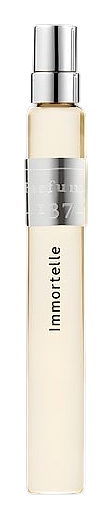
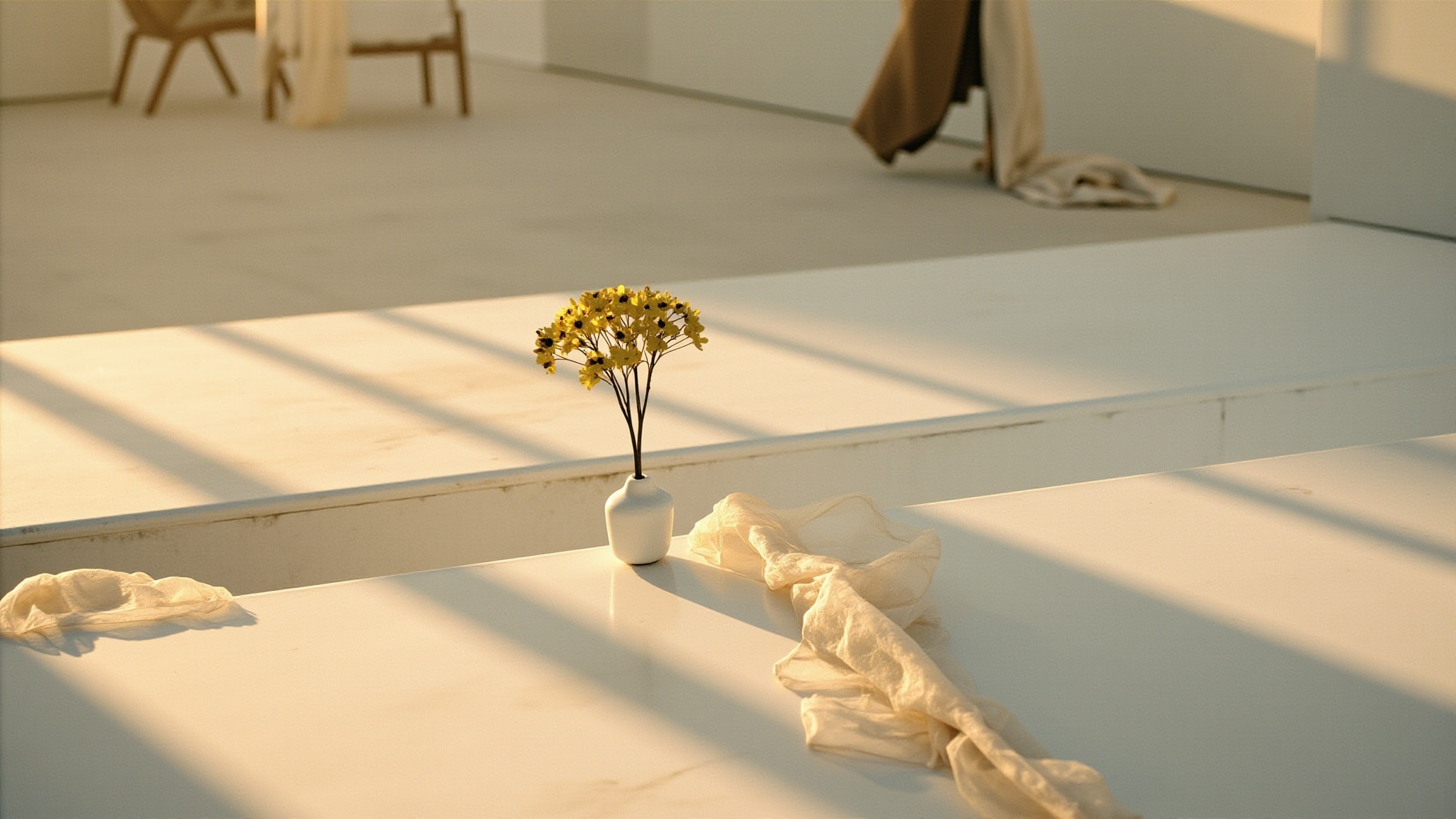
Immortelle, the flower that never dies, was the starting point. Parfums 137 built this composition around a single botanical contradiction: a flower picked and dried that somehow stays alive on the stem, holds its shape, keeps its color long after it should have surrendered to time. That permanence translates into a fragrance that holds its shape on skin, not a passing impression, but a stay. The immortelle flower, with its curious resistance to decay, gave the house its central metaphor and its material.
What makes the composition interesting is what it refuses to do. Most fragrances move toward warmth. Immortelle opens with brightness instead, the citric humidity of tropical flowers in warm air, then spends the rest of its life becoming what it promised from the beginning. The mimosa and ylang-ylang in the heart add a soft, powdery depth to the florals, a creamy richness that lingers at the edge of perception, but the composition doesn't linger there. By the time you reach the drydown, only the immortelle and amber remain, and they remain for hours.
The evolution
The opening is immediate: humid, strong, almost startling. Gardenia and lemon blossom arrive together, the lemon blossom adding a green, citrusy edge that keeps the gardenia from becoming too heady, too sweet. The effect is tropical, flowers scenting warm air, and it stays in this bright phase for thirty minutes, maybe forty-five on dry skin. Then the florals deepen, mimosa and ylang-ylang arriving softly, adding a creamy, slightly powdery layer that feels like a pause, a breath. But this phase is brief too. The immortelle, the flower that never dies, arrives quietly and doesn't leave. The amber anchors it. What follows is warm, close, and persistent, the kind of drydown that stays intimate and near the skin for hours, arriving as a quiet statement rather than an announcement.
Cultural impact
Immortelle arrived as the house was establishing its voice, a period when independent perfumers were quietly exploring creative territories outside the major houses. The immortelle concept resonated with those who found it: a flower that never fades, translated into something you wear close to the skin. The herbal quality that runs through the composition as a dominant accord attracts a specific kind of wearer, someone drawn to dry, botanical warmth rather than sweet florals or gourmand comfort. Among those who appreciate this particular quality, the fragrance has earned a quiet, lasting reputation.