
The Story
Why it exists.
The beginning
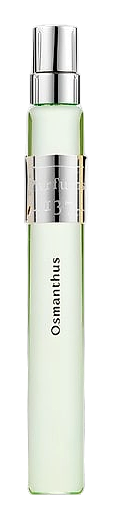
Isabelle Maillebiau designed Osmanthus for Parfums 137's 2013 debut collection, positioning it as a study of a single botanical, part of the house's founding philosophy to strip fragrance down to its essential material. The brief was clear: honor the flower itself, not the sweet potpourri version of it. Maillebiau built the composition around osmanthus absolute, using apricot to translate the flower's characteristic fruity warmth and ivy to preserve the green, almost dewy quality of the living plant. The result is an osmanthus that reads as authentic rather than decorative, closer to walking through a garden at dawn than smelling dried petals in a bowl.
The apricot note here is doing something unusual. Most osmanthus fragrances lean heavily into the flower's fruity character and call it done, making apricot feel more like a jam than a flower. Maillebiau's approach is different: she lets the green notes, ivy and lily of the valley, anchor the composition, keeping the apricot in check. The jasmine adds warmth without sweetness, and the sandalwood-patchouli base extends the apricot's golden quality into something woodier, more grounded. The osmanthus doesn't disappear; it just stops trying too hard. That's the craft.
The evolution
The opening is green and cool, ivy and lily of the valley create that dewy, cut-stem freshness, with bergamot lifting it slightly. No fanfare. About thirty minutes in, the osmanthus arrives: warm, apricot-forward, true to the flower but not syrupy. The jasmine appears midway, adding a floral roundness. The green never fully leaves, it breathes underneath. Over the next several hours, patchouli and sandalwood take over, turning the apricot warmth into something woodier, creamier. The drydown is quiet. Moderate sillage means this stays close to the skin. The next morning, there's a faint trace of sandalwood and patchouli on fabric, soft, clean, lasting.
Cultural impact
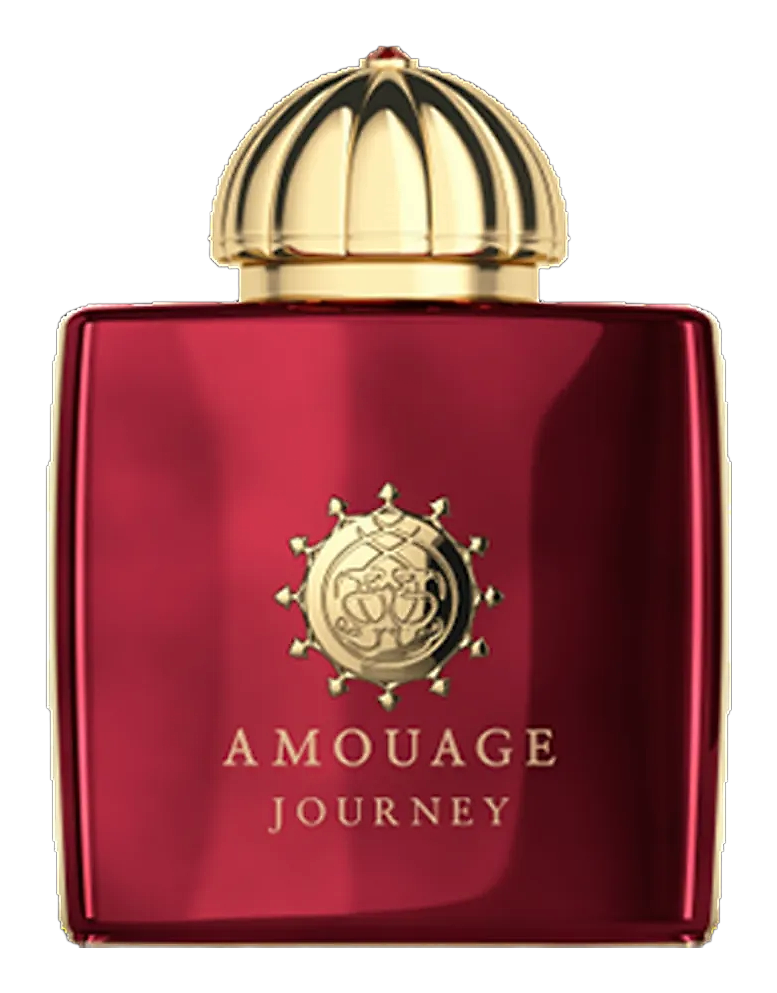
The osmanthus fragrance has carved a quiet space among enthusiasts who seek the flower without the potpourri. It appeals to collectors drawn to the Parfums 137 philosophy, those who value single-note clarity over performative complexity. The moderate sillage is a feature for this audience: fragrance as personal discovery rather than public announcement. It sits alongside compositions like En Passant and Amouage Journey Woman in spirit, though it stands apart in its green restraint.