
The Story
Why it exists.
The beginning
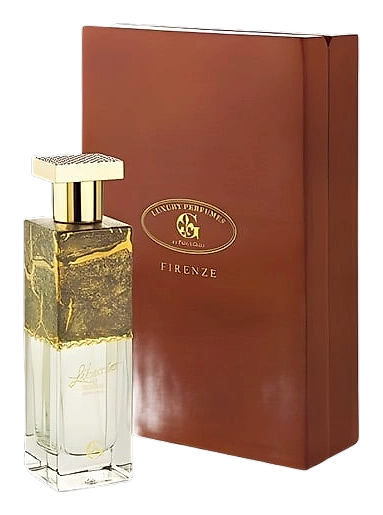
Libeccio was created by Paolo Gigli in 2008 and named after the north-west wind that sweeps across the Mediterranean, bringing cool air and a sense of vast openness. Rather than simply evoking the wind metaphorically, Gigli anchored the composition in eucalyptus and mint to translate the wind's bracing physical quality. These two notes are surrounded by lilac, rose and jasmine, creating a floral softness that prevents the fragrance from becoming purely medicinal. The result is a scent that captures not just the freshness of a Mediterranean gust but also the fragrant gardens it passes through.
Libeccio's note selection reflects a deliberate philosophy: the opening pairs medicinal freshness with romantic florals to capture the duality of the Mediterranean coast. Eucalyptus and mint provide the gust's physical bite, while lilac, rose and jasmine soften that sharpness into something approachable. The heart's raspberry, peach and iris work together to create a bridge between the bracing opening and the warm base. Cedarwood, sandalwood, amber and vanilla complete the structure, ensuring the fragrance feels grounded rather than fleeting. This layering approach means each phase of Libeccio offers something distinct while maintaining a coherent overall narrative.
The evolution
The evolution of Libeccio follows a clear narrative arc. It begins with the sharp, clarifying presence of eucalyptus and mint, notes that cut through the air with precision. Around the lilac and jasmine, these aromatic elements create a tension between crispness and softness. As the fragrance moves into its heart, raspberry and peach take over, their fruitiness softened by iris. This mid-section feels like the wind moving inland, losing some of its intensity but gaining complexity. The drydown then grounds everything in cedarwood, amber and sandalwood, the woody notes acting as the horizon the wind eventually reaches, settling into warmth and stillness.
Cultural impact
Part of the 2008 wind‑themed quartet, Libeccio, Grecale, Schirocco and Maestrale, this fragrance sparked conversation among niche enthusiasts for its daring blend of fresh mint and powdery florals. Collectors often cite it as a signature of Paolo Gigli’s ability to translate a sea breeze into a wearable scent, keeping it a cult favourite despite modest ratings.