
The Story
Why it exists.
The beginning
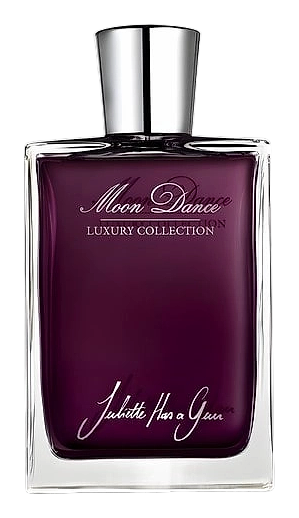
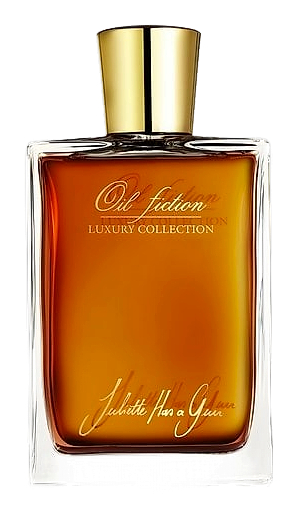
In 2013, Juliette Has a Gun released Oil Fiction as part of a limited Luxury Collection, only 999 bottles worldwide. The brief was simple: opulence without apology. Where other releases from the house flirted with minimalism, Oil Fiction went the other direction entirely. A composition built on absolutes, ylang-ylang absolute, amber absolute, tuberose absolute, each material chosen for its density, not its discretion. The brand's official copy called it a "royal elixir." That word matters. Elixir implies ritual, intention, something precious enough to be rationed.
The note architecture is unusual in its vertical ambition. Most fragrances layer notes like a menu, top, heart, base, each doing its turn. Oil Fiction stacks them. The heart doesn't wait for the top to finish; ylang-ylang and tuberose surge through the opening, carrying saffron and iris with them. The effect is immediate fullness, almost overwhelming, then the sandalwood and ambroxan catch up, and what seemed chaotic reveals itself as orchestrated. Patchouli and labdanum anchor everything into something that smells both vintage and strange, like a perfume you've encountered before but can't place. Bourbon vanilla absolute arrives last, quiet, making sure you remember it.
The evolution
The opening hits fast, bergamot brightens for perhaps ten minutes before the florals take over entirely. Ylang-ylang dominates the first hour, thick and almost waxy, with tuberose sweetening the air around you. The saffron is present throughout but never dominates; it's the red thread keeping the composition coherent. By hour two, the iris emerges, powdery, slightly rooty, like violet pastilles crushed into warm skin. The amber note deepens rather than softens, pushing toward something resinous. Hours three through six belong to the base: sandalwood's creaminess, ambroxan's salty animal warmth, vanilla creeping in like an afterthought that becomes the memory. On fabric, the ambroxan lingers another day.
Cultural impact
Oil Fiction occupies a specific position: the limited-edition statement piece within a house built on provocation. Its 999-bottle run made it immediately scarce, and the composition itself rewards those who find it, amber-forward, tuberose-sweet, with the kind of vintage noir character that older fragrance wearers recognize and younger ones discover as revelation. It sits apart from the house's more minimalist work (Not a Perfume, built on a single material) and instead commits to opulence as argument.