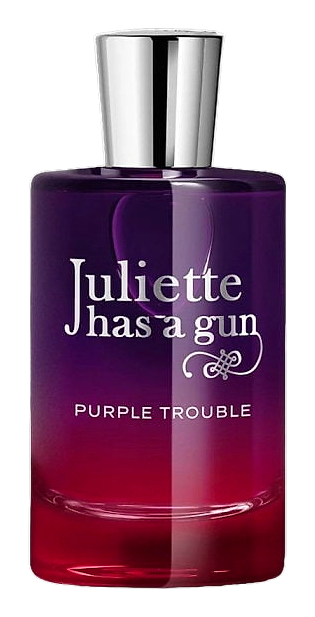
The Heritage
The Story of Juliette Has A Gun
Paris-based house that weaponizes wit and provocation against the stuffiness of fine fragrance. Founded by Romano Ricci—great-grandson of Nina Ricci—Juliette Has a Gun dresses rebellion in refillable bullets and challenges wearers to question what perfume should smell like. The brand's iconoclastic spirit has built a devoted following among those who want their scent to start conversations.
Heritage
Romano Ricci launched Juliette Has a Gun in 2005, stepping out of his family's shadow by learning perfumery from scratch rather than inheriting a legacy. His great-grandmother Nina Ricci built a fashion house that defined Parisian elegance, and his grandfather Robert created L'Air du Temps—one of the world's most recognizable fragrances. Rather than rest on that history, Romano trained alongside master perfumer Francis Kurkdjian to build something entirely his own. The brand name itself announces the house's intentions: borrowed from Shakespeare's tragic heroine, but twisted. This Juliette doesn't die for love—she takes aim at convention. Within a few years of launch, the house had garnered serious industry recognition. In 2011, the French Fragrance Foundation awarded Romano its 'Special Prize of the Board,' honoring his ingenuity and creative contribution to the perfume world. Romano later expanded his influence beyond fragrance creation, co-founding NOSE—a curated perfumery in Paris's 2nd arrondissement that helps fragrance lovers navigate niche and independent houses. The brand celebrated its fifteenth anniversary around 2020, marking over a decade of provocative scent-making that continues to challenge expectations.
Craftsmanship
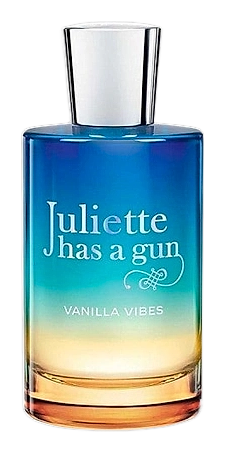
The house collaborates with a rotating roster of perfumers, most notably Francis Kurkdjian, while Romano himself trained directly in fragrance creation rather than inheriting the skill. The work spans the full spectrum from minimalist (Not a Perfume, built on ambroxan and white musk) to maximalist (Vanilla Vibes, inspired by Burning Man's electric atmosphere). For Not a Perfume, the house uses cetalox as its singular material—a synthetic ambergris substitute developed by Firmenich that typically appears only in base notes. Elevating it as the sole component creates a fragrance that behaves differently on each wearer, skin chemistry determining its final form. The result challenges the definition of perfume itself. Sourcing reflects the brand's positioning between niche and accessible. Ingredients are chosen for their narrative potential rather than pure rarity. The refillable bullet atomizers represent a practical craft choice—designing packaging that travels well and reduces waste without sacrificing aesthetic impact.
Design Language
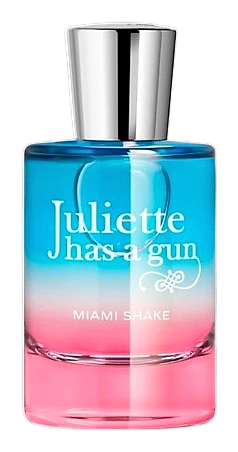
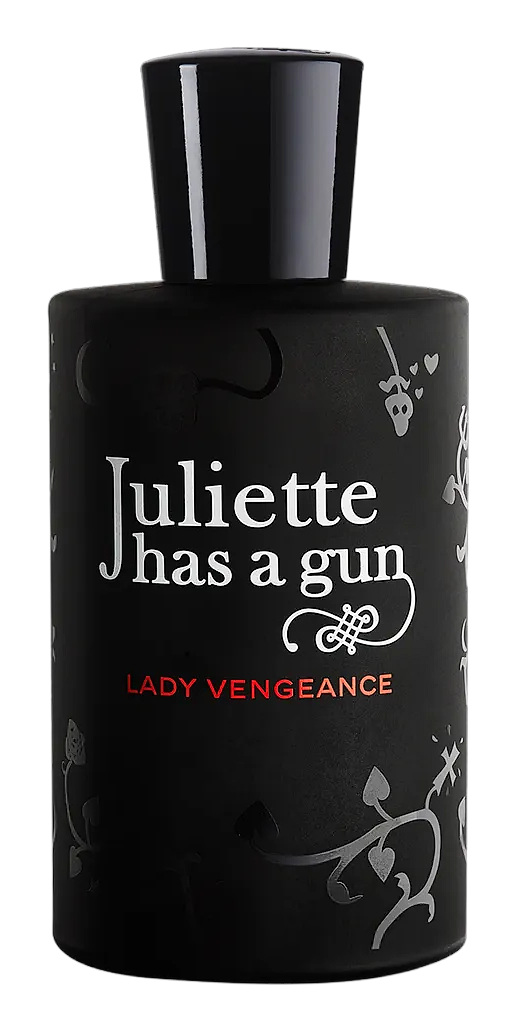
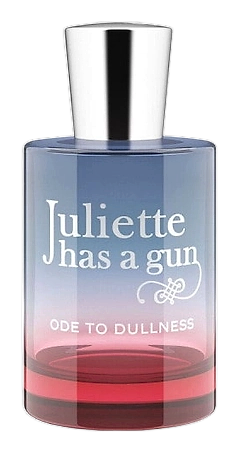
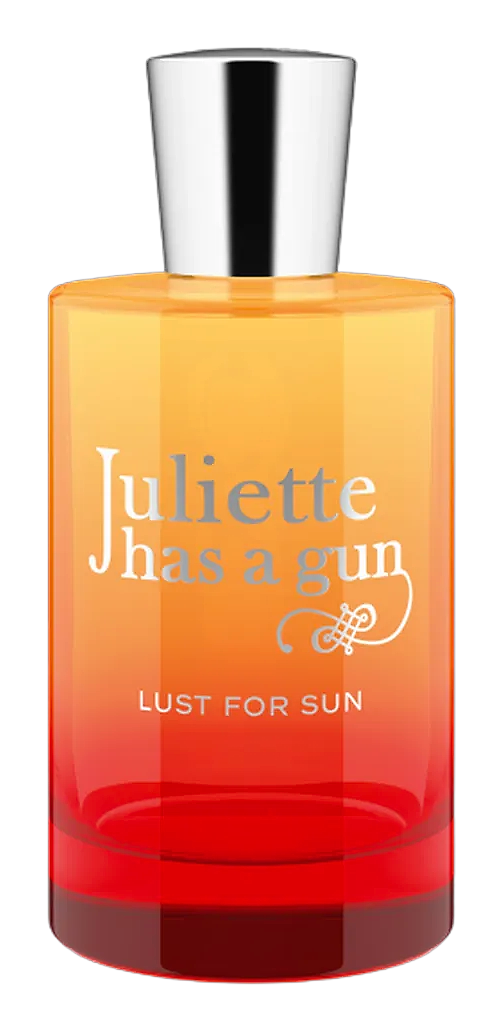
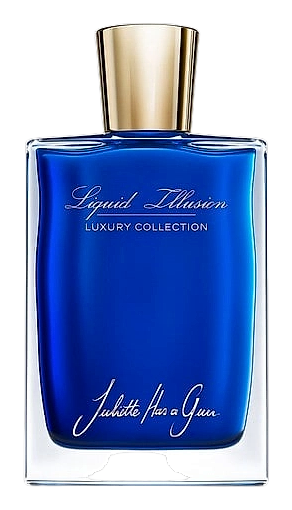
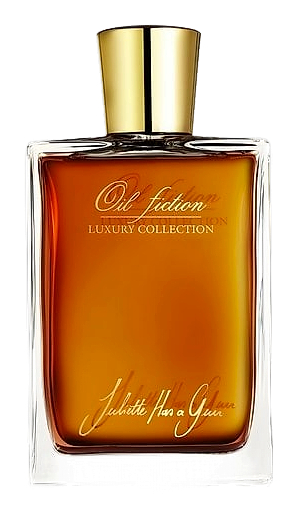
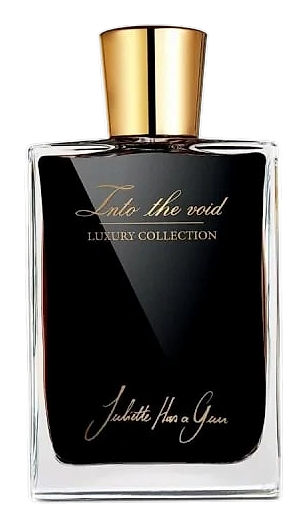
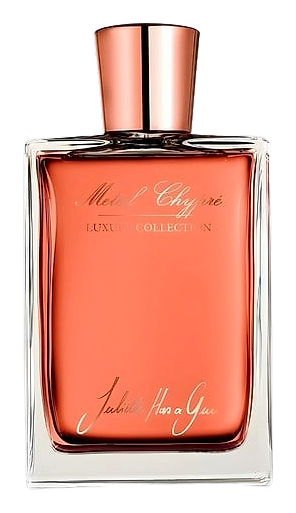
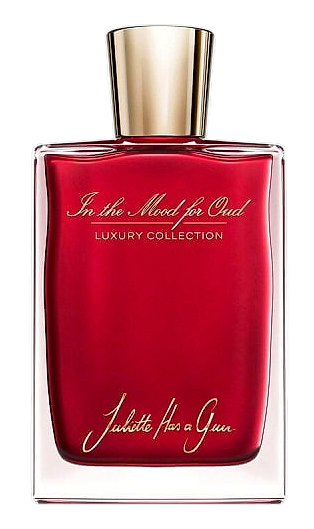
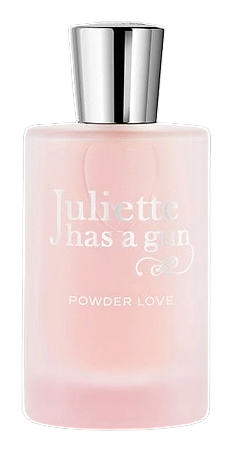
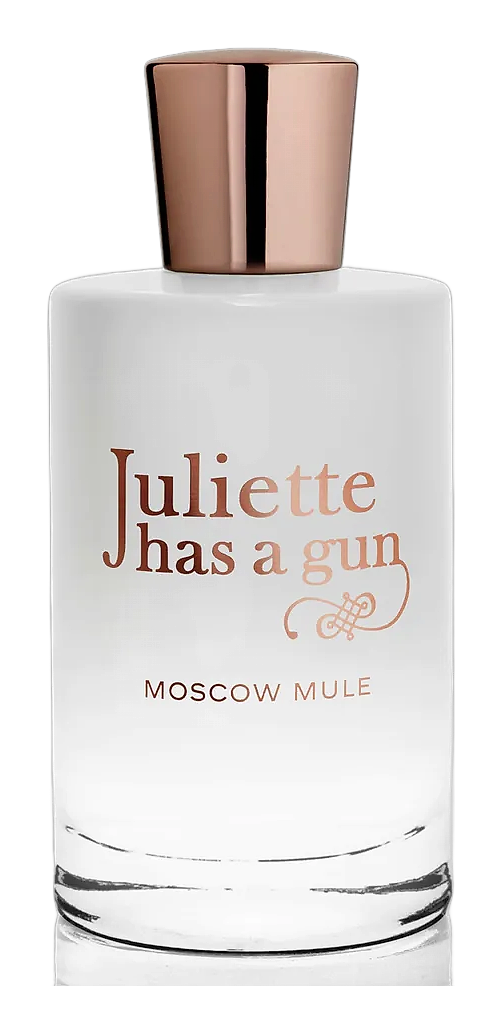
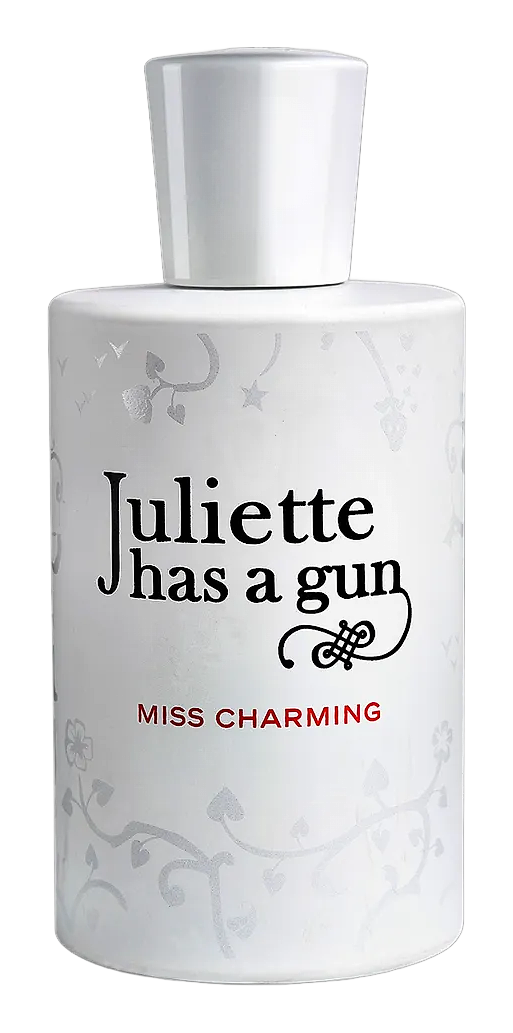
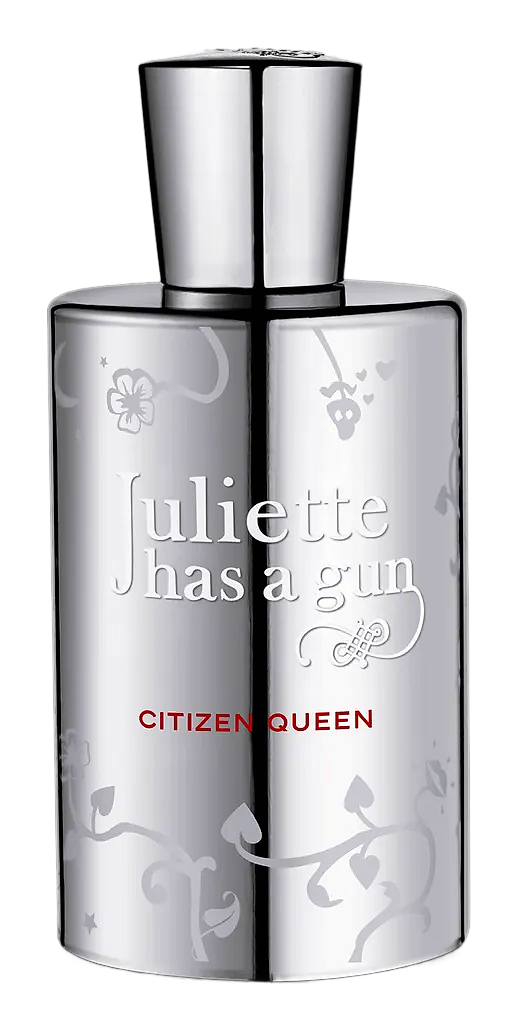
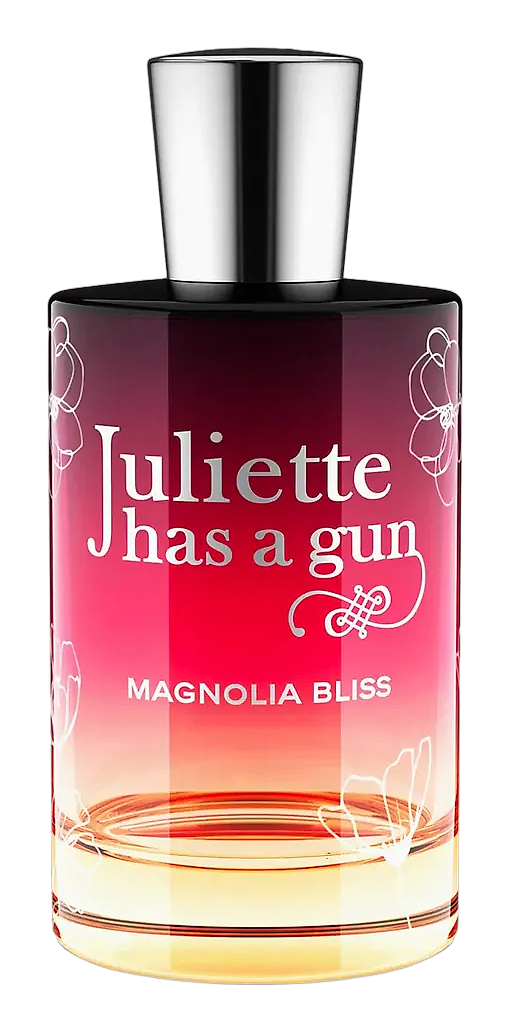
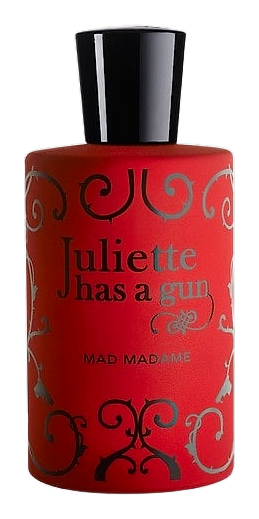
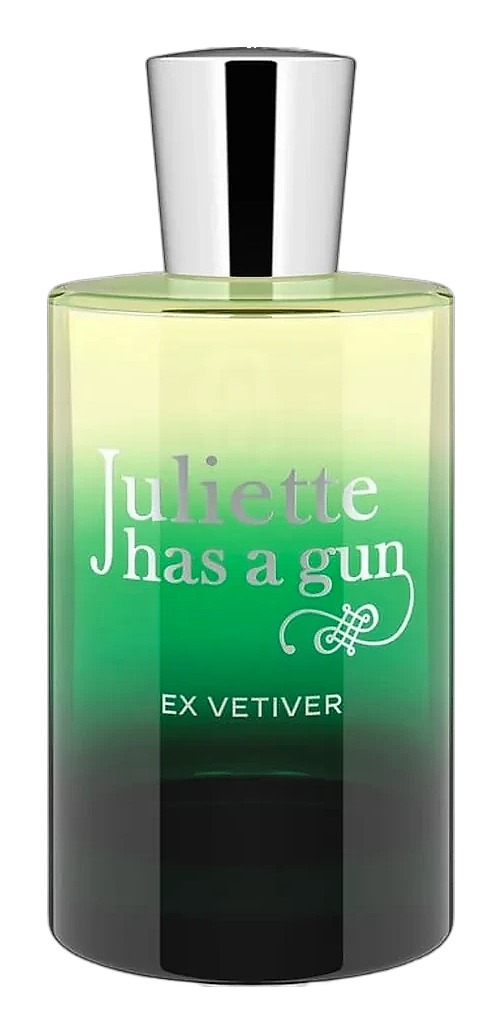
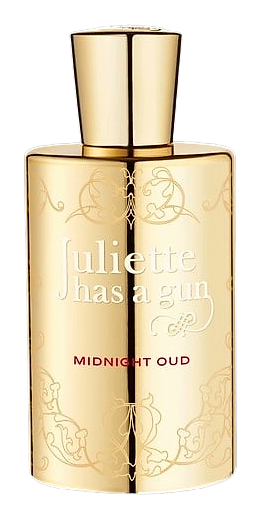
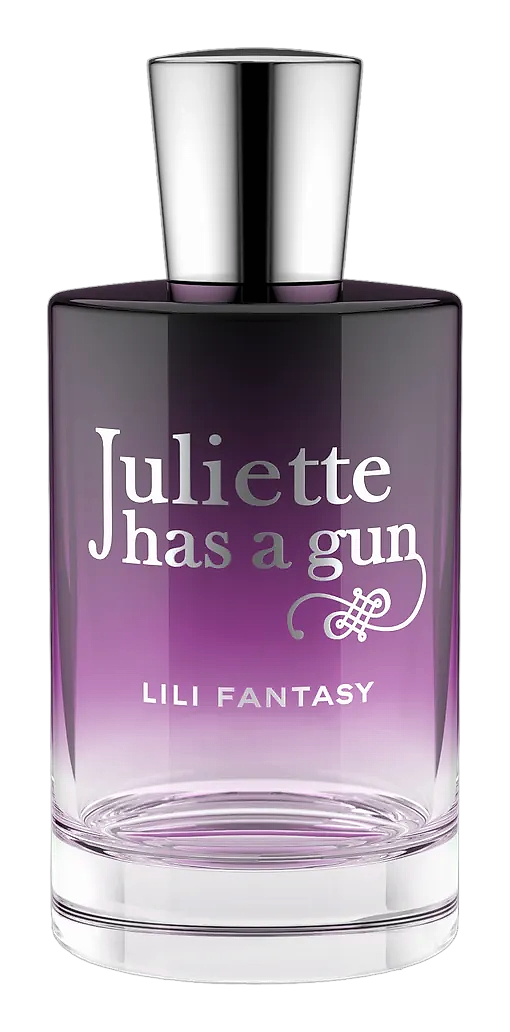
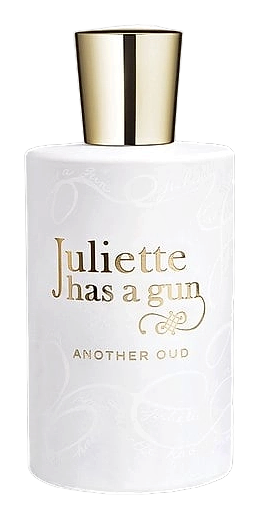
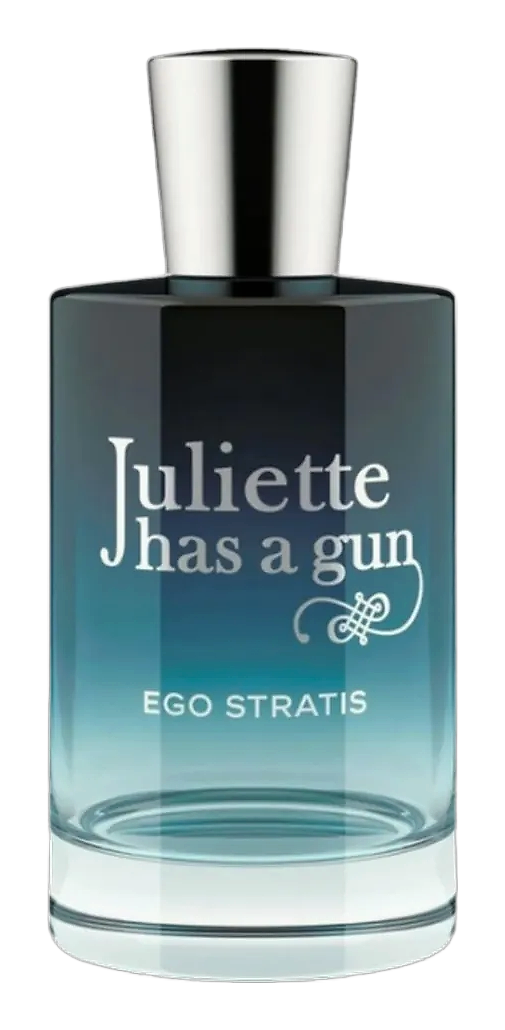
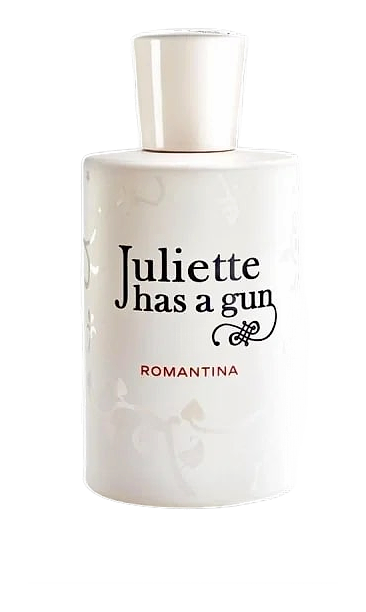
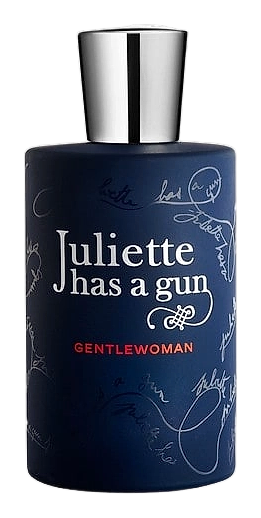
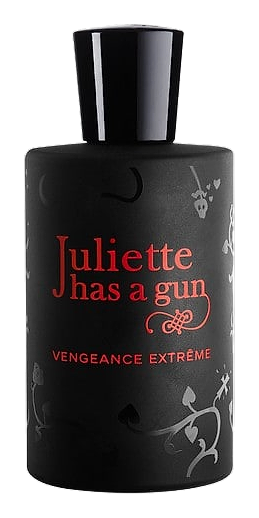
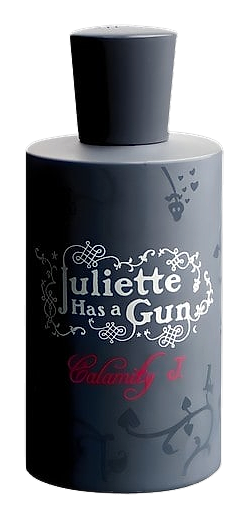
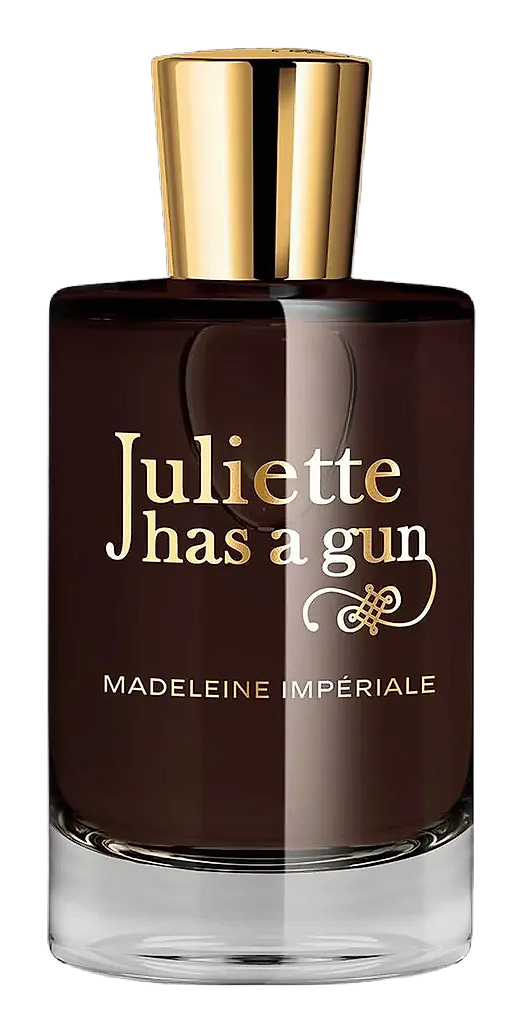
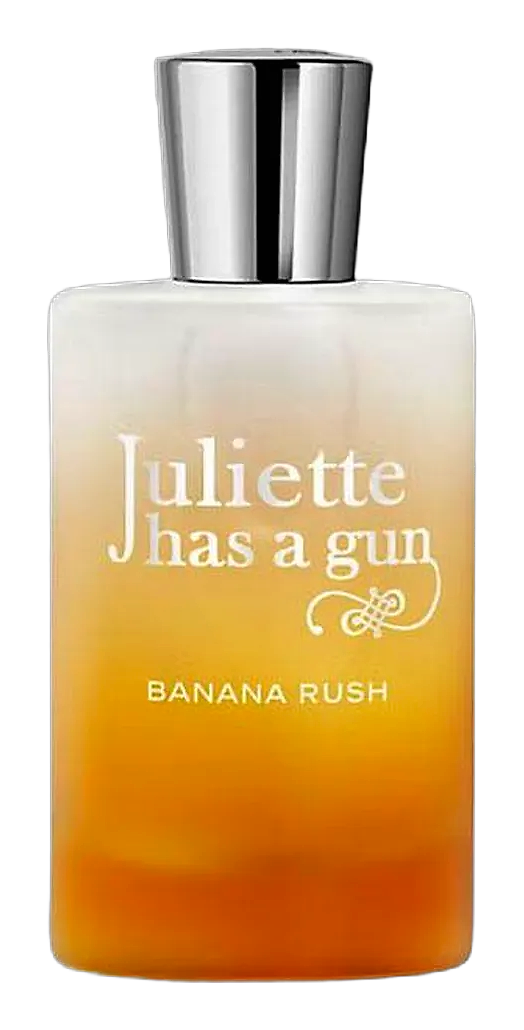
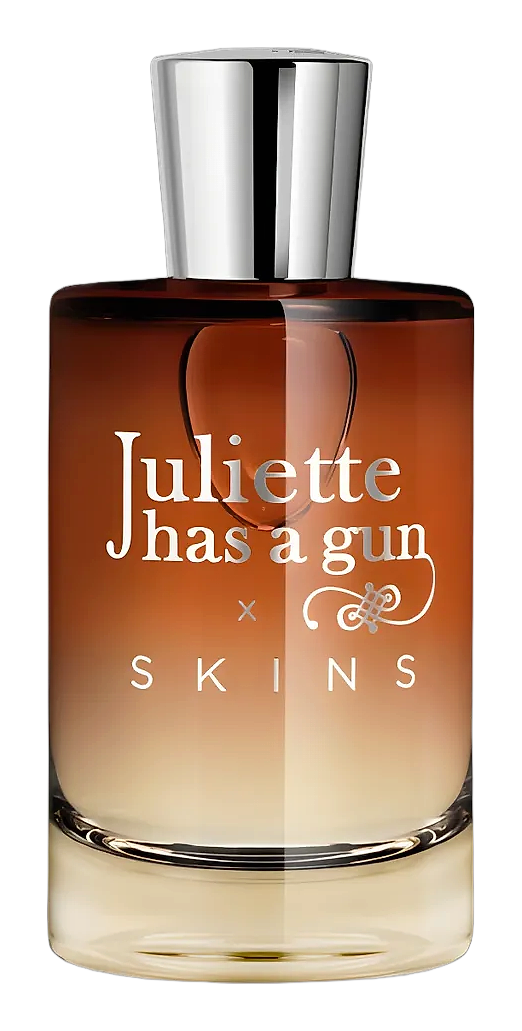
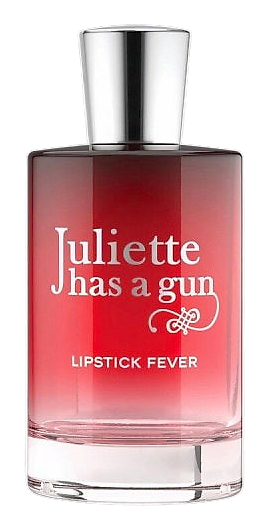
The visual identity of Juliette Has a Gun walks a line between Parisian sophistication and downtown edge. Bottles typically feature dark glass, clean geometric shapes, and typography that reads like a fashion editorial's headline rather than a perfume counter's display. The silver bullet atomizers—small, magnetic, refillable—represent the brand's practical philosophy dressed in metallic minimalism. The overall brand world avoids the preciousness that sometimes suffocates niche perfumery. Instead of forest imagery or invented heritage stories, Juliette Has a Gun leans into its literary reference point and contemporary attitude. Store displays and fragrance imagery suggest a modern woman who shops at concept boutiques rather than department store counters. Retail presence concentrates in curated perfumeries and concept stores rather than mass-market channels. The brand maintains strong relationships with specialty retailers like Les Senteurs in London and its own NOSE shops in Paris, where the presentation reinforces the house's positioning as an alternative to mainstream fragrance culture.
Philosophy
Juliette Has a Gun operates on a simple premise: perfume should be a statement, not just a pleasant smell. Romano Ricci set out to restore fragrance to its rightful place as an emblem of style and individuality, rejecting the notion that wearing a signature scent means simply smelling "nice." Each fragrance in the collection targets wearers who understand that scent is an extension of identity. The house takes an irreverent approach to genre conventions. Not Another Oud is, in fact, an oudh—because the best jokes land when you say them straight-faced. Not a Perfume swaps traditional composition for a radical minimalism built around two base-note ingredients given starring roles. The brand treats concepts like irony and self-awareness not as gimmicks but as legitimate creative tools. This philosophy extends to accessibility. Purse sprays arrive as silver bullet-shaped refillable atomizers—practical, portable, and just a little subversive. The refill program reflects a broader commitment to making niche perfumery less precious and more integrated into daily life.
Key Milestones
2005
Romano Ricci founded Juliette Has a Gun, launching with an initial collection of five rose-centered fragrances
2010
Not a Perfume debuted, challenging conventions by building the scent around a single base-note ingredient, cetalox
2011
The French Fragrance Foundation awarded Romano Ricci its Special Prize of the Board for ingenuity and creative contribution
2015
Not Another Oud launched, an oudh fragrance delivered with characteristic irony
2019
Vanilla Vibes arrived, inspired by Romano Ricci's experience at Burning Man
2020
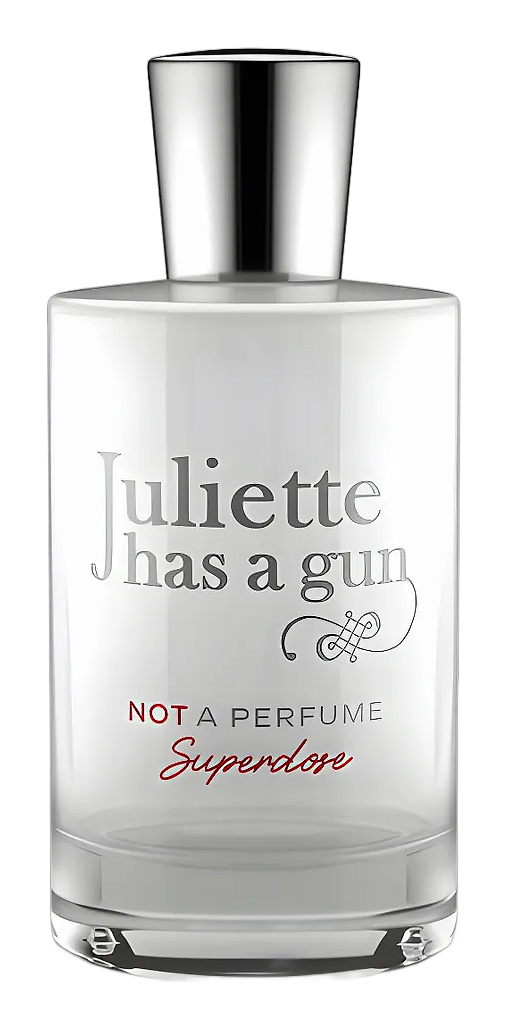
Superdose joined the collection, continuing the house's tradition of provocative flankers and bold compositions
At a Glance
Brand profile snapshot
Origin
France
Founded
2005
Heritage
21
Years active
Collection
6
Fragrances released
Avg Rating
3.7
Community sentiment
Release Rhythm


