
The Story
Why it exists.
The beginning
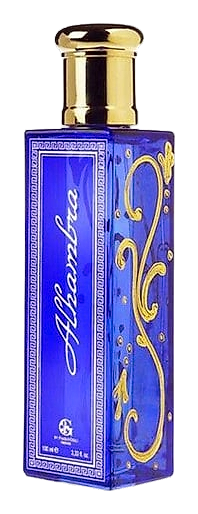
Alhambra takes its name from the Moorish palace complex in Granada, a place where arches hold centuries of layered civilization in their stonework. The name alone carries a kind of architectural gravity, and Paolo Gigli leans into that weight with this composition, treating fragrance less as decoration and more as a structure built to be inhabited. The opening arrives through geranium, lemon, and mint, a trio that cuts bright and green before anything heavier settles in. Beneath that fresh surface, vetiver, oud, gaiac wood, and patchouli stack into a dense, smoky middle that refuses to behave like a skin scent. White musk and ambergris anchor the base, pulling the whole thing into something warm and persistent, the kind of trail that lingers in a room after the wearer has already moved on.
What makes Alhambra worth attention is the way it holds its structure without losing gravity. The opening trio of geranium, lemon, and mint gives the composition its first breath, a green citrus sharpness that feels almost architectural in its clarity before the heavier materials take over. As the top notes recede, vetiver, oud, gaiac wood, and patchouli rise together, and the fragrance shifts from bright to smoky with surprising speed. The oud here isn't a whisper; it lands with conviction, and the gaiac wood adds a dry, almost tarred sweetness that keeps the composition from going austere.
The evolution
The first hour belongs to geranium, lemon, and mint, a bright and almost metallic opening that cuts through the air like cold water on warm stone. The mint sharpens the lemon, and the geramom grounds both with its green, slightly bitter edge. Around the ninety-minute mark, vetiver and gaiac wood rise together, smoke meeting dry earth, and the oud begins to assert itself from the heart, adding an animalic depth that keeps the composition from going clean. Patchouli threads through the middle, leaning dark and rooty rather than sweet. The drydown is where the base earns its character: white musk and ambergris settle into a warm, persistent softness that holds for hours, with the oud still audible underneath, a low hum rather than a shout. On fabric the next morning, the gaiac wood and patchouli are still arguing softly, and the musk keeps everything tethered to skin.
Cultural impact
Alhambra carries the kind of presence that defines a house's reputation. It sits within Paolo Gigli's catalog as a composition that refuses to apologize for its weight, leaning fully into oud and woods with a confidence that reads as intentional rather than excessive. The fragrance positions itself as devotional in density, a perfume that wants to be felt and remembered rather than worn casually. Its longevity is noted as above average, and the trail it leaves carries the kind of smoky, animalic warmth that oud collectors tend to seek out.