
The Story
Why it exists.
The beginning
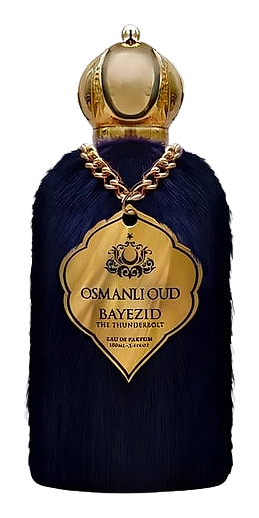
Osmanli Oud's fragrance takes that energy and translates it into scent rather than warfare. The composition sits inside the brand's Sultanlar collection, a series of releases named after Ottoman sovereigns, intended as aromatic portraits rather than literal reconstructions. Bayezid The Thunderbolt reads as a cologne-style composition with a distinctly Ottoman inflection, built around bergamot, lavender, lemon, and basil in the opening, a spiced core of cinnamon, clove, green apple, and geranium, and a grounded base of cedar, patchouli, oakmoss, labdanum, and vanilla. The structure borrows the domestic European cologne vocabulary and bends it toward something warmer, brighter, and more deliberate.
What makes this composition interesting is what it leaves out. There's no oud. No Turkish rose. No frankincense haze. Instead, the formula uses the domestic European cologne vocabulary, bergamot, lavender, basil, geranium, and inflects it with cinnamon, clove, and green apple. That choice gives the fragrance a bright, almost grooming-clean character in the first hour, before the spice settles in and warms everything up. The green apple note is the surprise element, adding a tartness that cuts through the lavender and prevents the opening from reading as a straightforward fougère.
The evolution
The first 20 minutes smell like a clean, slightly herbal cologne, bergamot and lemon sparking against basil and lavender. Then the green apple arrives, crisp and unexpected, and the cinnamon starts building behind it. By the two-hour mark the heart is fully present: geranium giving it a faint rosy edge, clove adding warmth without sweetness, the whole thing sitting close enough to lean in. Around hour four the base takes over. Patchouli arrives smoky and a little restless. Labdanum smooths the edges. Vanilla shows up quietly underneath, never dessert-sweet, just there. The oakmoss and cedar hold the drydown for another hour or two before fading into a soft, woody, faintly sweet skin scent. What lingers on fabric the next morning is mainly the cedar and a trace of vanilla, surprisingly clean for something that started so sharp.
Cultural impact
Bayezid The Thunderbolt sits within the Sultanlar collection as a release that engages with Ottoman history through scent rather than through literal reconstruction. The fragrance takes its name from Sultan Bayezid I, whose epithet the Thunderbolt has long been part of Ottoman historiography, and the composition channels a sense of forward momentum and presence rather than any specific historical event. The opening of bergamot, lavender, lemon, and basil gives the fragrance a clean, almost European feel, but the spiced heart of cinnamon, clove, green apple, and geranium pushes the composition toward a warmer, more complex register.