The Story
Why it exists.
The beginning
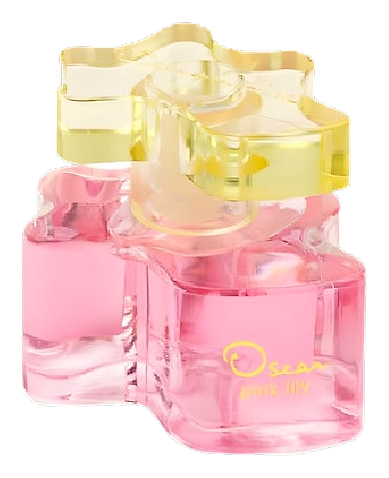
Oscar Pink Lily arrived in 2006 as part of a limited summer fragrance collection, one of the seasonal exclusives the house released to coincide with its runway offerings. The name points directly to its two floral protagonists, pink lily and passion flower, both drawn from the tropical florals associated with the designer's Dominican roots. Where many summer releases lean into citrus or marine accords for brightness, this one looked for it in flowers instead. The lily is pink, not white, which immediately changes the temperature of the composition, warmer, more opulent, less austere. The passion flower adds a tropical complexity that would have felt at home in the August heat. This was a fragrance built for a specific window: the moment before summer fully arrives, when the garden is beginning to bloom and the days are long enough to linger in it.
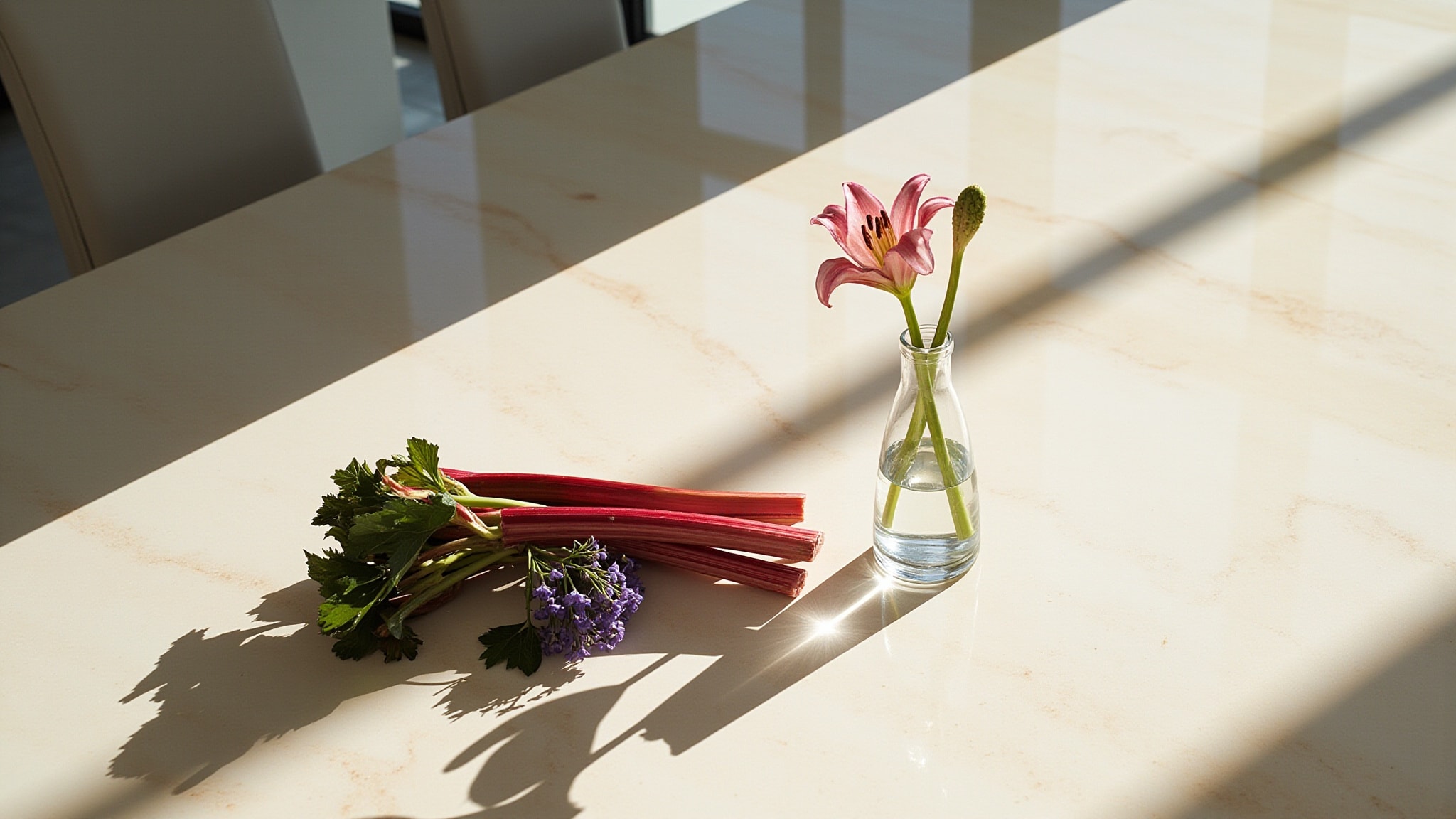
The structure of Pink Lily is what makes it interesting. It combines lush tropical florals, pink lily, magnolia, passion flower, with sharp green-fruity accents: rhubarb and violet leaf. The tension between these two groups keeps the fragrance from settling into generic sweetness. Rhubarb in perfume is rarely sweet; it brings a tart, almost sour quality that reads as green and awake rather than fruity. Violet leaf reinforces this with an ozonic, cucumber-like coolness. The result is a floral that has a bite. Cedar and amber form the base, adding warmth and a quiet animalic presence that stops the florals from smelling entirely clean.
The evolution
The opening arrives with bergamot and rhubarb together, a bright, tart jolt that feels ozonic rather than sweet. The rhubarb is immediate, almost vegetable-sharp, and it lasts longer than most top-note contributions. Within the first fifteen minutes the florals begin asserting themselves: pink lily first, then magnolia expanding to fill the space beneath it. The passion flower adds a tropical sweetness that rounds the edges without overwhelming the green quality. This heart phase lasts three to four hours, shifting from bright and tart to lush and warm. The drydown is where cedar and amber take over, with the cedar lending a quiet woodiness and amber introducing a soft warmth that approaches skin-like intimacy. There's a subtle animalic undertone from the ambergris, not aggressive, just present, like warmth held close. On fabric the florals linger longest; on skin the cedar and rhubarb tend to hold on. Moderate sillage throughout means it stays present without announcing itself from across the room.
Cultural impact
Oscar Pink Lily was a 2006 limited summer edition from a house known more for timeless glamour than seasonal novelty. It never reached the iconic status of the original Oscar, but for those who seek it out, it offers something unusual in the floral-fruity category: green-fruity tartness that keeps the lush florals honest. The composition sits at an interesting intersection, too floral for the citrus crowd, too green for the sweet-fruity enthusiast. For collectors of Oscar de la Renta's fragrance archive, or anyone drawn to unusual floral-green combinations with an ozonic backbone, it occupies a small but distinct corner.