The Story
Why it exists.
The beginning
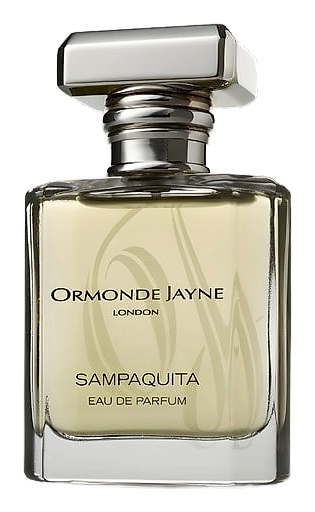
Sampaquita takes its name from the national flower of the Philippines, the local word for sambac jasmine, translated as 'I promise you.' A symbol of innocence, faithfulness, and loyalty across Southeast Asia and India, the flower became the centerpiece when Geza Schoen composed this 2004 Eau de Parfum for Ormonde Jayne. Rather than build a heady, indolic jasmine (the kind that fills a room and announces itself), Schoen wrapped it in cool, morning energy: lychee sweetness, grass oil, bergamot, magnolia. The brief, it seems, was jasmine as it smells at dawn, not jasmine as it smells at midnight.
What sets this composition apart is the tension between green and floral. The grass note at the top, combined with litchi and bergamot, creates a distinctly outdoor, almost garden-fresh opening that most jasmine fragrances skip entirely. Sampaquita resists the pull toward richness. The middle keeps the green thread alive through water lily and freesia, letting jasmine sambac absolute bloom without ever tipping into opulence. Even the base plays along: oakmoss, vetiver, and ambrette seed (musk mallow) deliver an earthy, almost vegetal drydown instead of the usual sweet or resinous finish.
The evolution
The first fifteen minutes are pure green. Grass oil and bergamot cut through, the litchi adding a faint, candy-water sweetness that never crosses into syrup. Magnolia sits underneath, giving the opening body without weight. The composition feels less like a perfume and more like a breeze through a wet garden. By the twenty-minute mark, the jasmine sambac absolute surfaces, but it doesn't arrive alone. It comes wrapped in water lily, freesia, rose, and lily of the valley, a full white-floral bouquet that softens the green rather than replacing it. The litchi lingers here as a bridge, keeping the composition from going powdery or old-fashioned. The jasmine itself reads clean, almost lemony, rather than narcotic. Two hours in, the florals have receded. What remains is an unexpectedly earthy drydown: oakmoss, vetiver, and ambrette seed. The ambrette gives a soft, musky warmth, like skin after sun, while the vetiver and oakmoss add a green-brown depth that smells more like a forest floor than a perfume base. The drydown is the surprise.
Cultural impact
Among Ormonde Jayne's early floral releases, Sampaquita carved out a specific niche: the jasmine for people who don't typically reach for jasmine. Its grass-and-moss structure reads as cooler and more outdoors than most white-floral compositions, which gave it a natural home with wearers who want something green and alive rather than sweet or powdery. The composition holds a distinctive place for those drawn to jasmine but wary of its more traditional, narcotic-leaning presentations.