The Story
Why it exists.
The beginning
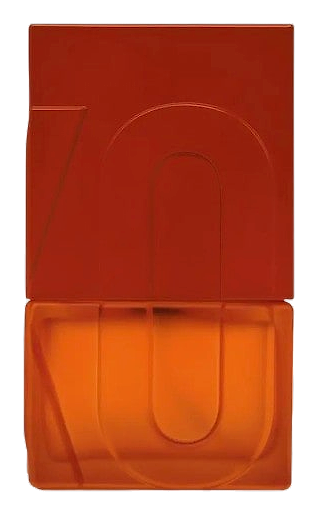
Zen was shaped by perfumer Géraldine Ignesta around a contrast of brightness and quiet depth. Its opening notes of bergamot, finger lime, ginger, and juniper create an airy, green impression, with citrus sharpened by the cool spice of ginger and the woody edge of juniper. As the fragrance develops, resinous notes of clove, frankincense, galbanum, and myrrh bring warmth, density, and a faint sense of smoke. The drydown is composed around iris, cedar, sandalwood, and ambroxan. Iris softens the composition with a cool, powdery texture, while cedar and sandalwood give it a measured woody structure. Ambroxan adds warmth and a skin-like softness, allowing the sharper opening notes to settle into a calm, lingering close.
The interesting part is the handoff between air and earth. Air accord gives Zen an almost weightless opening, but the heart introduces frankincense, myrrh, and galbanum, giving that brightness a mineral, resinous weight. Rice bran absolute adds an earthy texture that keeps the composition from becoming purely polished. In the base, iris introduces powder without sweetness, while cedar, sandalwood, and ambroxan create a dry woody finish. Nothing here is ornamental. The notes behave like a shift in weather, moving from clarity to something warmer and more grounded.
The evolution
Zen begins with a clean, cool burst: bergamot, finger lime, ginger, and juniper make the air feel brushed with citrus and green spice. That brightness doesn't linger as a simple fresh opening. It makes room for incense, myrrh, clove, galbanum, and rice bran, where the composition becomes resinous, faintly smoky, and earthy. Clove adds a warm, pointed spice, incense and myrrh deepen the resinous character, and rice bran gives the middle a softly textured, almost toasted quality. The surprise arrives later, as iris gives the drydown a soft powdery veil without turning sweet. Cedar and sandalwood keep the structure dry and composed, with ambroxan adding a warm, skin-like finish. As the fragrance wears, it moves from airy brightness to a quiet woody close, with the green and citrus facets gradually giving way to resin, powder, and smooth wood.
Cultural impact
Zen can be read through the language of its ingredients and the way each note changes over time. Bergamot, finger lime, ginger, and juniper establish a crisp, green beginning before clove, frankincense, galbanum, myrrh, and rice bran introduce a more tactile middle. Iris brings a restrained powdery accent to the drydown, while cedar, sandalwood, and ambroxan create a warm, composed finish. The fragrance invites closer attention: citrus gives way to resin, green spice softens into earth, and bright wood settles close to the skin.
The House
nown unownA Korean niche fragrance house built on the premise that scent equals self-reflection. nown unown approaches perfume as a tool for inner exploration rather than purely aesthetic pleasure, asking wearers to confront what they know and what remains hidden. The brand's name itself plays on the tension between the recognized and the unrecognizable, between the familiar accord and its unexpected transformation. Rather than leading with heritage notes or pyramid structures, nown unown leads with concept, using fragrance as a mirror for the self.
The Creator
Géraldine IgnestaIgnesta favors compositions that lean on clarity rather than ornament. She gravitates toward ingredients she can shape into architecture: clean musks, considered florals, and woods chosen for their texture rather than their volume.