Géraldine Ignesta
Géraldine Ignesta belongs to a generation of perfumers who came of age alongside the modern revival of niche fragrance, when the craft was opening up beyond the walled gardens of the major houses. Trained in France during a period when the pathway to becoming a perfumer typically demanded seven to ten years of study, she developed the technical grounding in chemistry and raw materials that anchors her work. Her career has unfolded quietly but with intention, shaped by the belief that a great composition begins long before the first drop of concentrate meets the beaker. She counts among the growing cohort of professionally trained noses who continue to refine the craft away from the spotlight, letting the bottles speak on their behalf.
The hits
Notable creations
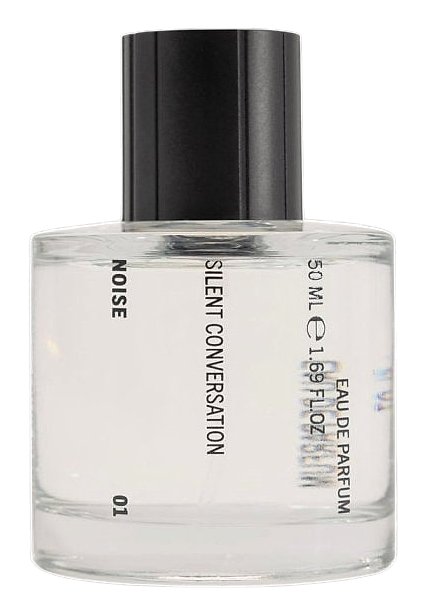

The signature
How Géraldine composes
Ignesta favors compositions that lean on clarity rather than ornament. She gravitates toward ingredients she can shape into architecture: clean musks, considered florals, and woods chosen for their texture rather than their volume. Her technique shows a preference for long, almost linear development, where each phase of the fragrance reads as a deliberate chapter instead of a burst. She is interested in the way light materials behave against warmer ones, and her formulas often reveal that conversation between air and skin. The result is work that feels unhurried, confident, and exact, the kind of scent that registers first as mood before it announces its ingredients.
Philosophy
What drives Géraldine
Ignesta approaches perfumery as a discipline of patience and precise listening. She has spoken about associating scent with memory, color, and emotion, a method she treats as both technical exercise and personal ritual. For her, fragrance is a form of quiet authorship, a way to translate feeling into something a wearer can carry. She believes the best compositions reward attention over time rather than announce themselves in the first minute, and she builds accord structures that invite return visits. Her work reflects a conviction that perfumery remains, at its core, a craft of empathy: the perfumer must think not only about the bottle on the shelf, but about the skin it will meet.
The houses
Maisons Géraldine composes for
In the same league