Rice bran
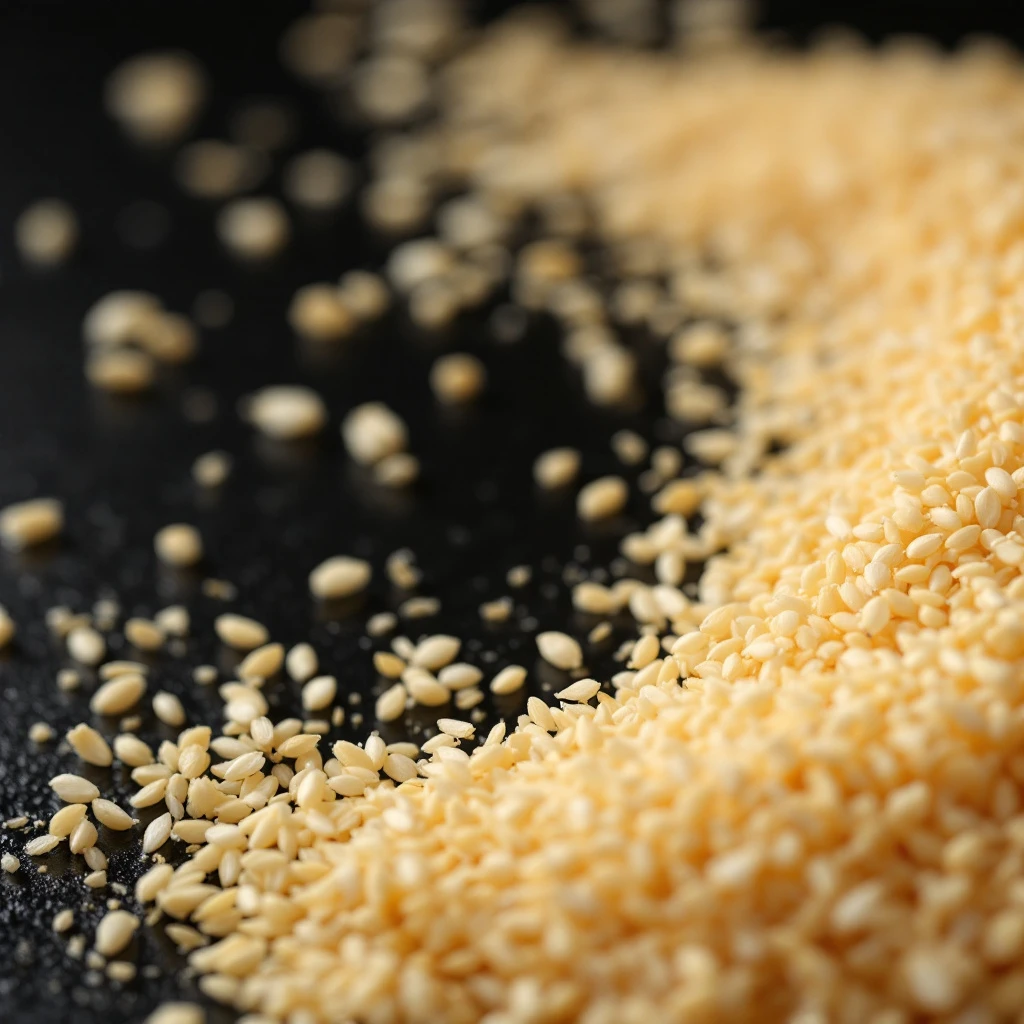
Rice bran oil is a functional perfumery ingredient prized for its phytosterol content and skin-compatibility, with a gentle, almost imperceptible scent that preserves the purity of top notes.
Character
How it smells
The ancient secret to soft, enduring fragrance.
Rice bran oil contains the highest phytosterol concentration of any culinary oil, making it uniquely effective at protecting fragrance molecules from oxidation.






Origin
China
Rice cultivation originated in the Yangtze River valley of China around 10,000 years ago, making it among the oldest domesticated grains. Ancient East Asian cultures discovered rice bran had preserving properties that extended the life of scented preparations, an early form of natural fixation. In traditional Japanese and Chinese medicine, rice bran oil served therapeutic roles long before its perfumery applications emerged.
The development of commercial rice bran oil extraction in the early 20th century unlocked its potential as a cosmetic and fragrance base. Modern perfumers now value it as a skin-compatible carrier that aligns with the clean beauty movement, though it remains a quiet workhorse rather than a celebrated star note.
Wears it best
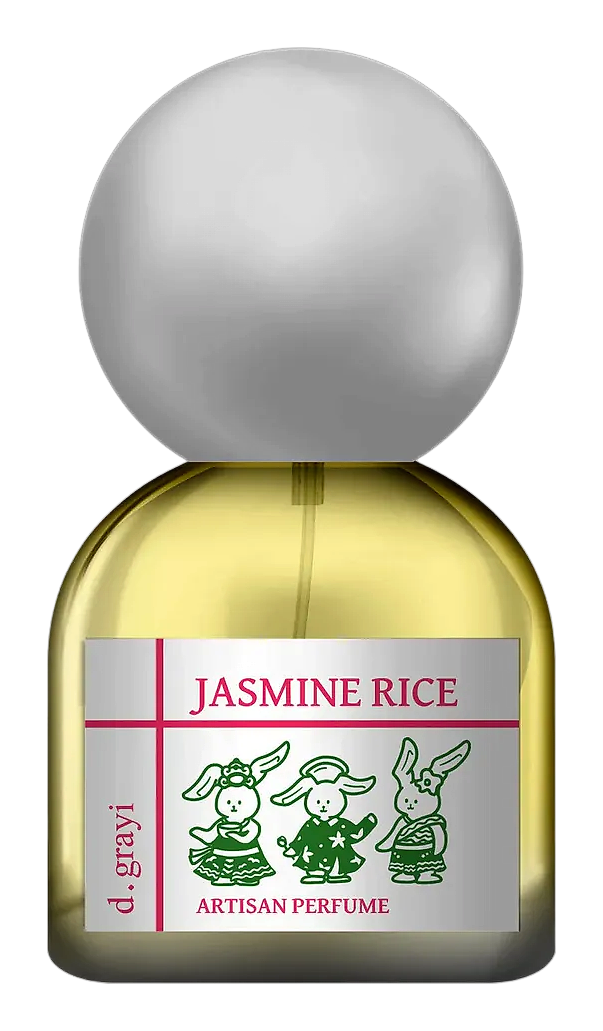
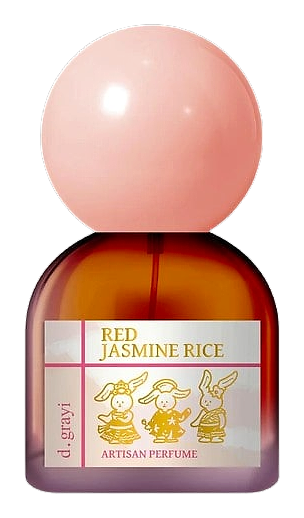
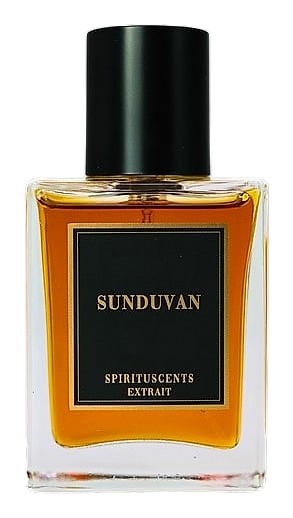
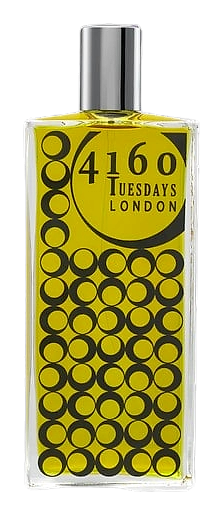
Fragrances featuring Rice bran

Brands
Brands known for Rice bran
Good to know
Questions, answered
The essentials on Rice bran in perfumery: how it smells, where it comes from, and how it behaves on skin.
What does rice smell like in perfumery?
Rice has a gentle, powdery, and subtly sweet scent profile in perfumery. The characteristic aroma comes from the molecule 2-acetyl-1-pyrroline (2-AP), which also gives basmati and jasmine rice their distinctive fragrance. This makes rice-derived materials suitable for clean, skin-like fragrance compositions.
Is rice bran oil used as a fixative in fragrance?
Rice bran oil has mild fixative properties due to its phytosterol content. These natural compounds help slow fragrance evaporation, extending how long scent lingers on skin. It works best as a supporting fixative rather than a primary one.
What are the functional benefits of rice bran oil in perfume formulations?
Rice bran oil functions as a carrier, fixative, and skin-conditioning agent in perfumery. It provides a stable, emollient base that disperses aromatic compounds evenly and reduces potential skin irritation from concentrated perfume materials.
How does rice bran oil protect fragrance from degradation?
Rice bran oil contains the highest phytosterol concentration of any culinary oil. Phytosterols act as natural antioxidants that shield fragrance molecules from oxidation, helping perfumes maintain their original character over time.
What extraction methods produce rice bran oil for perfumery?
Supercritical CO2 extraction produces the cleanest rice bran oil suitable for high-end perfumery. Solvent extraction yields more product but requires refinement. Mechanical pressing preserves more natural constituents but has lower efficiency.
What role does rice bran oil play in modern fragrance formulations?
Rice bran oil serves as a functional base material rather than a source of distinctive aroma. It acts as a carrier for aromatic compounds, supports fragrance longevity, and contributes skin-conditioning properties that align with clean beauty standards.
Does rice have a strong scent in fragrance compositions?
Rice-derived materials contribute a subtle, clean scent rather than a dominant aromatic presence. The gentle, powdery character works particularly well in minimalist and skin-close fragrance styles, adding a quiet layer of softness without competing with primary notes.
Is rice bran oil safe for sensitive skin in perfumes?
Rice bran oil has a low sensitization risk and is generally well-tolerated by sensitive skin. It functions as a gentle emollient base in fragrance, and regulatory bodies including IFRA approve it for cosmetic and perfumery use at standard concentrations.