Sticky rice
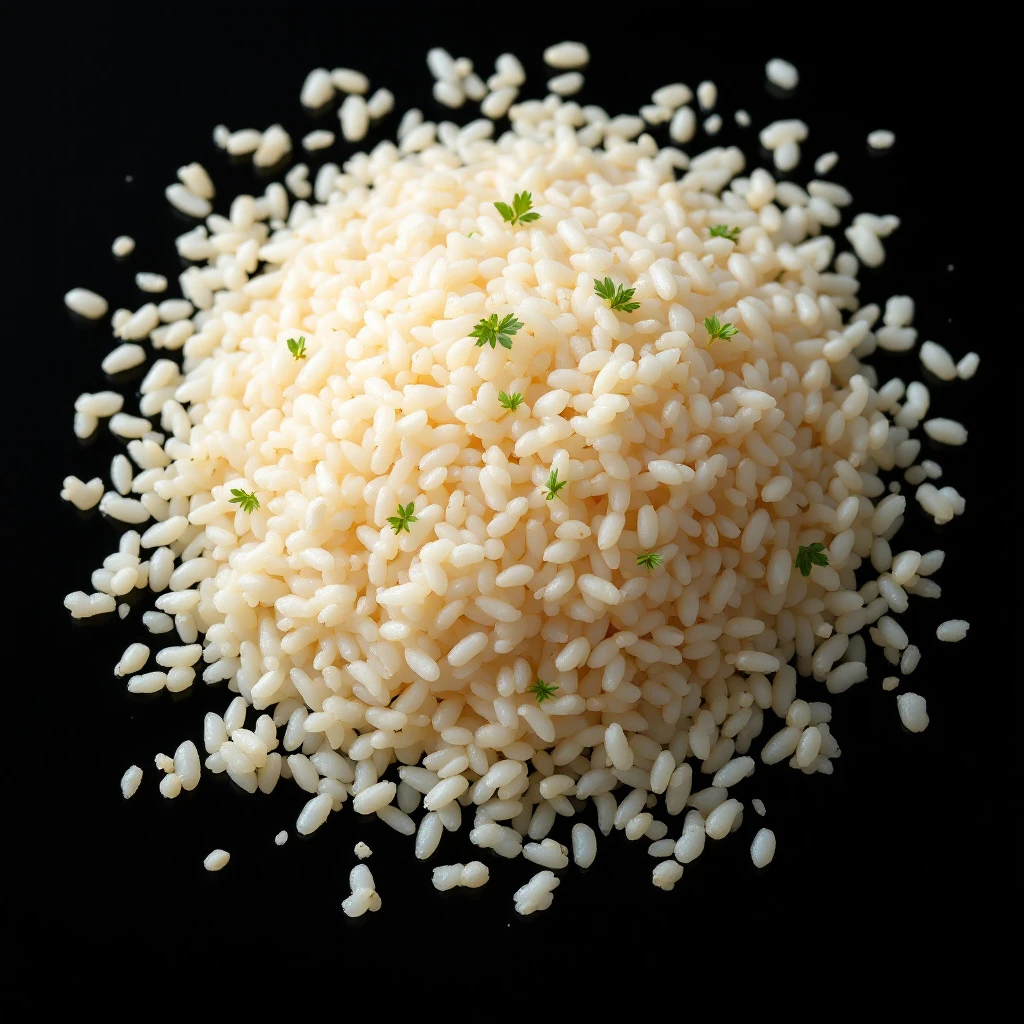
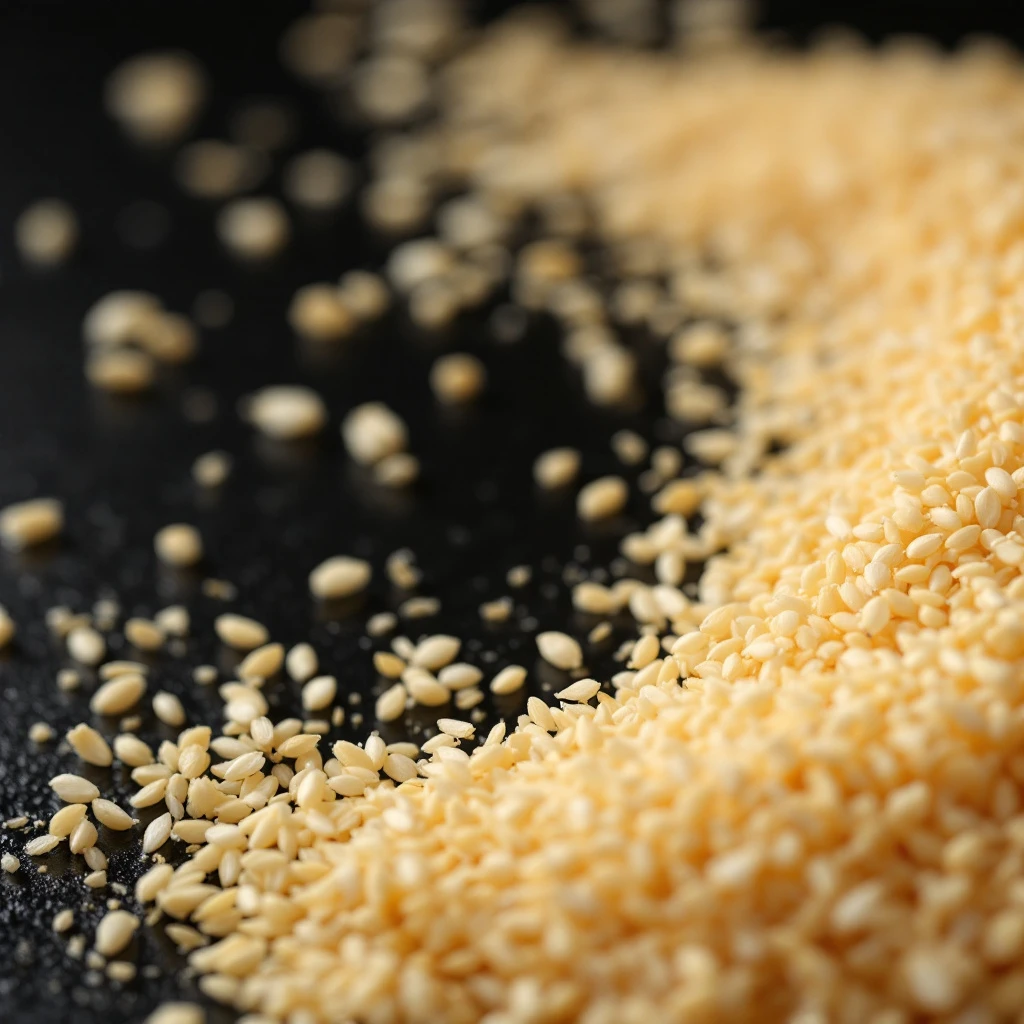
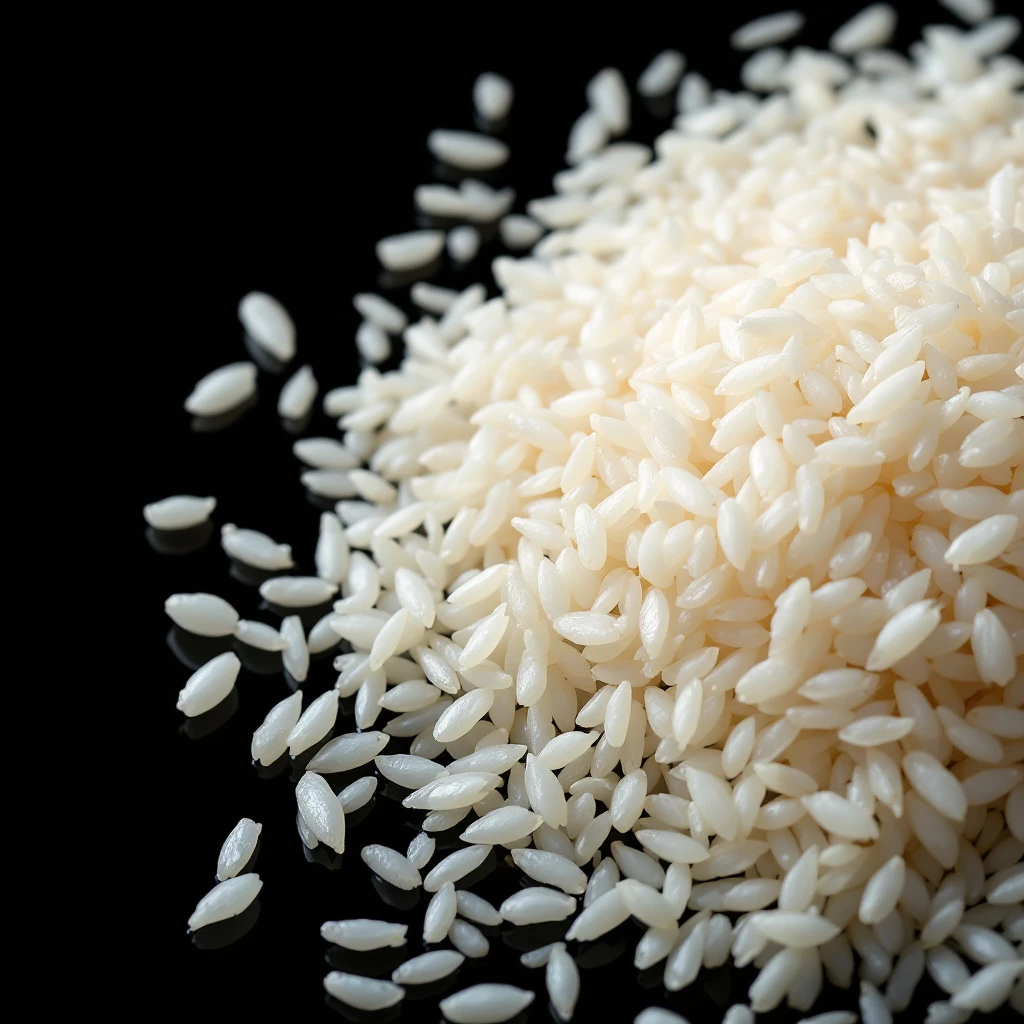
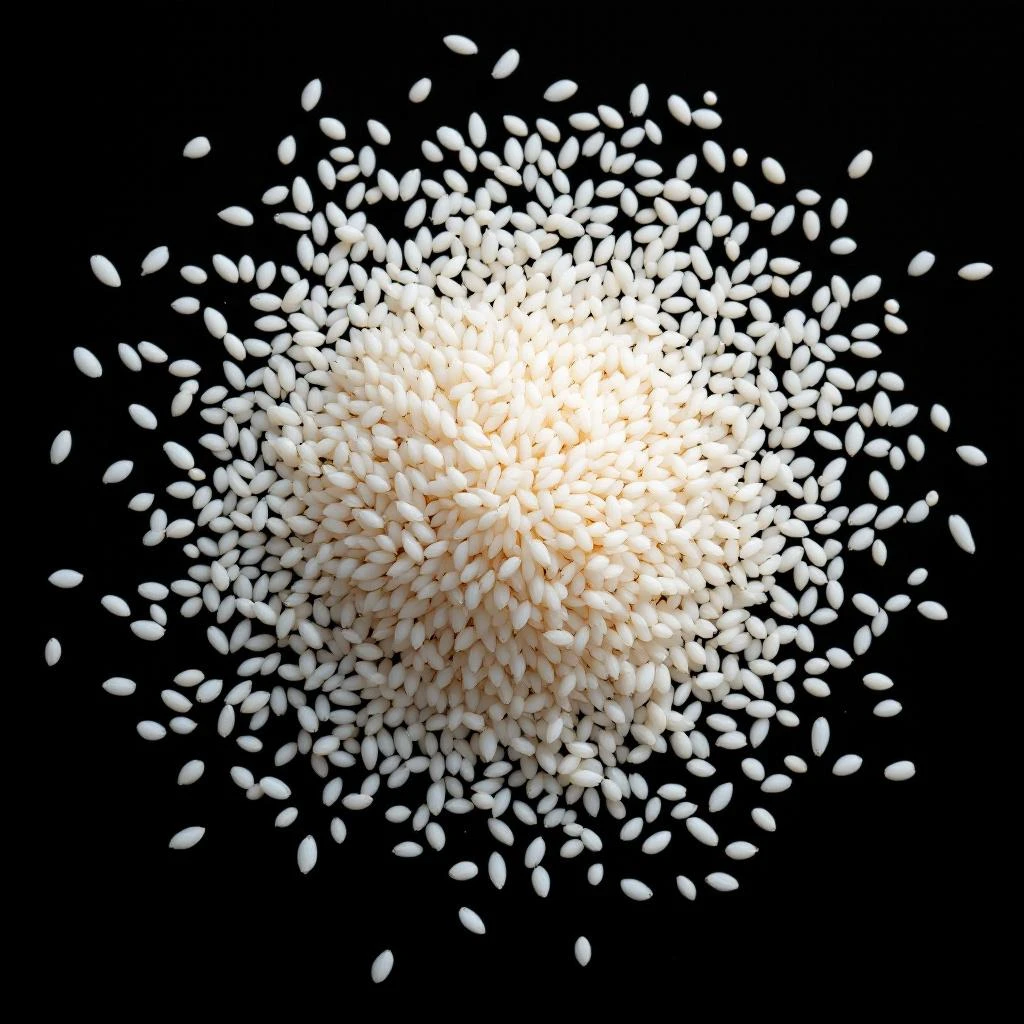
No natural extraction yields rice for perfumery. Instead, perfumers reconstruct the scent through synthetic 2-acetyl-1-pyrroline, the molecule that gives cooked jasmine rice its quietly intoxicating aroma. The note evokes warmth, comfort, and something unexpectedly elegant.
Character
How it smells
The invisible ingredient that makes rice smell like rice.
2-Acetyl-1-pyrroline appears in both fragrant basil and white bread crust, connecting rice not to one cuisine but to the shared chemistry of comfort food.


Origin
Thailand
Rice occupies an ancient place in human culture, cultivated across Asia for at least 9,000 years. Yet its journey into perfumery remained blocked until modern chemistry made it possible. For centuries, perfumers working with natural extracts had no access to rice's scent profile.
The breakthrough came from food science researchers investigating why certain rice varieties smelled so distinctly better than others. They isolated 2-AP in laboratory settings during the 1970s, and fragrance chemists quickly recognized the molecule's potential. The compound bridged an unusual gap between culinary and olfactory worlds.
Rice as a perfumery ingredient traces its commercial adoption to Asian fragrance markets, where cultural familiarity with rice's scent made it an intuitive addition to product lines. Western perfumers adopted the note more slowly, initially using it as a supporting element in oriental fragrances before recognizing its versatility. Today, rice-derived synthetics appear across market segments, from luxury candles to skin-care products, representing a rare case where food science directly shaped fragrance development.
Wears it best
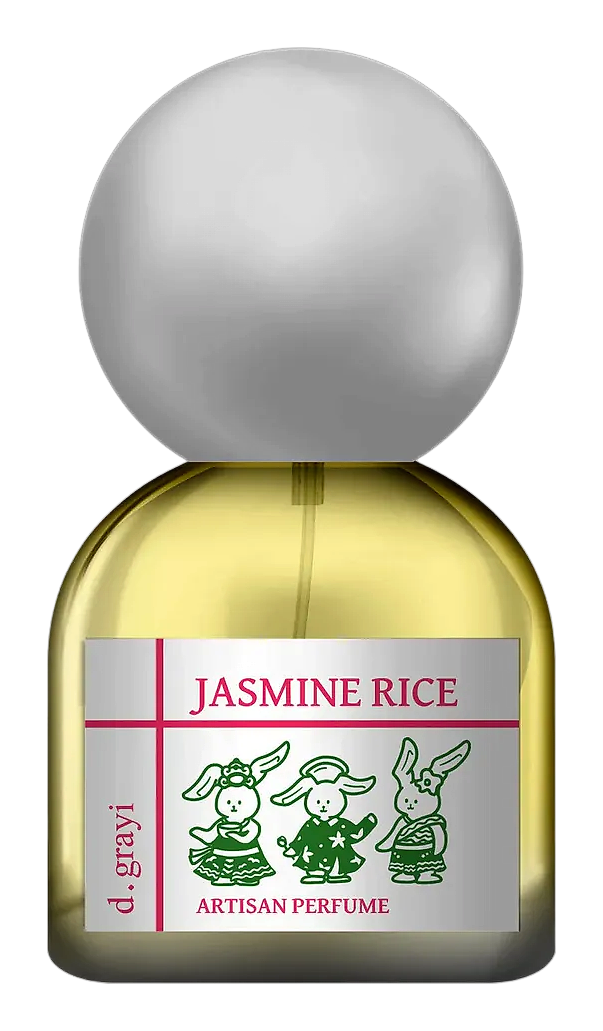
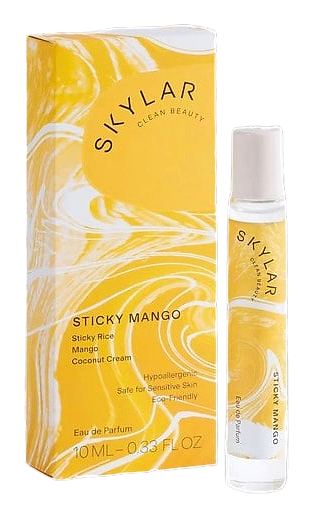
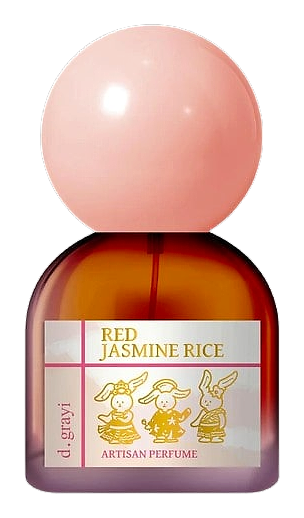
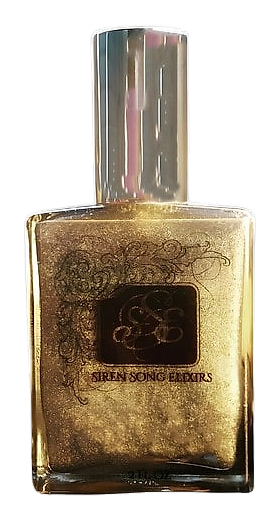
Fragrances featuring Sticky rice
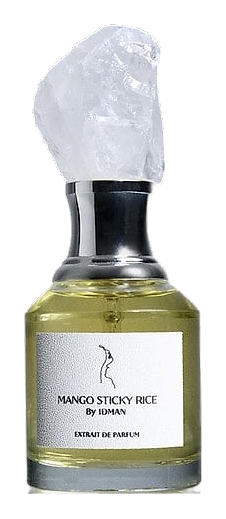

Brands
Brands known for Sticky rice
Good to know
Questions, answered
The essentials on Sticky rice in perfumery: how it smells, where it comes from, and how it behaves on skin.
Is sticky rice used as a natural ingredient in perfumery?
No. No commercial process extracts fragrance directly from rice. Perfumers rely on synthetic 2-acetyl-1-pyrroline to recreate the aroma. Natural rice contains this molecule at trace levels, making extraction impractical. The rice note in any fragrance originates entirely from laboratory synthesis.
What gives sticky rice its characteristic scent?
2-Acetyl-1-pyrroline (2-AP) creates the distinctive aroma. The compound produces a warm, slightly nutty scent reminiscent of freshly cooked rice. Cooked sticky rice releases higher concentrations of 2-AP than plain steamed rice, explaining its more pronounced fragrance.
Can I find natural rice absolute in fragrances?
No. Rice absolute does not exist as a commercial perfumery ingredient. The term appears occasionally in marketing materials but lacks any corresponding extraction method. Check the ingredient list for "2-acetyl-1-pyrroline" to confirm synthetic rice aroma in a product.
Why do perfumers choose synthetic rice aroma over natural extracts?
Economics and chemistry dictate the choice. Rice yields no usable aromatic extract through any standard method. Synthetic 2-AP provides consistent odor profile batch to batch. Natural ingredients vary with harvest conditions, soil quality, and rice variety, making reproducibility difficult.
What foods besides rice contain 2-AP?
Several foods share this compound. Fresh basil leaves contain notable levels of 2-AP, giving them a rice-like undertone. Bread crust, especially from white bread, develops 2-AP during baking. Some aromatic pandan leaves used in Southeast Asian cooking also feature this molecule.
Which fragrances prominently feature rice notes?
Rice appears frequently in East Asian and skin-focused fragrances. Shiseido's signature lines incorporated rice-derived materials for decades. Many modern "clean skin" fragrances use 2-AP to suggest freshly laundered fabric or warm skin after showering. Check individual fragrance databases for specific formulations.
Is synthetic 2-AP safe for skin use?
Regulatory bodies have approved 2-AP for cosmetic use. The International Fragrance Association evaluates the molecule's safety profile regularly. Concentrations in finished fragrances remain far below any established risk threshold. Follow standard patch-testing procedures for any new product.
How does rice scent perform in fragrance compositions?
2-AP works best as a bridge note rather than a focal point. The molecule is relatively volatile, meaning it scents strongly upon application but fades quickly. Blending it with longer-lasting musks or wood materials helps maintain the rice impression throughout wear time.