The Story
Why it exists.
The beginning
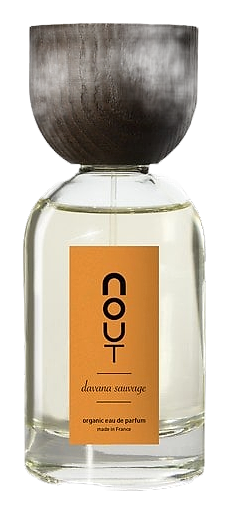
Davana Sauvage arrives as part of Nout's catalogue of natural-origin fragrances, a line built around the proposition that perfumery can be composed almost entirely from botanical materials without sacrificing depth or structure. Davana Sauvage stakes its territory in chypre territory, a family of fragrances known for their layered interplay between citrus, florals, mossy or resinous bases, and earthy foundations. Reformulating that genre with certified organic ingredients was the central challenge. Perfumer Laure-Leta Jacquet answered with a composition that leans on ambrette seed for warmth, davana itself for a liquor-like sweetness, and red fruits where conventional chypres might offer a more traditional rose or jasmine heart.
What's unusual here is the structural bet. Jacquet went the other direction. The ambrette is doing musk-work that synthetics usually handle, and davana, known for its wine-like, almost fermented character, brings an herbaceous intensity that reads as sauvage in the wild sense. Red fruits, which often appear only briefly in mainstream perfumery, sit in the heart and stay there, giving the composition a sweetness that feels grown rather than added. The overall architecture refuses to flatten into something safe.
The evolution
The opening arrives bright and slightly bitter. Italian bergamot and lemon lift the first minutes, but they don't linger alone. Angelica brings a green, almost pharmaceutical edge underneath, like the smell of stems snapped in a garden after rain. Ambrette hums quietly from the start, a warm, skin-like musk that softens the citrus without dulling it. The opening feels like a confident cologne, not a chypre yet. As the citrus recedes, things shift. Tunisian neroli blooms, orange-flower with that honeyed bitterness, but it's the red fruits that change the conversation. They don't read as berry or cherry. More like fruit leather, dense and slightly fermented, warmed by the davana underneath. The davana itself smells almost boozy, with that characteristic sweetness of a herb left in the sun.
Cultural impact
Davana Sauvage matters because it answers a question the natural-perfumery world has been circling for years: can botanical materials carry the structural weight and darkness of classical chypre? The composition answers yes, and does so without apology. It attracts attention from perfumery students and ingredient enthusiasts, people who care about what davana actually smells like versus what it smells like in a textbook. The wearers tend to be curious, detail-oriented, interested in how natural materials behave when they're asked to perform at full intensity.
The House
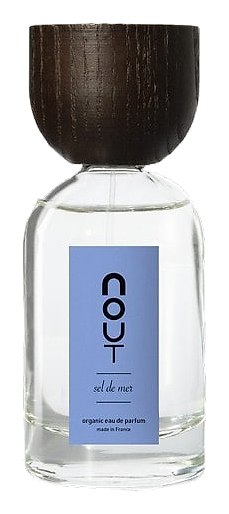
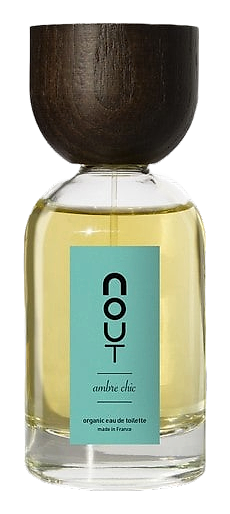
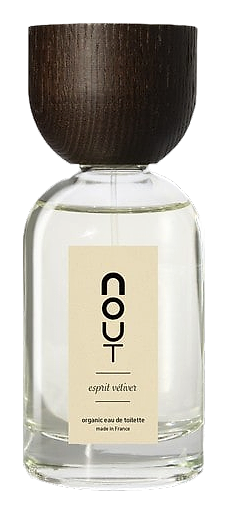
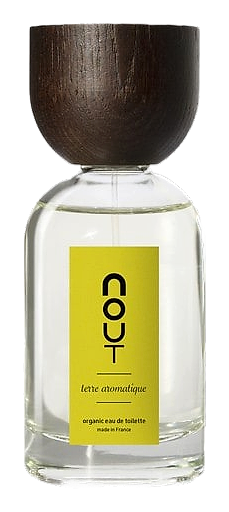
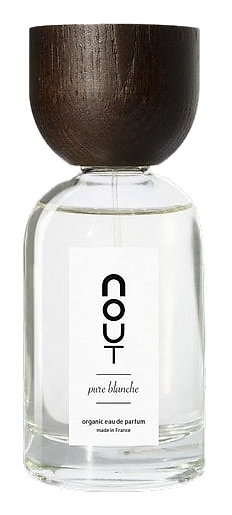
NoutNout is a French fragrance house that draws its identity from the Egyptian goddess Nout, the sky deity from ancient Egyptian mythology. Founded in 2015, the brand positions itself around natural and organic certification, producing its perfumes in Grasse, the historic center of French perfumery. The house focuses on formulas made entirely from natural origin ingredients, a commitment reflected in its Cosmécert certification. Its collection includes fragrances such as Davana Sauvage, Terre Aromatique, Pure Blanche, Ambre Chic, Esprit Vétiver, and Sel De Mer, all released in 2021. The brand's naming convention appears to draw from mythological and natural references, with ingredients like vetiver, amber, and sea salt informing the fragrance concepts. Nout represents a niche approach to perfumery, emphasizing ingredient transparency and certified natural origins rather than high production volume.
The Creator
Laure-Leta JacquetIn the lab, Laure‑Leta favors a palette that blends traditional French absolutes with modern synthetics. She often begins with a heart of white florals—jasmine, tuberose, or orange blossom—anchored by a subtle mineral base that recalls stone façades.