The Story
Why it exists.
The beginning
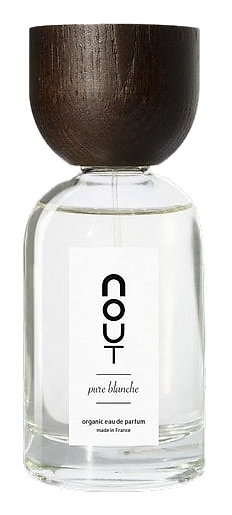
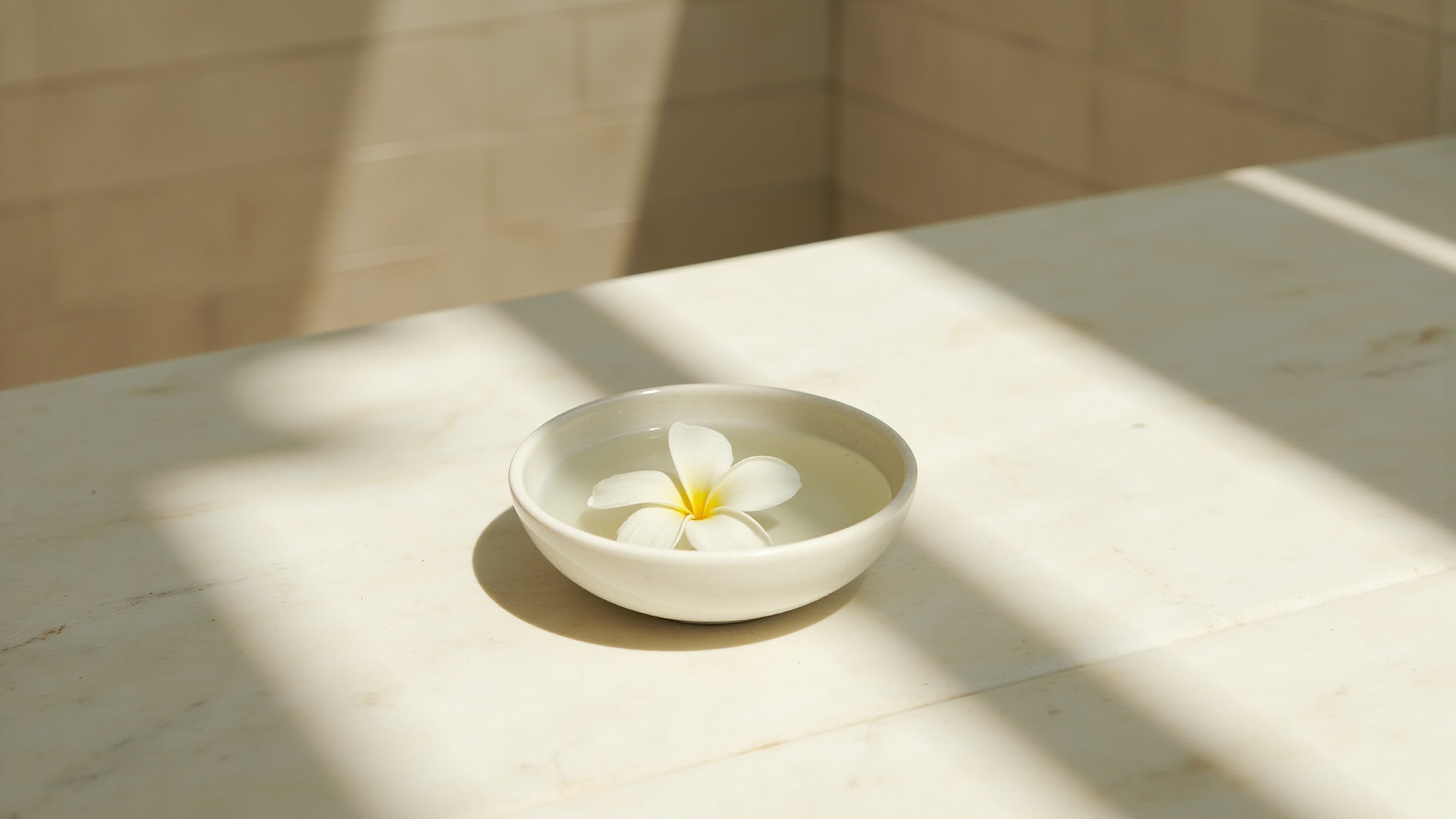
Pure Blanche takes its name from the brand's mythology, Nout, the Egyptian goddess of the sky, who arched over the earth like a canopy of light. The name means something elemental: white, clean, exposed to open air. Laure-Leta Jacquet of Maison Robertet composed this 2021 release around a single question: what does purity smell like when it's been warmed by the sun? The answer is tropical. Frangipani, tiare, and ylang-ylang form a white floral heart that reads less like a bouquet and more like air that's passed through a garden near the sea. Ozonic and aquatic notes keep the florals from getting heavy, creating a tension between the cool and the warm that makes the fragrance feel alive. It's certified organic, 100% natural, vegan, all verified by Cosmécert. But the real story is simpler: a white floral that doesn't apologize for what it is.
The choice of ylang-ylang as the structural heart of Pure Blanche is quietly unusual. In perfumery, ylang-ylang often plays supporting roles, a boost for florals, a sweetening agent. Here it's the main character, and Laure-Leta Jacquet lets it speak in its full, slightly animalic voice. The creamy richness that ylang-ylang brings isn't the sanitized version. There's something underneath it that reads as skin-warmth, as the actual temperature of a tropical evening. Frangipani adds an edge of the exotic, slightly bitter, slightly intoxicating, the kind of floral that smells like it belongs in a hidden garden rather than a florist's cooler.
The evolution
The opening hits clean. Ozonic and aquatic notes arrive together, not the sharp ozonic of a cleaning product, but the softer version, like the air after a storm has passed over warm water. It lasts maybe twenty minutes before the florals begin their slow takeover. The handoff isn't dramatic. Ylang-ylang edges into the composition first, its creamy sweetness bleeding into the cool ozonic backdrop. By the thirty-minute mark, frangipani and tiare have fully arrived, and the heart reads as tropical, warm, enveloping, slightly heady. The florals hold for two to three hours, shifting in intensity as the skin warms and cools. There's a point around hour three where the composition seems to pause, the ozonic notes fade, leaving just the white florals against a cleaner, slightly woody base. That final phase lasts another hour or two, intimate and close. By the time it fades, there's a faint trace, something clean, slightly sweet, almost like fabric dried in open air.
Cultural impact
Pure Blanche arrived in 2021 during a cultural moment when consumers were rethinking their relationship with synthetic ingredients across all personal care categories. The fragrance occupies a specific niche: organic-certified perfumery that refuses to compromise on artistry. Unlike mass-market brands that added natural lines as marketing afterthoughts, Nout built its entire identity around Cosmécert certification and natural origin compositions. The ozonic and aquatic trend that Pure Blanche embodies reflects broader design movements in architecture, interior design, and wellness where airiness and transparency became valued qualities.
The House
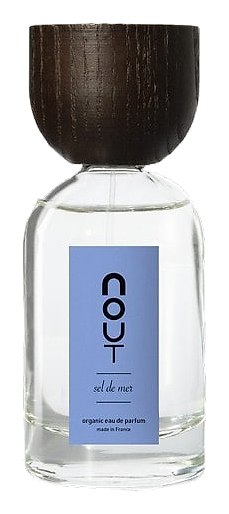
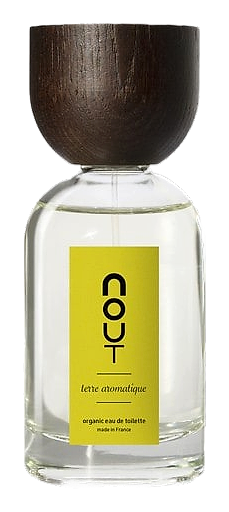
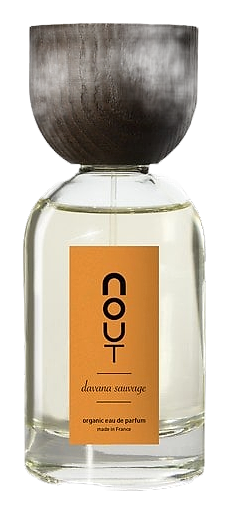
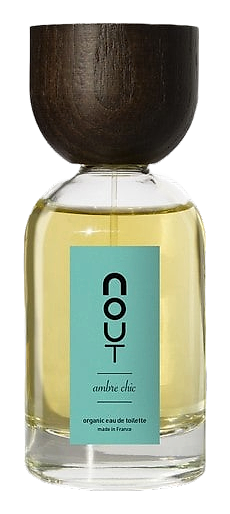
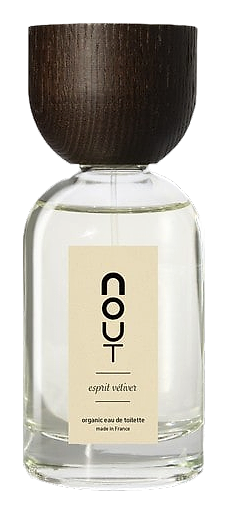
NoutNout is a French fragrance house that draws its identity from the Egyptian goddess Nout, the sky deity from ancient Egyptian mythology. Founded in 2015, the brand positions itself around natural and organic certification, producing its perfumes in Grasse, the historic center of French perfumery. The house focuses on formulas made entirely from natural origin ingredients, a commitment reflected in its Cosmécert certification. Its collection includes fragrances such as Davana Sauvage, Terre Aromatique, Pure Blanche, Ambre Chic, Esprit Vétiver, and Sel De Mer, all released in 2021. The brand's naming convention appears to draw from mythological and natural references, with ingredients like vetiver, amber, and sea salt informing the fragrance concepts. Nout represents a niche approach to perfumery, emphasizing ingredient transparency and certified natural origins rather than high production volume.
The Creator
Laure-Leta JacquetIn the lab, Laure‑Leta favors a palette that blends traditional French absolutes with modern synthetics. She often begins with a heart of white florals—jasmine, tuberose, or orange blossom—anchored by a subtle mineral base that recalls stone façades.