
The Story
Why it exists.
The beginning
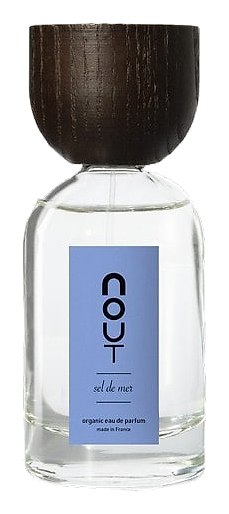
Sel de Mer was composed by Laure-Leta Jacquet, a perfumer associated with the Robertet house. The composition is Cosmécert certified, which places it in the small category of fragrances built entirely from natural materials, without synthetic aromachemicals doing the work behind the scenes. That certification shapes everything about how the fragrance smells. The briny, salt-spray sensation that most aquatics achieve through calones or ozonic molecules has to be coaxed here from raw materials alone. Petitgrain brings a green, almost bitter sharpness that reads as cold air over water. Orange blossom adds a creamy floral lift that suggests sea foam more than it does perfume. Blackcurrant bud introduces that cat-green, herbal bite that keeps the whole composition from drifting into sweetness.
What makes Sel de Mer worth paying attention to is the tightrope it walks between genres. The marine quality gets built through the interplay of petitgrain's green bitterness, amyl salicylate's almost-salty floral transparency, and the cool melon note that bridges the citrus opening into the white-floral core. Those three materials do the lifting together, trading off responsibility as the composition moves through its stages.
The evolution
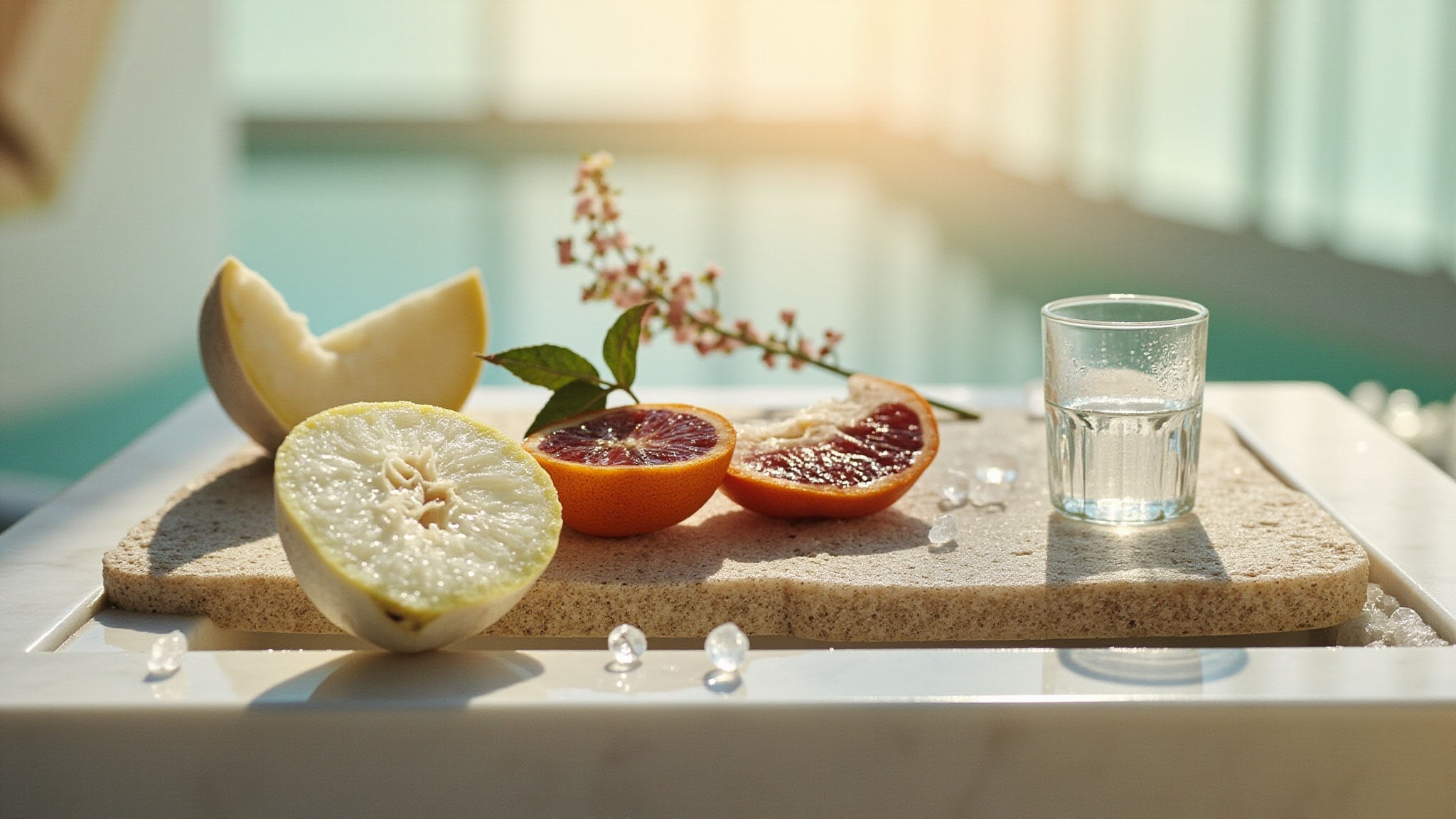
The opening belongs to the lift. Blood orange and melon push forward together, bright and cold, with petitgrain cutting sideways through the sweetness like the smell of crushed leaves near a seawall. There's something almost fizzy about the top, the sensation of stepping out of air conditioning into a bright morning. The blackcurrant bud sits underneath, greener than fruity, sharpening the whole structure with a tart snap that keeps the citrus from collapsing into simple sweetness. As the composition settles, the orange blossom and rose arrive, and the fragrance makes its turn. The aquatic note and amyl salicylate take over, and suddenly you're not smelling citrus anymore. You're smelling skin after a swim, hair drying in sea air. It cools down further into something transparent and floral, less perfume than atmosphere. Then comes the handoff.
Cultural impact
Sel de Mer holds a quiet distinction within the certified-natural fragrance category. Aquatics that read convincingly as marine, salt-spray, or open water are uncommon in that world, which makes a composition like this one stand out for simply achieving what it sets out to achieve. The fragrance wears with a botanical clarity that comes from working only with naturals, and that clarity gives it a different texture from most aquatics on the market. It appeals to wearers who want to know what goes into a fragrance and who appreciate the challenge of building complex effects from a restricted palette.
The House
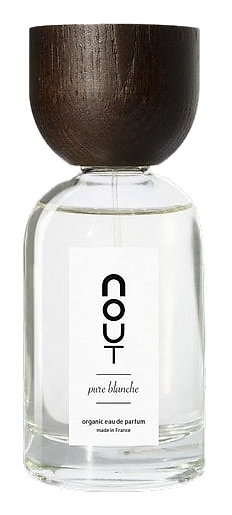
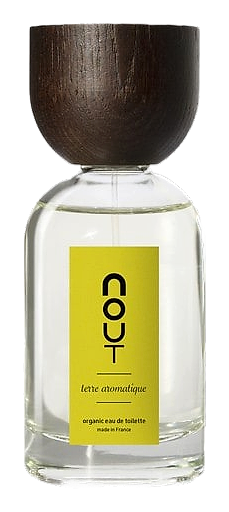
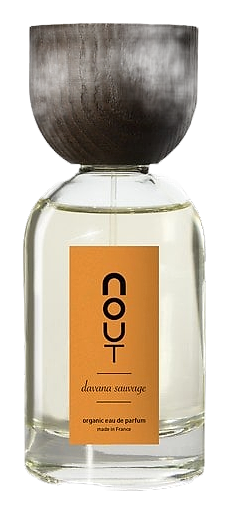
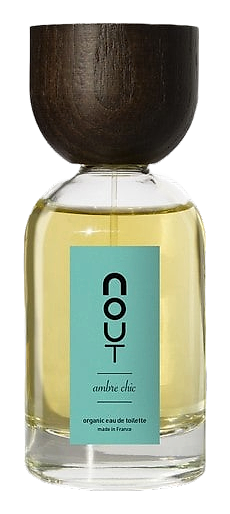
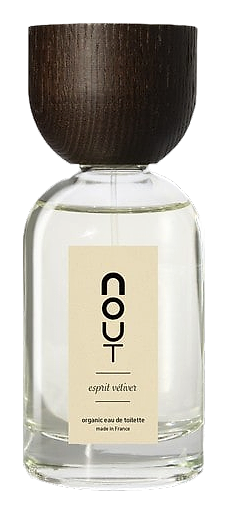
NoutNout is a French fragrance house that draws its identity from the Egyptian goddess Nout, the sky deity from ancient Egyptian mythology. Founded in 2015, the brand positions itself around natural and organic certification, producing its perfumes in Grasse, the historic center of French perfumery. The house focuses on formulas made entirely from natural origin ingredients, a commitment reflected in its Cosmécert certification. Its collection includes fragrances such as Davana Sauvage, Terre Aromatique, Pure Blanche, Ambre Chic, Esprit Vétiver, and Sel De Mer, all released in 2021. The brand's naming convention appears to draw from mythological and natural references, with ingredients like vetiver, amber, and sea salt informing the fragrance concepts. Nout represents a niche approach to perfumery, emphasizing ingredient transparency and certified natural origins rather than high production volume.
The Creator
Laure-Leta JacquetIn the lab, Laure‑Leta favors a palette that blends traditional French absolutes with modern synthetics. She often begins with a heart of white florals—jasmine, tuberose, or orange blossom—anchored by a subtle mineral base that recalls stone façades.