The Story
Why it exists.
The beginning
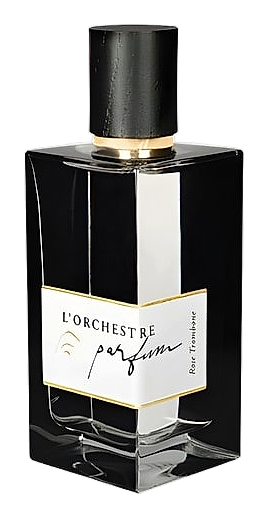
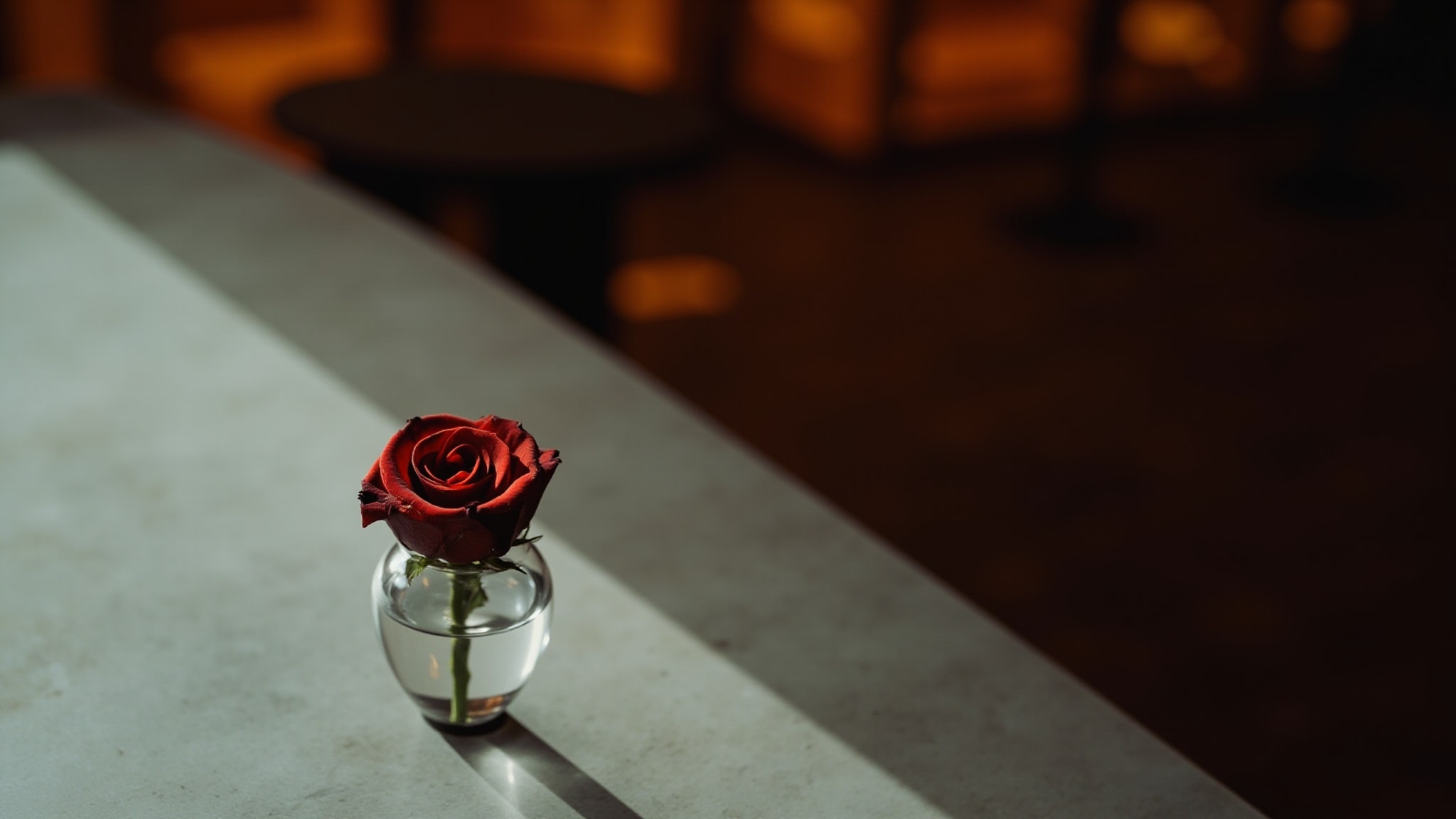
Rose Trombone was born from a single image: a jazz club in Harlem, the kind where the trombone player holds a note long enough to make everyone in the room forget their drink exists. Anne-Sophie Behaghel and Amélie Bourgeois were tasked with translating that moment into scent. The answer was an insolent rose, not the blushing, polite kind that behaves itself, but one that walks into the room and owns it. The brand's concept of pairing music with fragrance gave the perfumers a precise brief: sensual, clean, and aldehydic, with enough heat to feel like a late night.
What makes this composition unusual is the tension between its elements. Rose and aldehydes is a classic pairing, Chanel built an empire on it, but here it's grounded by rum and sandalwood, which pull it away from retro territory and into something that feels contemporary. The pear in the heart is the real surprise: watery, crisp, and just slightly sweet, it prevents the vanilla from becoming dessert and keeps the whole thing from settling into something predictable. The result is a rose that behaves badly but never loses its composure.
The evolution
The opening is all about the aldehydes. They hit first, bright and almost fizzy, lifting the rose into something that feels crystalline rather than heavy. For about thirty minutes, that's the show. Then the pear enters, not a loud arrival, more like a cool breeze cutting through the heat. The vanilla follows, slow and creamy, and suddenly you're two hours in and the rum is starting to show, warming everything underneath. By hour four, the rose has softened into something skin-close, the sandalwood adding a gentle creaminess that lingers. The sillage drops to something intimate, the kind of scent you catch yourself rather than something that announces itself across a room.
Cultural impact
Rose Trombone arrived in 2017 as part of L'Orchestre Parfum's debut collection, entering a fragrance landscape that was rapidly evolving beyond mainstream options. The brand's concept of translating musical compositions into scent captured a growing appetite for artistic, concept-driven fragrances that treated perfume as cultural expression rather than mere cosmetic product. The jazz club atmosphere it evoked resonated with the late 2010s cultural moment, where vintage aesthetics were experiencing renewed appreciation across design, fashion, and music. The aldehydic rose composition found its audience during a period when rose was being reconsidered in niche perfumery, not as a dated note, but as a sophisticated, complex foundation that could anchor modern creations.