The Heritage
The Story of L'Orchestre Parfum
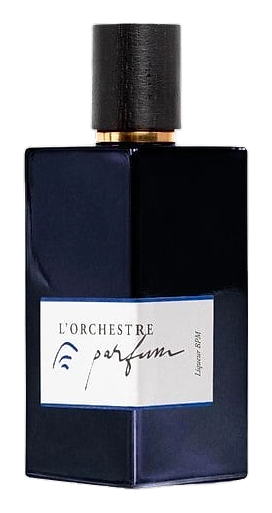
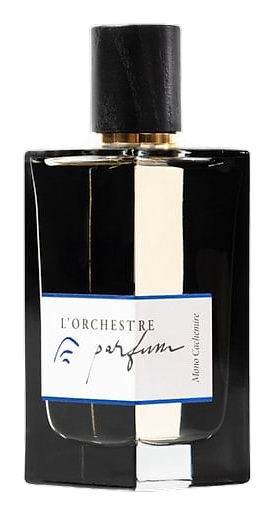
L'Orchestre Parfum translates the language of music into scent. Founded in France in 2017, the house pairs perfumers with musicians to compose fragrances that echo specific melodies. Each bottle carries a curated track, inviting the wearer to experience scent and sound together. The line is built on a vegan formula that uses French beet alcohol, positioning the brand at the intersection of responsible craft and artistic expression.
Heritage
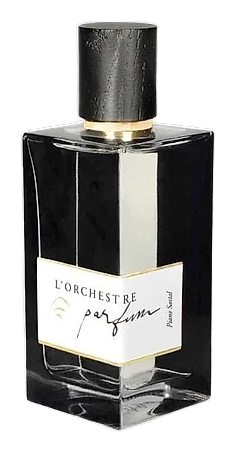
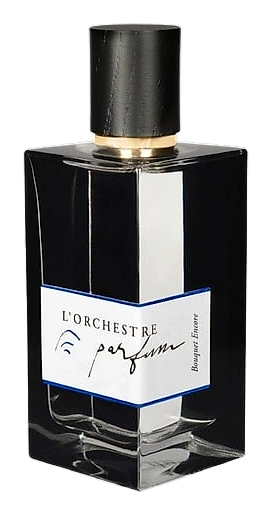
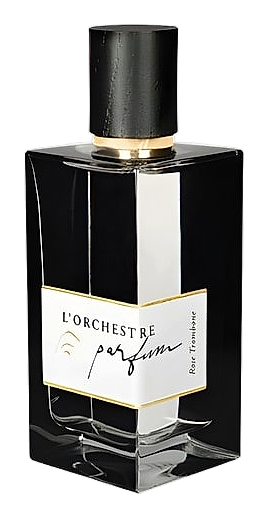
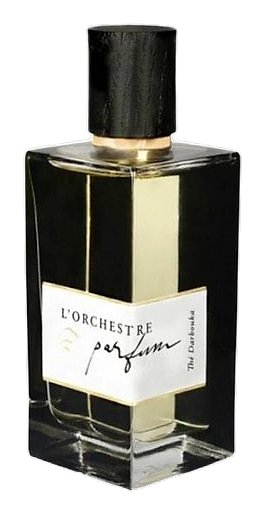
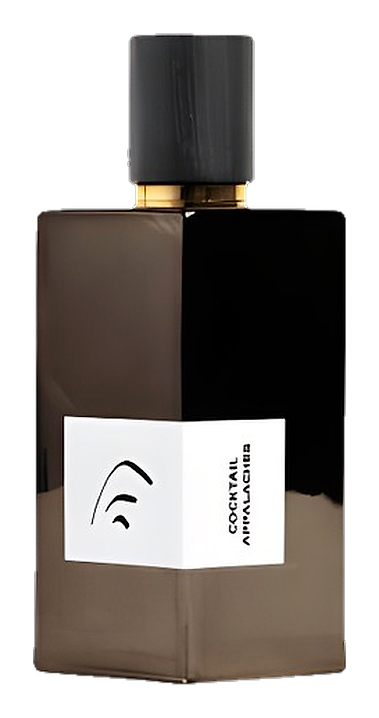
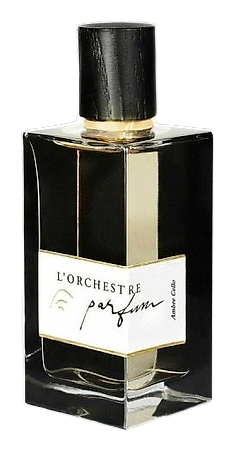
The story of L'Orchestre Parfum began when Pierre Guguen, a trained musician with a lifelong fascination for fragrance, decided to merge his two passions. In 2017 he launched the brand in Paris, announcing a concept that would treat perfume as a performance. Early releases such as Rose Trombone and Thé Darbouka arrived the same year, each accompanied by a bespoke musical piece composed by collaborating artists. By 2019 the collection expanded with Piano Santal, a scent inspired by the timbre of a grand piano, and the brand secured a modest following among niche‑fragrance enthusiasts. 2020 saw the debut of Bouquet Encore, a floral composition that referenced the encore of a concert, while 2021 added Ambre Cello, a warm amber that mirrors the resonant tones of a cello solo. The house continued to explore genre crossovers with Vétiver Overdrive in 2022, a woody ode to electronic beats, and most recently released Cocktail Appalaches in 2024, a spirited blend that pairs Appalachian folk music with a cocktail‑inspired aroma. Throughout its first decade L'Orchestre Parfum has maintained a small‑batch production model, sourcing ingredients from French farms and keeping the creative process in‑house. The brand’s evolution reflects a steady commitment to marrying auditory and olfactory art, rather than chasing market trends.
Craftsmanship
Production at L'Orchestre Parfum follows a tightly controlled workflow that begins with a musical brief. Once a composition is selected, a perfumer drafts a scent palette that mirrors the piece’s tonal qualities. Ingredients are sourced primarily from French farms that meet organic or low‑intervention standards. The base of every fragrance is a natural alcohol derived from sugar beet juice, a process that reduces reliance on grain alcohol and aligns with the brand’s vegan stance. Distillation takes place in a small Parisian facility where temperature and humidity are monitored to preserve the integrity of delicate notes such as neroli or sandalwood. After blending, the perfume is left to mature for several weeks, allowing the aromatic molecules to harmonize. Quality control includes blind testing by both perfumers and musicians to ensure the scent resonates with the intended musical theme. Bottles are filled by hand, sealed with a cork that echoes the wooden finish of a violin, and each batch is assigned a limited serial number. The final product is packaged with a QR code that links to the accompanying track, completing the sensory loop.
Design Language
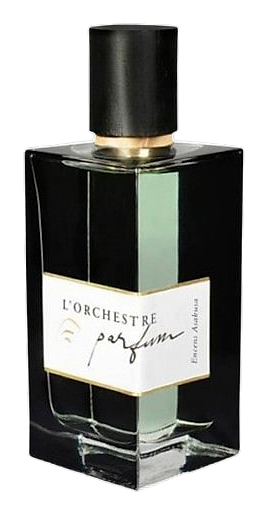
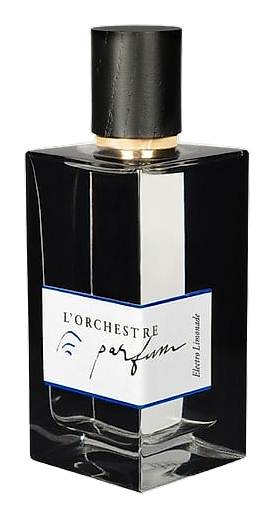
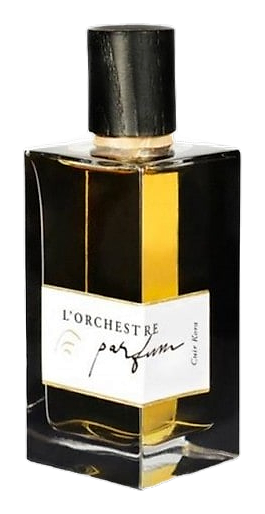
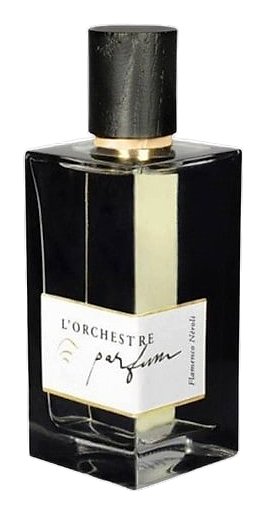
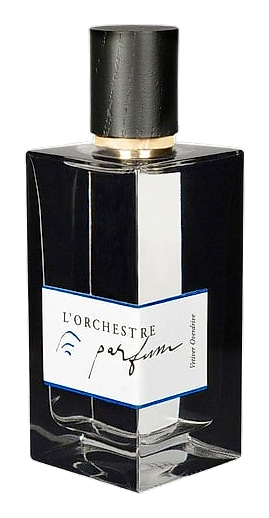
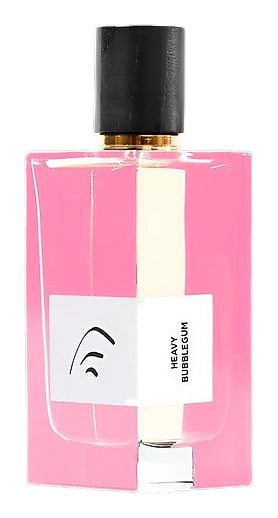
Visually, L'Orchestre Parfum adopts a minimalist palette that lets the music‑inspired concept shine. Bottles are clear glass with slender, matte‑black caps reminiscent of a conductor’s baton. The label features a simple staff line motif, and the brand name appears in a clean sans‑serif typeface that suggests modernity without excess. Each edition includes a small booklet that displays the sheet music for the partnered track, reinforcing the link between scent and sound. Packaging boxes are printed on recycled paper with subtle embossing of musical symbols, creating a tactile experience that mirrors the auditory focus of the brand. The overall image is understated yet purposeful, reflecting a belief that elegance arises from thoughtful detail rather than overt ornamentation.
Philosophy
L'Orchestre Parfum views fragrance as a narrative that can be heard as well as smelled. The creative brief for each perfume starts with a musical genre or specific composition; perfumers then translate the rhythm, tempo and mood into aromatic notes. The house emphasizes responsibility: all formulas are 100 % vegan and rely on a natural French beet alcohol instead of traditional grain‑based spirits. Sustainability informs ingredient sourcing; botanical extracts are obtained from certified French growers who practice low‑pesticide agriculture. The brand also values collaboration, inviting musicians from diverse backgrounds to contribute tracks that are released alongside the scent. This approach positions each launch as a multisensory event, encouraging consumers to listen to the perfume as they would a piece of music, and to consider how scent can evoke memory and emotion in a similar way to sound.
Key Milestones
2017
L'Orchestre Parfum founded by Pierre Guguen in Paris; launch of Rose Trombone and Thé Darbouka.
2019
Release of Piano Santal, the first fragrance directly inspired by a specific instrument.
2020
Bouquet Encore introduced, paired with a classical encore composition.
2021
Ambre Cello launched, expanding the line into warm amber accords.
2022
Vétiver Overdrive released, marking the brand’s entry into woody, electronic‑inspired scents.
2024
Cocktail Appalaches debuted, a limited edition that couples Appalachian folk music with a cocktail‑style fragrance.
At a Glance
Brand profile snapshot
Origin
France
Founded
2017
Heritage
9
Years active
Collection
2
Fragrances released
Avg Rating
4.0
Community sentiment
Release Rhythm


