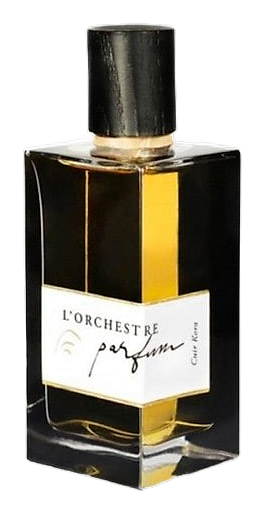

The Story
Why it exists.
The beginning
The kora is a 21-string West African lute, played here by musician Sheikh Diallo. The instrument produces a sound unlike any other, strings stretched across a hide soundboard, resonating like breath, like rainfall on dry earth. That's what Anne-Sophie Behaghel and Amelie Bourgeois translated into Cuir Kora. Mango's tropical sweetness against leather's sun-baked character. Spice that shimmers like heat rising off sand. The mirage. And it works precisely because it's both wet and dry at once, lush fruit, arid air, the contradiction that makes the whole composition click.
Leather and mango shouldn't pair. One is dry, animalic, close to skin. The other is sticky-sweet, bright, almost tropical. Cuir Kora makes them coexist anyway, and makes it look easy. The cardamom opens sharp and green, giving the mango and plum something to push against. Elemi adds a spark of resin that keeps the top alive, prevents it from settling into sweetness too quickly. The heart belongs to leather, but it's leather worn close, not performed. Saffron gives it a honeyed warmth. Labdanum adds that resinous, almost sacred richness. What surprises is how long the mango lingers, its sweetness threaded through the heart, keeping the leather from becoming austere.
The evolution
The opening doesn't announce itself so much as it settles in. Mango, plum, a quick flash of cardamom. Within twenty minutes the leather arrives, not fanfare, just presence. Saffron deepens the warmth. The labdanum adds a faintly balsamic edge that keeps things resinous. By hour three the benzoin and palisander rosewood take over: warm, honeyed woods, soft and close. The patchouli grounds the sweetness without killing it. What the drydown reveals is why this lasts. The mango fades. The leather holds. Benzoin and palisander outlast everything, the drydown is long, animalic, close. On fabric the next day: warm resin, honeyed wood. Still there.
Cultural impact
Cuir Kora enters a fragrance landscape where leather compositions have traditionally leaned toward masculine or heritage categories. By placing mango at the opening alongside cardamom, L'Orchestre Parfum reframes leather as a canvas for tropical sweetness rather than strictly smoky or animalic associations. This positioning challenges fragrance wearers to reconsider what leather can smell like in contemporary contexts, opening space for gender-fluid interpretations and fruity-spicy hybrid compositions in the niche market.
The House
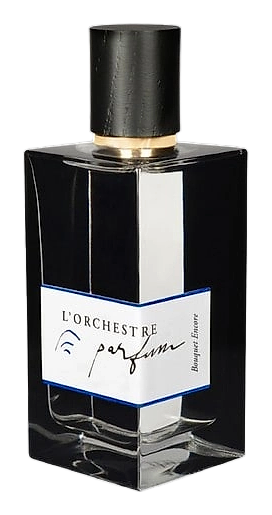
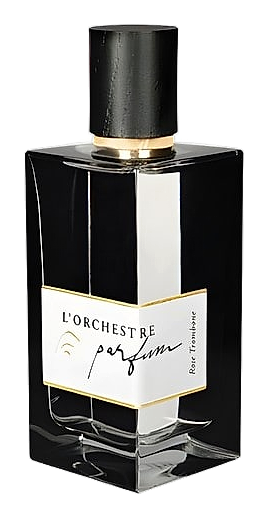
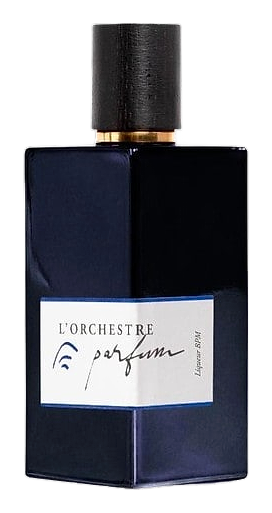
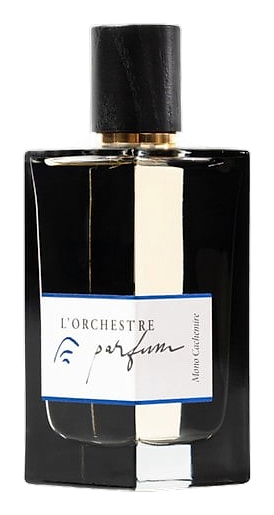
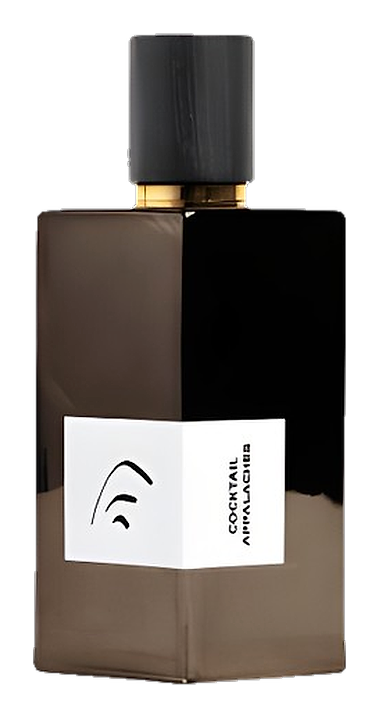
L'Orchestre ParfumL'Orchestre Parfum translates the language of music into scent. Founded in France in 2017, the house pairs perfumers with musicians to compose fragrances that echo specific melodies. Each bottle carries a curated track, inviting the wearer to experience scent and sound together. The line is built on a vegan formula that uses French beet alcohol, positioning the brand at the intersection of responsible craft and artistic expression.
The Creator
Anne‑Sophie Behaghel & Amelie BourgeoisHer style sits at the intersection of warmth and edge. She favors gourmand notes, resinous woods, and ambery facets, often combining them in ways that feel both inviting and slightly unsettled.