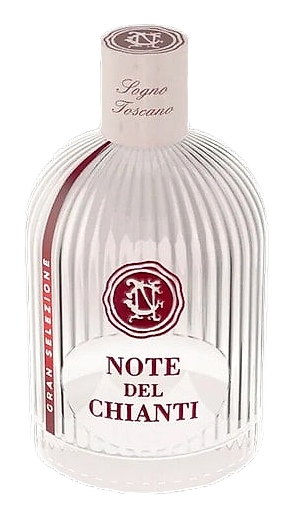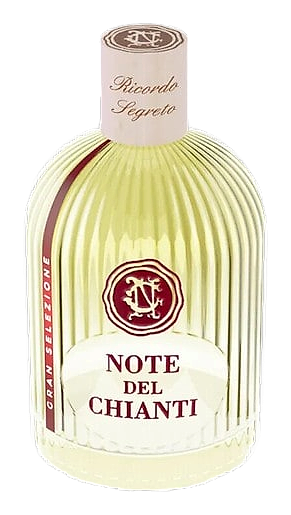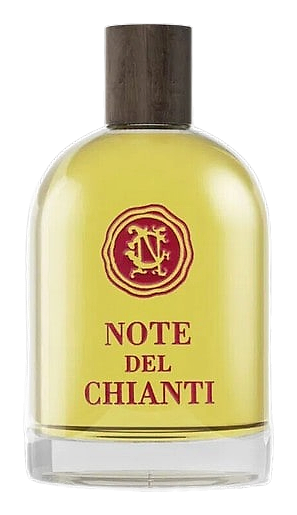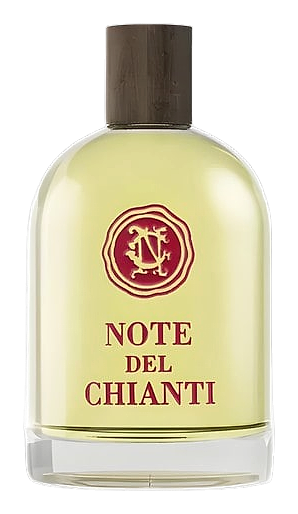

The Story
Why it exists.
The beginning
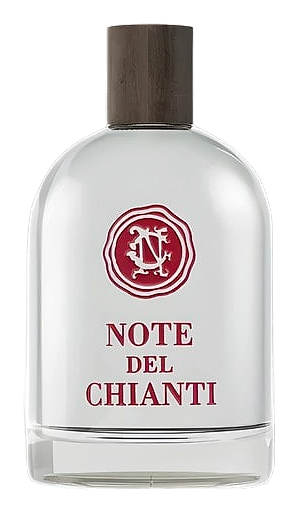
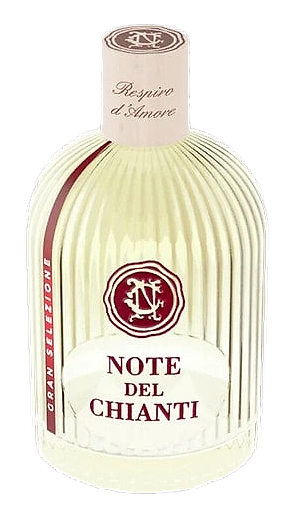
Toscano Intenso opens with a streak of brightness that feels borrowed from a late-summer orchard: green apple and lime crack the surface, each one sharp enough to hold its own against the saffron threading underneath. That saffron does not behave like the usual saffron in fragrances of this type; it stays low and dry, closer to the warmth of a tile floor at the end of a hot afternoon than to any sweet, honeyed spice. The composition is built for a reader who already knows what an apple-saffron accord can do and wants to see what happens when the dose is pushed, when the edges are sharpened rather than softened. The effect is something between a fruit bowl and an incense drawer, held taut by a citrus note that refuses to sweeten.
What separates Toscano Intenso from a standard woody-fruity oriental is the placement of fir balsam and oakmoss at the heart, with rose geranium and frankincense tucked into the same register rather than stacked separately. That combination pulls the composition toward something almost cathedral-like, a resin-lit stillness rather than a sweet stroll through vineyards. The base then grounds that lift with patchouli, sandalwood, benzoin, and vetiver, adding the dust of a dry path through pine woods.
The evolution
The opening is a green flash. Apple and lime hit with the acidity of a chilled glass of something not yet poured, and saffron threads through everything like a low ember in a closed room. In the early stretch, the saffron loses its initial sharpness and the fir balsam surfaces, followed quickly by oakmoss and frankincense, which give the composition an almost stone-walled weight. The rose geranium stays subtle, more a structural undertone than a floral statement, holding the fir and oakmoss in place while the incense burns slowly behind them. As the hours pass, the fruity top notes have vanished entirely, replaced by a dense balsamic-warm medley of benzoin and patchouli.
Cultural impact
Toscano Intenso has carved out a recognizable place among Italian fragrances, in part because it resists the bright citrus-and-musk profile that dominates much of the domestic category. Wearers describe it as the scent of someone who has spent real time in central Italy, not someone passing through. The composition borrows from the woody-fruity oriental tradition but lands in a more contemplative register than many of its peers, with the fir balsam and frankincense heart giving it a weight the typical apple-saffron opening does not promise.