The Story
Why it exists.
The beginning
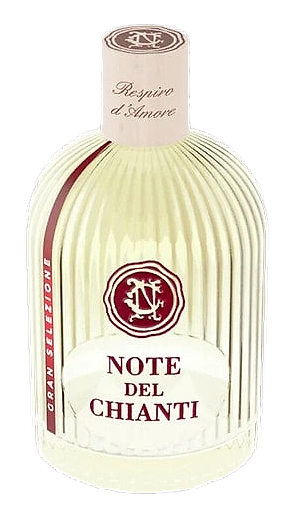
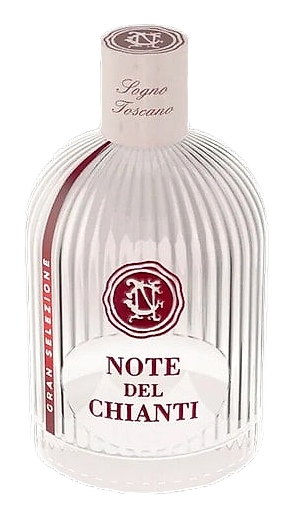
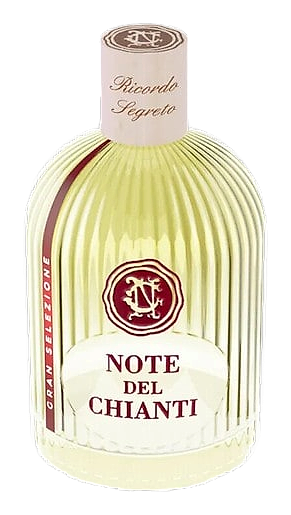
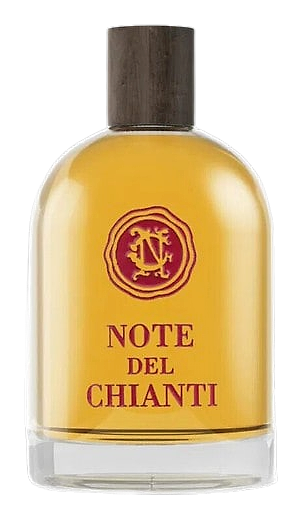
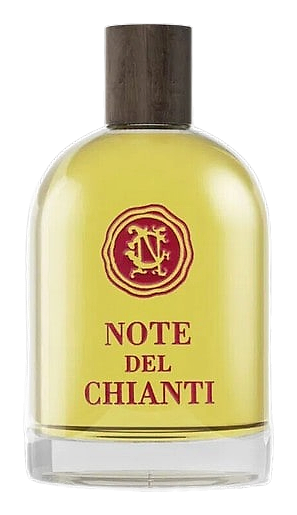
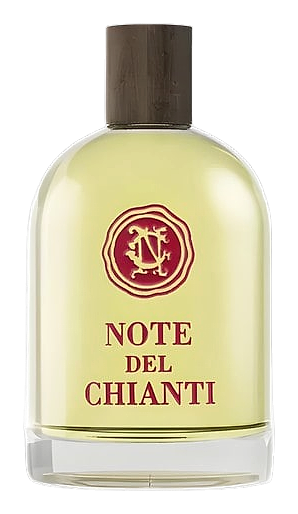
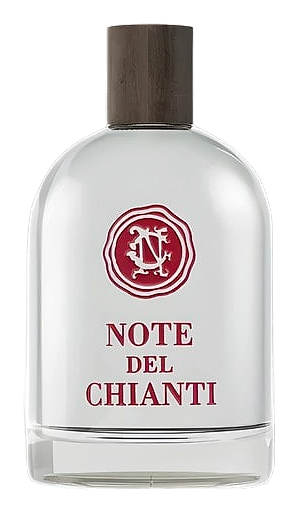
The year 1716 carries weight in Tuscany, known as the year of the creation of one of the world's most renowned wine designations, a legacy that has shaped Italian winemaking for centuries. Note del Chianti, the contemporary perfume atelier, named this composition after that date as a direct tribute to the territory from which it draws inspiration. The fragrance translates a specific sensory experience into something wearable, capturing the tactile memory of a working landscape. The fruit accord is rendered with unusual fidelity, staying true to the grape rather than smoothing it into something generic. The green note that opens the composition grounds the fruit in something botanical and alive, giving the entire structure a vegetal frame that keeps the sweetness from drifting.
What makes 1716 unusual is its honesty of intent. The composition stays committed to the grape throughout its architecture, refusing to pad the heart with sweeter base materials to extend wear. White grape brings a crisp, almost effervescent sweetness, a quality that reads as juicy rather than syrupy. Red fruits deepen the accord, giving it body and a slight tartness that prevents the white grape from becoming one-dimensional. The green note that opens the fragrance is not a generic floral leaf.
The evolution
The first fifteen minutes belong entirely to the green. Not a sharp green, not a cut-grass green, but something sweeter and rounder, an almost herbal density that signals vegetation rather than vegetation stripped of its life. It's there, present and dominant, then it recedes. What replaces it is a fruit accord that arrives almost all at once, white grape leading, red fruit following close behind. There's no slow build. It's a sudden fullness, the sensation of a cluster pressed close. This middle phase holds well into the afternoon, which is generous for a composition this light on paper. The musk doesn't crash the party. It simply quiets everything down. The fruit loses its edge, the green becomes a memory, and what remains is a clean, skin-close softness. Parfumo notes above-average longevity, and the drydown earns that rating through its clean restraint. Not a loud fragrance.
Cultural impact
1716 occupies a specific territory in contemporary perfumery, one where a place-inspired scent refuses to lean on heavy gourmand cues or sugary base notes to extend its wear. The composition stays structurally committed to its source materials, grape and green, without abstracting them into something unrecognizable. That restraint gives the scent a particular kind of clarity, the kind that reads as intentional rather than limited. Wearers who gravitate toward the fragrance tend to value accuracy over projection, preferring a scent that speaks specifically rather than loudly.