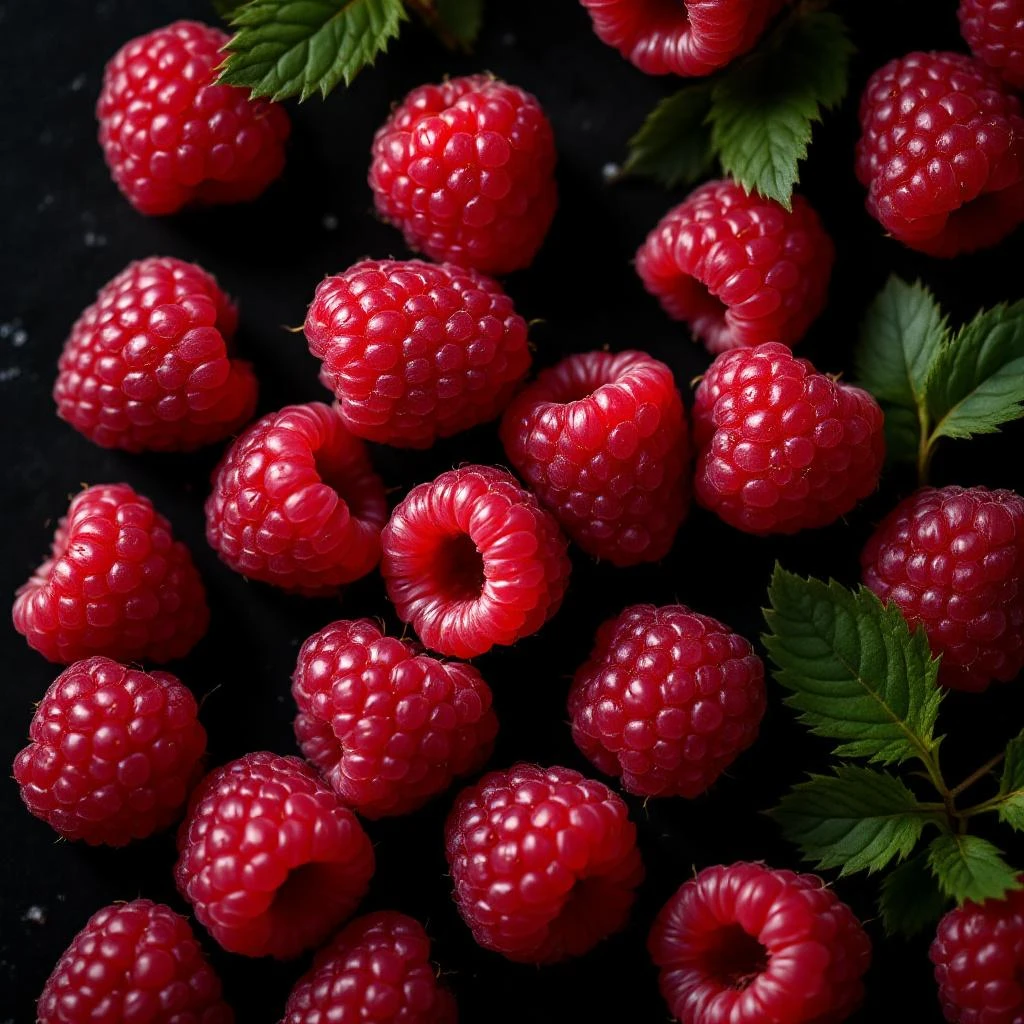
White Grape
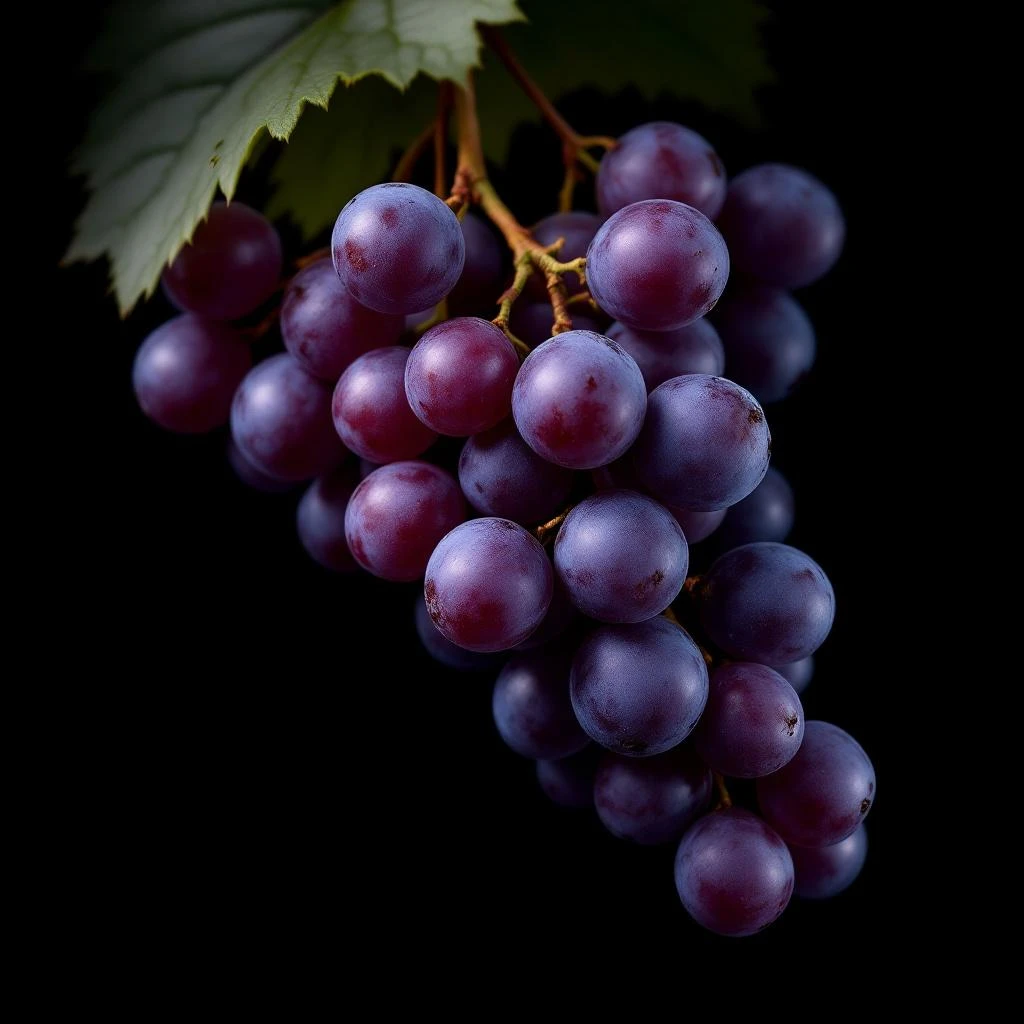
White Grape captures the crisp, sun‑kissed aroma of freshly harvested grapes, delivering a bright, juicy lift that recalls early morning vineyards and the first sip of chilled wine.
Character
How it smells
A fresh, vineyard‑bright note that lifts any blend.
White Grape aroma is often captured from grape skins using CO₂ extraction, preserving the fruit’s natural sugars without heat, a technique pioneered in the 1990s to keep the scent true to the vineyard.





Origin
France
Grape aromas have whispered through human culture for millennia. Ancient Greeks offered wine‑infused garlands to deities, while Roman banquet halls scented rooms with crushed grape skins.
In the 12th century, Arab alchemists refined distillation techniques that later allowed European artisans to isolate fruit essences. By the 19th century, perfumers experimented with grape must, but heat destroyed its bright profile.
The breakthrough arrived in the late 20th century when French labs introduced CO₂ extraction, capturing the true scent of white grapes without cooking the fruit. Today, White Grape appears in niche fragrances that celebrate terroir, echoing the historic link between scent and viticulture while offering a modern, clean fruit character.
Wears it best
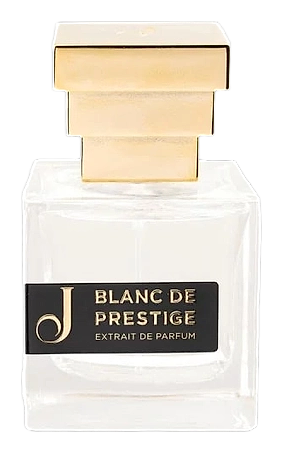
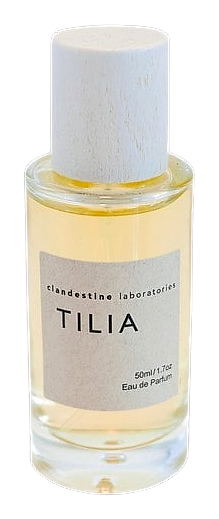
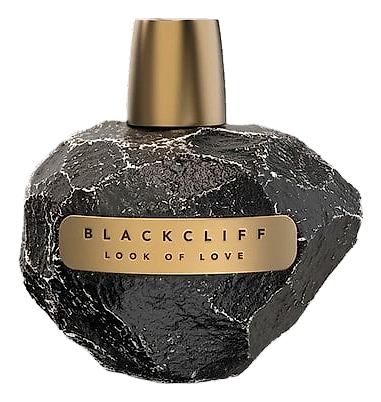
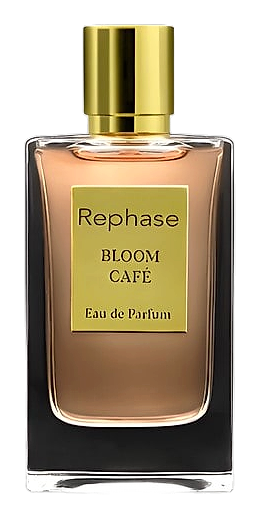
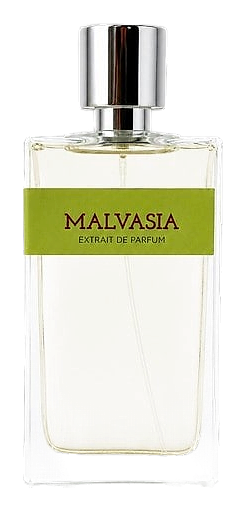
Fragrances featuring White Grape

Brands
Brands known for White Grape
Good to know
Questions, answered
The essentials on White Grape in perfumery: how it smells, where it comes from, and how it behaves on skin.
What does White Grape smell like?
White Grape offers a crisp, juicy scent that blends green‑apple freshness with subtle floral hints. A 2021 sensory panel recorded a dominant note of fresh grape skin followed by a faint citrus nuance.
How is White Grape extracted for perfumery?
Extractors use supercritical CO₂ to pull aroma from grape skins at low temperature. In 2020, a leading French house reported a 78 % yield of fragrant compounds using this method.
Is White Grape a natural or synthetic ingredient?
White Grape can be sourced naturally via CO₂ or solvent extraction, but many modern blends also use a synthetic analogue to ensure consistency. The synthetic version matches the natural aroma within a 5 % variance measured by gas chromatography.
Which perfume families commonly feature White Grape?
White Grape shines in fresh‑aquatic, fruity‑floral, and modern gourmand families. A 2019 market analysis showed a 12 % increase in new releases that paired White Grape with marine accords.
Does White Grape have any allergen concerns?
White Grape is generally low‑risk for skin irritation, and it is not listed on major allergen registers. In a 2022 dermatological study, only 0.3 % of participants reported mild sensitivity.
How stable is White Grape in a fragrance composition?
White Grape maintains its freshness for up to six months in ethanol‑based blends when stored away from light. Stability tests in 2021 showed a 4 % loss of top‑note intensity after 180 days.
Can White Grape be paired with other fruit notes?
White Grape blends smoothly with citrus, pear, and green apple, creating layered fruit bouquets. A 2018 formulation trial combined White Grape with bergamot, yielding a balanced opening noted by 87 % of evaluators.
Where are the best regions for sourcing White Grape aroma?
The Champagne region of France provides grapes with high acidity and clear aromatic profiles ideal for extraction. In 2020, vineyards there delivered a 15 % higher concentration of volatile esters compared with other French areas.