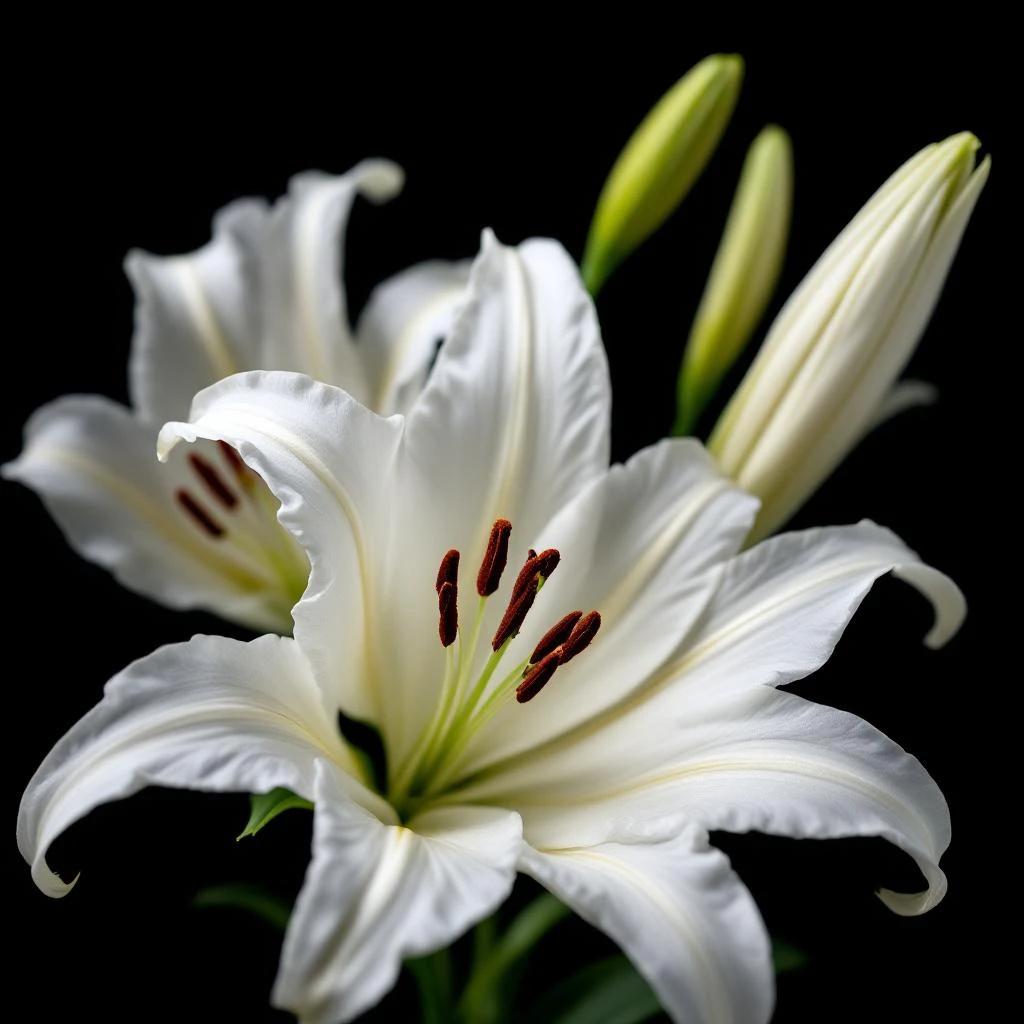
Grapeflower
Grapeflower brings a sparkling, modern freshness to fragrance. This citrus accord captures the bright, clean character of grapefruit blossom, creating a refreshing scent that energizes and uplifts.
Character
How it smells
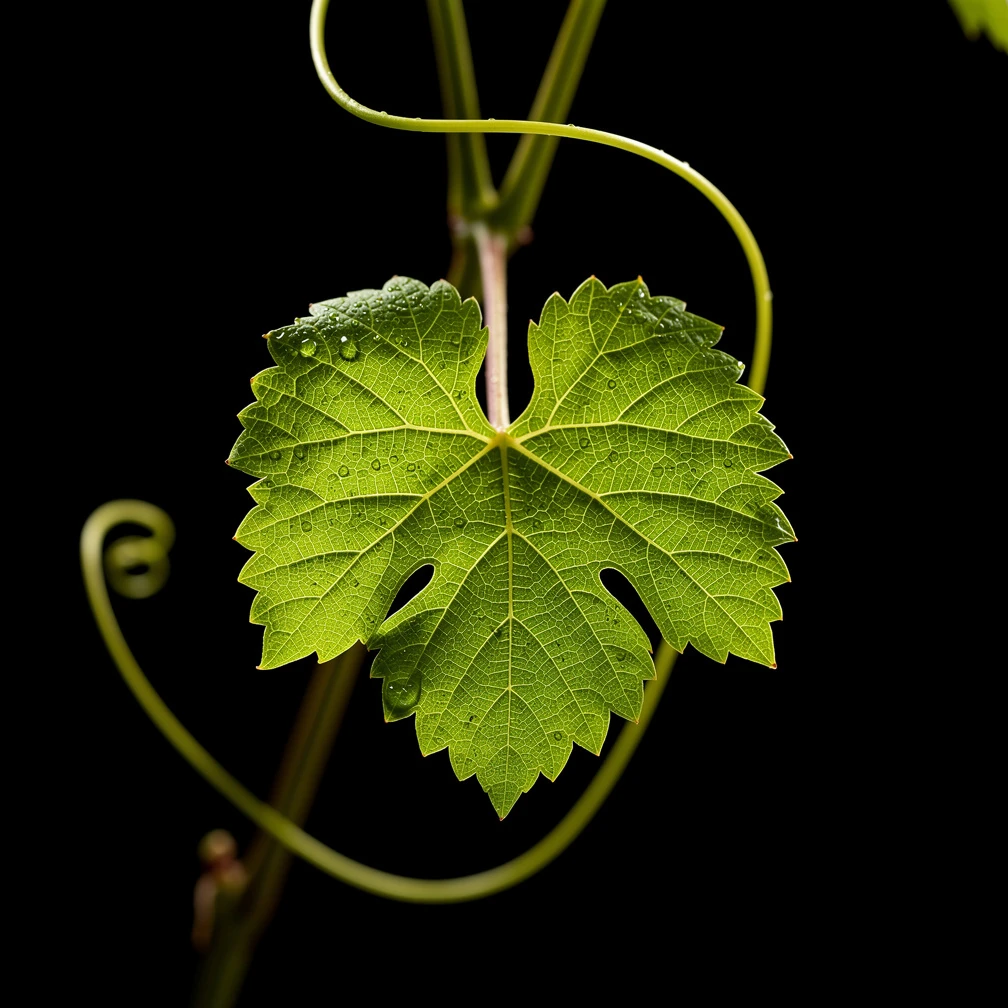
A burst of sunshine captured in scent
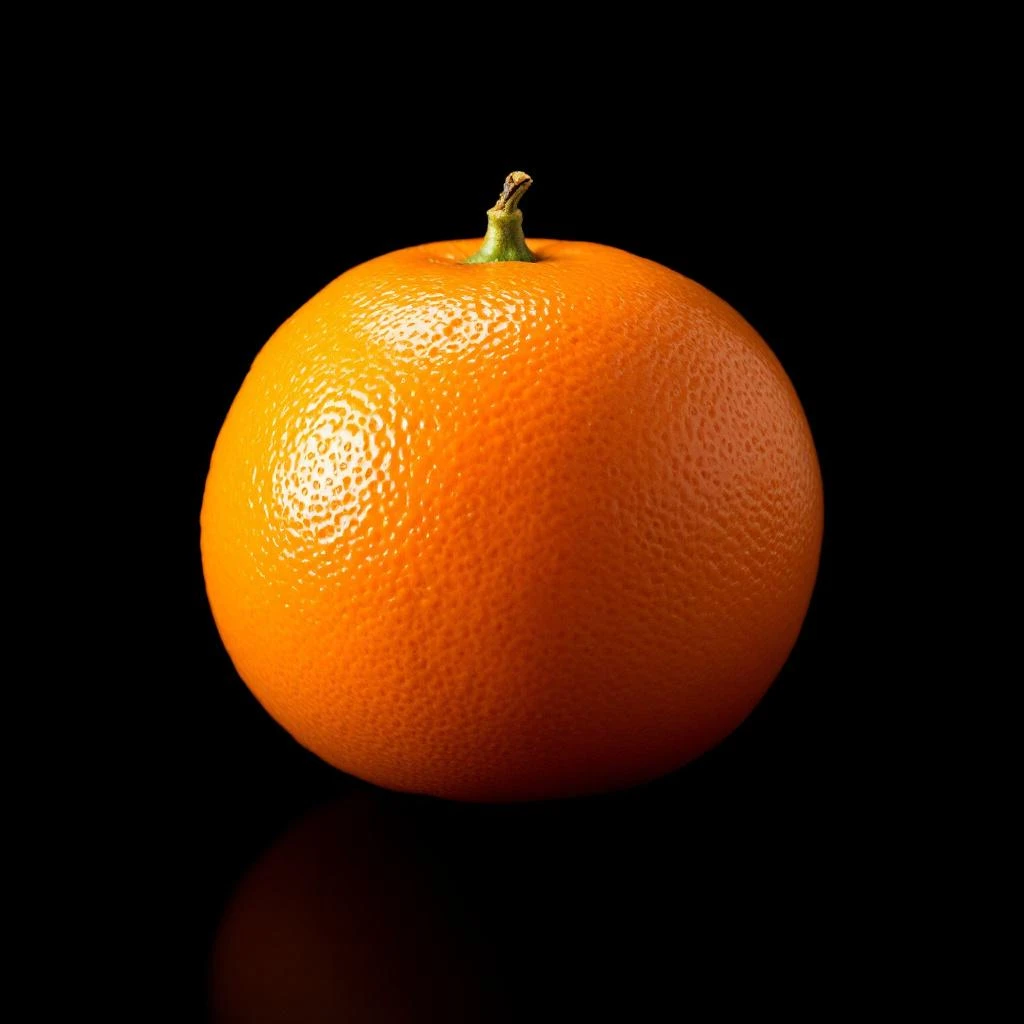
Grapefruit itself is a hybrid that emerged naturally in Barbados in the 1750s, created from crossing pomelo and sweet orange.
Origin
Barbados
Grapefruit first appeared in the 1750s on the island of Barbados, where it emerged as a natural hybrid between pomelo and sweet orange. The fruit spread to Florida by the 1820s and became commercially important by the early 20th century. While citrus has been used in perfumery since ancient Egypt, Grapeflower as a distinct fragrance material developed more recently.
Modern perfumers began isolating and reconstructing grapefruit's fresh, clean character in the late 20th century as consumer demand for bright, natural-smelling citrus scents grew. Today, Grapeflower represents the fragrance industry's ability to capture specific aromatic qualities and make them consistently available to perfumers worldwide.
Wears it best
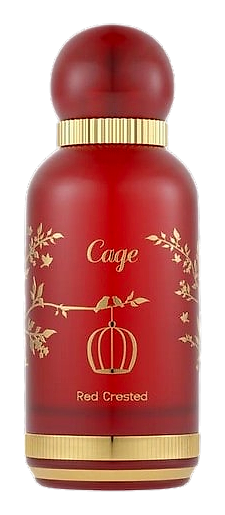
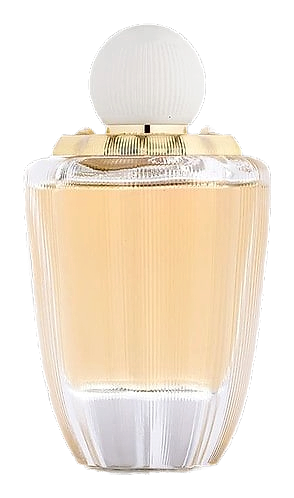
Fragrances featuring Grapeflower

Brands
Brands known for Grapeflower
Good to know
Questions, answered
The essentials on Grapeflower in perfumery: how it smells, where it comes from, and how it behaves on skin.
What exactly is Grapeflower in perfumery?
Grapeflower is a fragrance accord that captures the fresh, sparkling character of grapefruit blossom. It is typically reconstructed using natural citrus oils combined with synthetic aroma chemicals to achieve a consistent, nuanced profile.
What scent qualities does Grapeflower bring to a fragrance?
Grapeflower delivers bright, clean, and energizing citrus character with subtle floral undertones. It reads as清香且现代, making it popular in top notes for a fresh, uplifting effect.
Can Grapeflower replace natural grapefruit extract?
Yes. Grapeflower is specifically designed as a reliable alternative to raw grapefruit materials, offering consistent aroma qualities that resist the natural variation found in agricultural crops.
What fragrance types work well with Grapeflower?
Grapeflower suits modern citrus, chypre, and aquatic compositions. It pairs naturally with mint, white musk, and marine notes. Summer fragrances and lifestyle products frequently feature this note.
How long does Grapeflower last on the skin?
As a top-note material, Grapeflower provides strong initial impact but has moderate longevity. Formulators often pair it with longer-lasting base materials to extend its fresh impression.
Where did grapefruit originate?
Grapefruit emerged as a natural hybrid in Barbados around the 1750s, born from a cross between pomelo and sweet orange. Commercial cultivation expanded from Florida in the early 20th century.
How is Grapeflower extracted from grapefruit?
Natural Grapeflower comes from cold-pressing the fruit rinds, a mechanical process that extracts aromatic oils without heat. The resulting essence is then used as a building block in reconstructed accords.
What makes Grapeflower unique among citrus notes?
Grapeflower balances bright citrus with a subtle bitterness and faint floral character, distinguishing it from cleaner citrus materials like lemon or orange. This complexity gives fragrances a more sophisticated freshness.