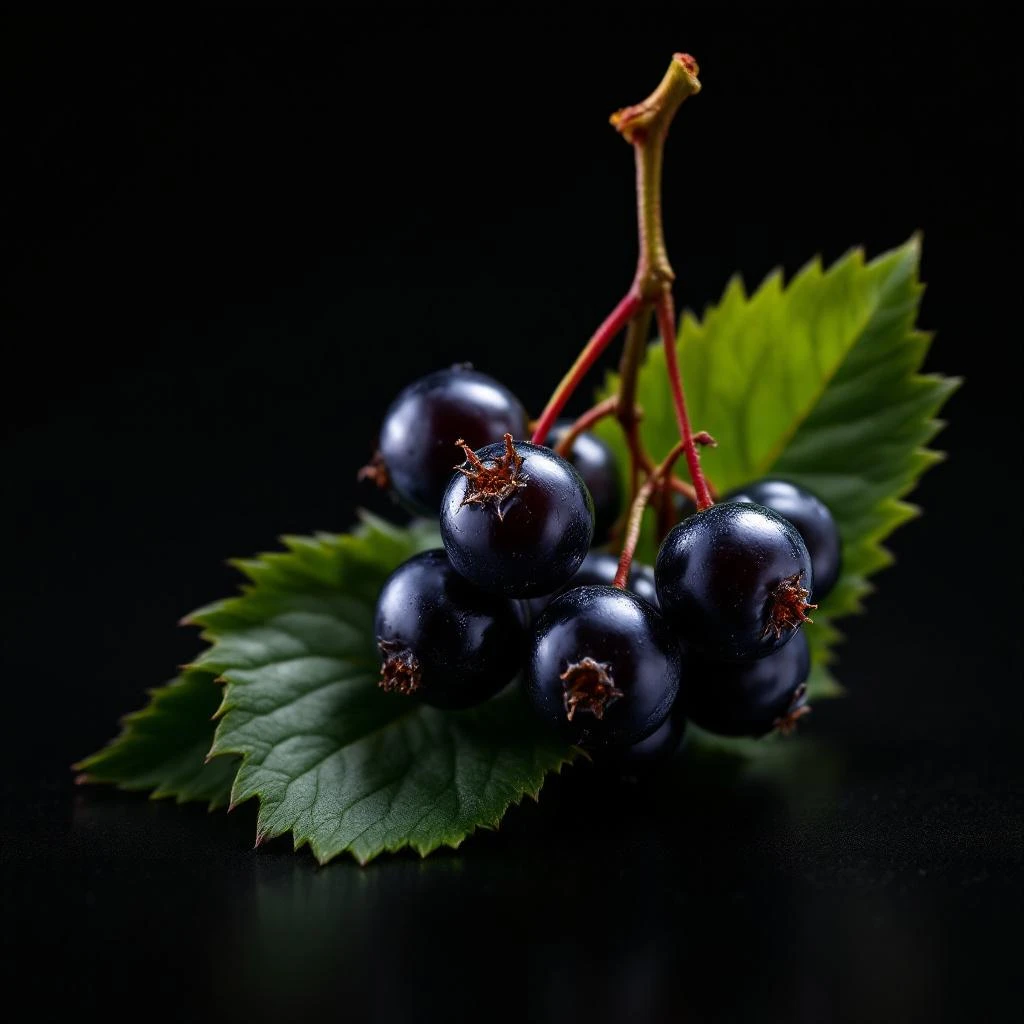
White Currant
A translucent berry note prized in fine perfumery for its clean, bright fruitiness. White currant adds a crisp, sparkling quality that lifts fragrance openings with rare clarity.
Character
How it smells
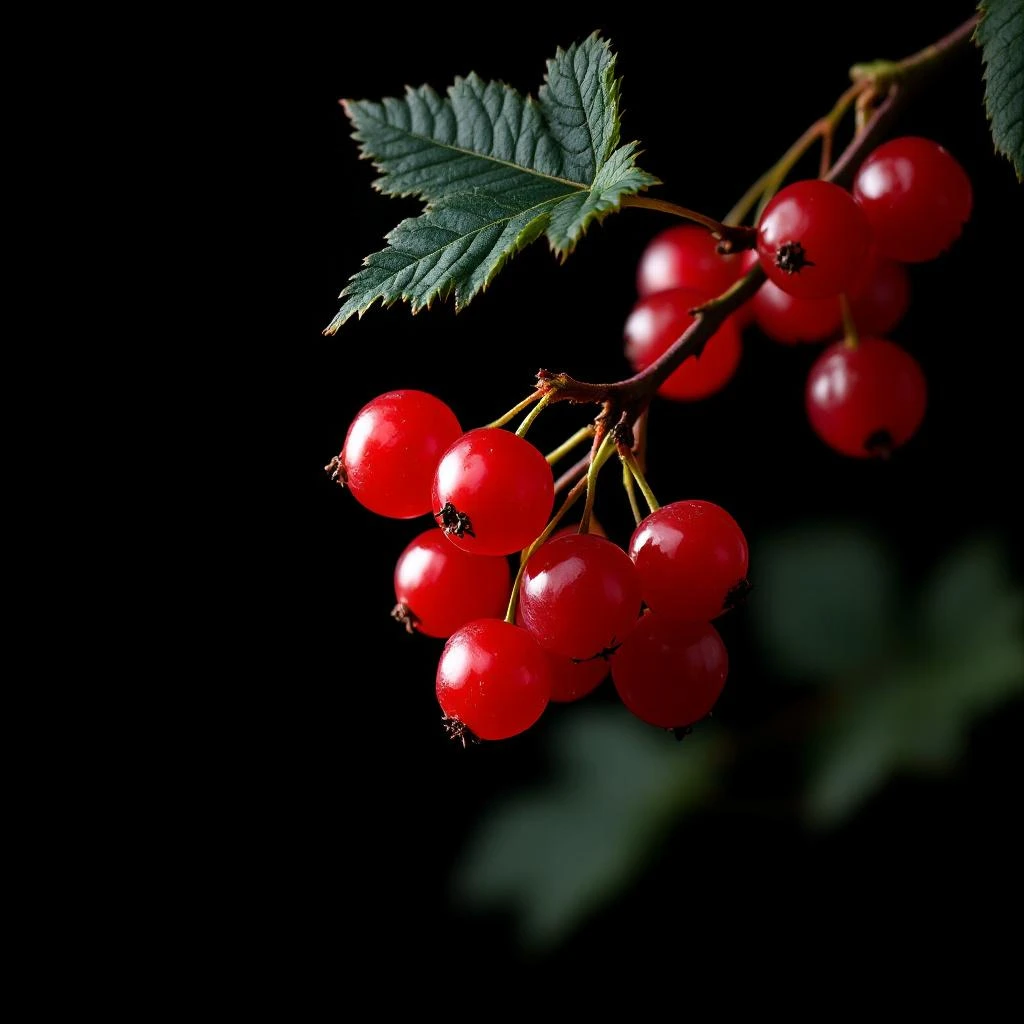
Bright, translucent fruit with crystalline sweetness
White currants were once reserved exclusively for French royal tables, prized for their pale, jewel-like appearance.








Origin
France
White currant emerged as a horticultural variant of red currant through centuries of cultivation and selection. The transparent, pale berries represent a natural color mutation, bred for their delicate appearance and milder flavor compared to their deeply colored cousins.
Unlike red and black currants, which have ancient documented histories in European medicinal and culinary traditions, white currant cultivation developed primarily from the 16th century onward as aristocratic gardeners sought increasingly refined and unusual varieties. The modern perfumery industry only began using white currant as a distinct ingredient in the late 20th century, following advances in analytical chemistry that identified the specific volatile compounds responsible for its fresh, fruity character.
This timing aligns with a broader trend in fragrance development where analytical techniques began revealing the precise molecular composition of natural fruit scents, enabling both more faithful natural extraction and sophisticated synthetic replication. White currant cultivation centers today include France, the Netherlands, and Belgium, with French production particularly significant for both the berries themselves and the analytical research that helped establish white currant as a recognized perfumery material.
Wears it best
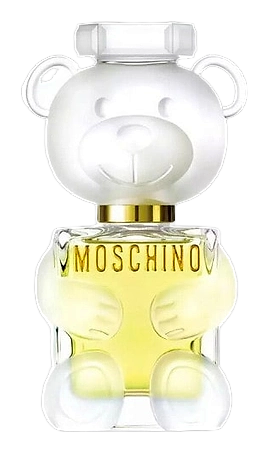
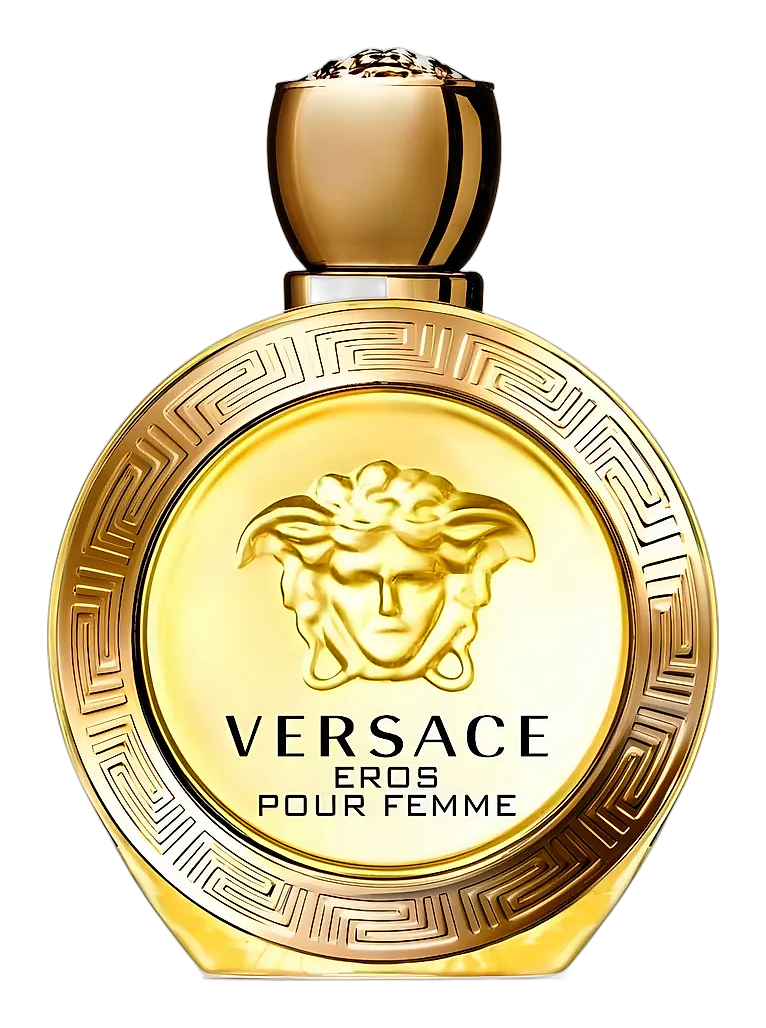
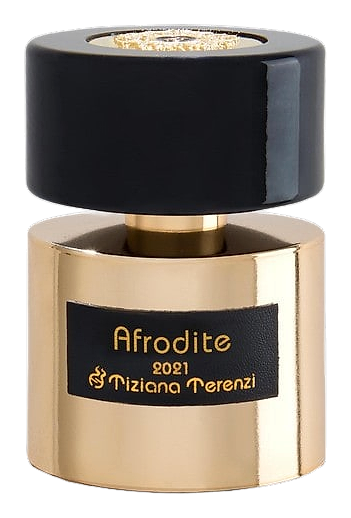
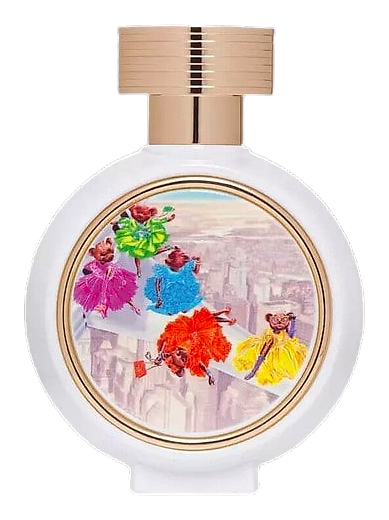
Fragrances featuring White Currant
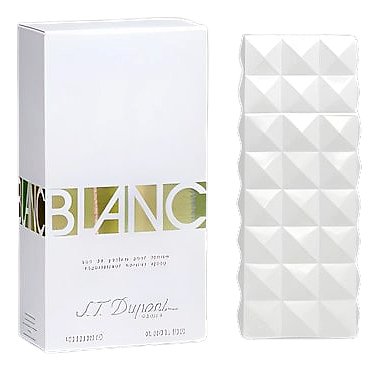
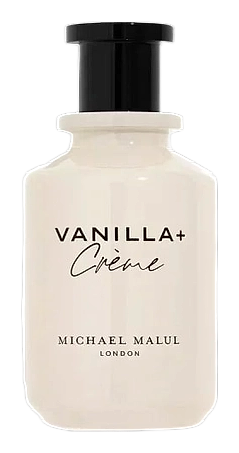
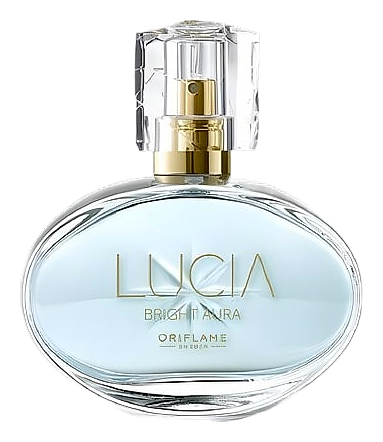
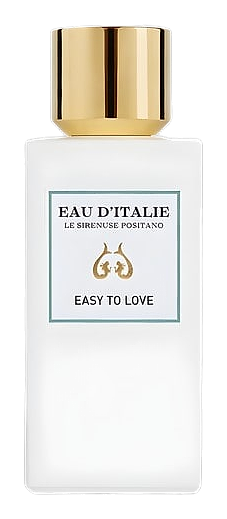



Brands
Brands known for White Currant
Good to know
Questions, answered
The essentials on White Currant in perfumery: how it smells, where it comes from, and how it behaves on skin.
What is white currant in perfumery?
White currant is a translucent berry ingredient used in fine perfumery for its bright, clean fruit character. It provides crisp, sparkling freshness that lifts fragrance openings.
How does white currant smell?
White currant smells sharp, translucent, and sweetly tart. It offers clean fruitiness with crystalline brightness, distinct from the deeper, jammy quality of black currant.
Is white currant natural or synthetic in perfume?
Both forms exist in commerce. Natural white currant absolute is rare and expensive. Most fragrances use nature-identical synthetics that replicate the fresh, fruity character reliably.
What fragrance families use white currant?
White currant appears primarily in modern fruity, chypre, and fresh fragrance families. It pairs naturally with florals like rose and jasmine, green notes, and citrus elements.
When was white currant introduced to perfumery?
White currant gained recognition as a distinct perfumery ingredient in the late 20th century, following analytical chemistry advances that identified its characteristic volatile compounds.
How is white currant absolute produced?
Producers use solvent extraction with food-grade solvents to capture aromatic compounds from fresh white currant berries. The solvent is then removed, leaving a concentrated absolute.
What makes white currant different from other currants?
White currant lacks the anthocyanin pigments that give red and black currants their deep color. This correlates with a milder, more delicate fruitiness in both the fresh berry and perfumery material.
Is white currant sustainable to source?
White currant cultivation requires specific temperate growing conditions. Commercial production remains limited, making responsibly sourced natural extracts relatively uncommon in the market.