The Story
Why it exists.
The beginning
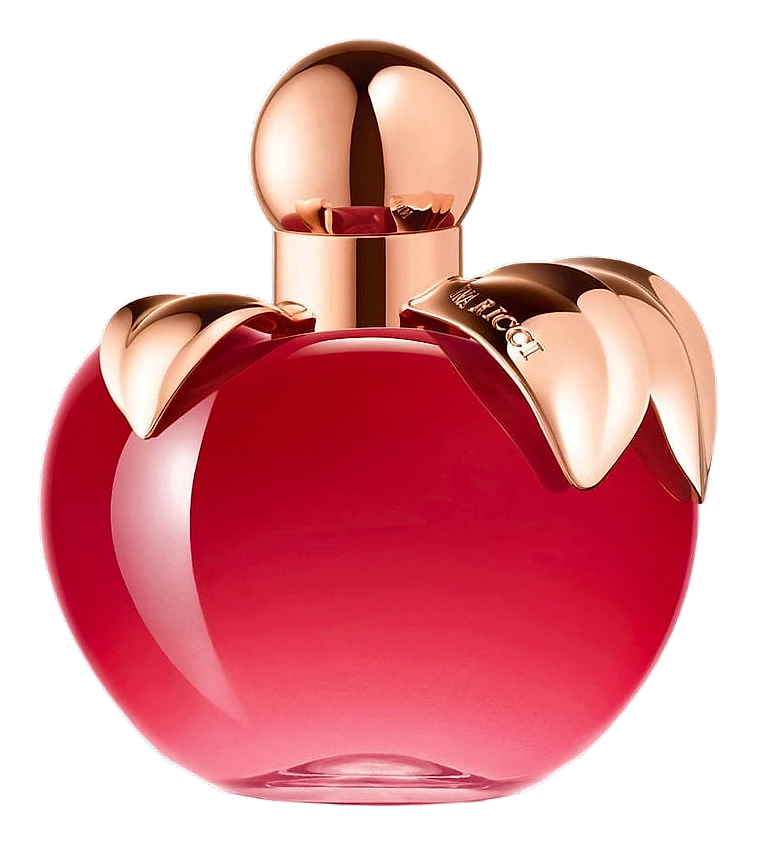
Love Fills L'Air du Temps arrived in 2004 as a new chapter written under an old name. Nina Ricci's house had been refining romantic femininity since 1932, first in couture, then in fragrance. L'Air du Temps had anchored that identity since 1948. This was something new, not a reprint. The name carried forward, but the composition spoke in early-2000s language, greener, crisper, with a citrus-herbal opening that felt modern without severing ties to the house's romantic core.
The note structure tells the story. Basil and bergamot open the fragrance with a crisp, almost savory quality, not sweet, not heavy. That's the statement. The heart blooms into a dense garden of lilac, freesia, peony, and carnation, layered with mimosa and rose. Powdery and romantic, yes, but never simple. The base of sandalwood, oakmoss, and patchouli grounds it in warmth. The word "Synthetic" appearing in the main accords isn't an insult here, it's the composition's quiet edge, the thing that keeps it from tipping into nostalgia.
The evolution
Basil and citrus announce themselves first, that herbal bite is the tell. Bergamot and lemon follow, bright and clean. Thirty minutes in, the florals take over: lilac and freesia rising through the carnation and peony. The powderiness builds quietly. By hour two, the heart settles into a warm garden of rose and mimosa, with violet and carnation adding texture underneath. The drydown is where it earns its keep, sandalwood and musk close to the skin, with oakmoss giving it a mossy, slightly dirty undertone that lingers. Patchouli keeps the whole thing grounded. On most skin, it lasts four to six hours. Close to the body, present but never loud.
Cultural impact
Love Fills L'Air du Temps arrived in 2004 as a contemporary companion to Nina Ricci's legendary 1948 fragrance. The house had long centered on romantic femininity expressed through refined florals. This flanker brought that sensibility forward, green, fresh, with an herbal edge that felt of its moment. Wearers gravitate toward it for its powdery florals with a difference, the basil sets it apart from safer florals in the same vein.